

Have you ever worked with someone who didn’t have the highest position in the room, but somehow everyone trusted them?
Maybe they were the person who stayed calm when a project suddenly went wrong. Maybe they listened when everyone else was busy talking. Or perhaps they Leadership were simply the kind of person who said, “Don’t worry, we’ll figure it out,” when everyone else was beginning to panic.
That is something interesting about leadership.
Real leadership doesn’t always announce itself.
It doesn’t always come with a fancy title, a big office, or a nameplate on a desk. Sometimes, leadership is found in very ordinary moments—a difficult conversation, a helpful suggestion, a quiet apology, or the decision to stand beside someone when things aren’t going well.
In my opinion, the best leaders make people feel stronger, not smaller.
They don’t spend every day proving that they’re in charge. Instead, they create an environment where people feel comfortable asking questions, sharing ideas, admitting mistakes, and trying again.
And here’s the good part: leadership isn’t something only a few naturally gifted people can have. It can be learned.
What Are Leadership Skills?

Leadership skills are the abilities that help you guide people, communicate effectively, solve problems, make decisions, and work toward a shared goal.
But leadership isn’t the same as simply telling people what to do.
Imagine you’re walking through a forest with a group of people. The leader isn’t necessarily the person who walks the fastest. A thoughtful leader looks around, notices the difficult parts of the path, checks whether someone has fallen behind, and helps the group keep moving.
That’s leadership in a simple picture.
A good leader understands the destination, but they also pay attention to the people taking the journey.
Some important leadership skills include:
| Leadership Skill | What It Helps You Do |
|---|---|
| Communication | Explain ideas and expectations clearly |
| Active Listening | Understand people instead of simply responding |
| Empathy | Recognize what others may be feeling |
| Decision-Making | Move forward when choices are difficult |
| Problem-Solving | Find practical answers to challenges |
| Delegation | Give others responsibility and opportunities |
| Adaptability | Respond calmly when plans change |
| Accountability | Take responsibility for your actions |
| Motivation | Encourage people to keep moving forward |
| Self-Awareness | Understand your own strengths and weaknesses |
You don’t need to become excellent at all of these tomorrow.
Leadership grows through practice, much like a tree grows—slowly, quietly, and one season at a time.
Why Does Good Leadership Matter?
Think about the difference between two managers facing the same problem.
The first manager immediately starts asking:
“Whose fault is this?”
The second manager says:
“Okay, something went wrong. Let’s understand what happened first.”
Notice the difference.
The problem is still there, but the second approach gives people space to think instead of making them afraid.
Good leadership changes how people respond to pressure.
A strong leader can help create:
- Better teamwork
- Greater trust
- Clearer communication
- More confidence
- Better problem-solving
- Stronger accountability
- More creativity
- Healthier working relationships
One small observation I’ve always found interesting is that people often remember how a leader made them feel more than the exact words they used.
They may forget the details of a meeting, but they remember being respected—or embarrassed.
That’s why leadership has such a human side.
Communication Is the Heart of Leadership

A leader can have a brilliant plan, but if nobody understands the plan, it’s not going very far.
Clear communication prevents unnecessary confusion.
Imagine an employee makes a mistake.
You could say:
“You weren’t paying attention.”
Or you could ask:
“Let’s see what happened. Was anything unclear?”
The second approach doesn’t ignore the mistake. It simply leaves room for understanding.
Maybe the instructions were confusing.
Maybe the deadline changed.
Maybe the employee misunderstood something.
Good leaders try to understand before they judge.
And communication isn’t only about speaking.
Sometimes the most powerful leadership skill is simply being quiet and listening.
Listen to Understand, Not Just to Reply
Here’s a simple experiment.
The next time someone is explaining a problem to you, try not to prepare your answer while they’re speaking.
Actually listen.
If someone says:
“I’m struggling with this project.”
Don’t immediately say:
“You need to manage your time better.”
Instead, ask:
“What part is becoming difficult?”
That one question could uncover the real problem.
Maybe they’re handling too many tasks.
Maybe another team isn’t responding.
Maybe the project requirements keep changing.
Maybe they are afraid to ask for help.
Sometimes people don’t need advice first. They need understanding first.
A leader who listens creates a space where people can speak honestly.
And honest information helps leaders make better decisions.
Emotional Intelligence Makes Leadership Human
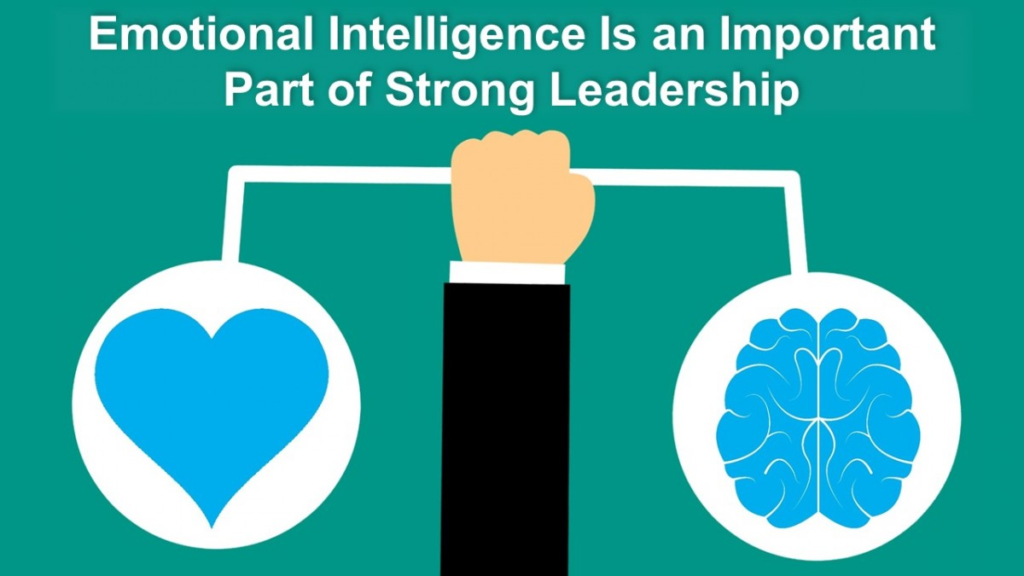
People bring emotions to work.
Of course they do.
We don’t leave our worries, excitement, tiredness, or frustration at the office door.
That’s why emotional intelligence matters.
A leader with emotional intelligence notices small changes.
Maybe someone who normally talks a lot has become quiet.
Maybe a team member who usually volunteers has stopped participating.
Maybe two people who normally work well together suddenly seem uncomfortable around each other.
You don’t have to investigate every little thing.
Sometimes simply asking:
“Everything okay?”
is enough.
That tiny question can tell someone, “I noticed you.”
And feeling noticed can mean a lot.
Learn to Make Decisions Even When You’re Unsure
Leadership would be easy if every decision came with a clear answer.
Unfortunately, real life rarely works that way.
Sometimes you have incomplete information.
Sometimes both options have risks.
Sometimes everyone has a different opinion.
And sometimes you simply have to decide.
A practical approach is:
- Understand the actual problem.
- Gather the important information.
- Consider your options.
- Think about the possible consequences.
- Listen to relevant people.
- Make the decision.
- Take responsibility for it.
You don’t need perfect certainty to make a thoughtful decision.
And don’t confuse endless thinking with good leadership.
There comes a moment when you have to stop staring at the road map and actually start walking.
Delegation Means Trusting People
New leaders often fall into the same trap.
They think:
“I’ll just do it myself. It’ll be quicker.”
Maybe it will.
But if you always do everything, your team never gets the chance to learn.
Delegation isn’t dumping work on someone. It’s giving someone an opportunity to contribute and grow.
Explain what needs to be done.
Explain why it matters.
Give them the resources they need.
Then give them room to work.
Think about a garden.
You don’t make a plant grow by pulling on its leaves.
You provide sunlight, water, healthy soil, and time.
People need something similar: support, opportunity, trust, and space.
Great Leaders Motivate Through Meaning
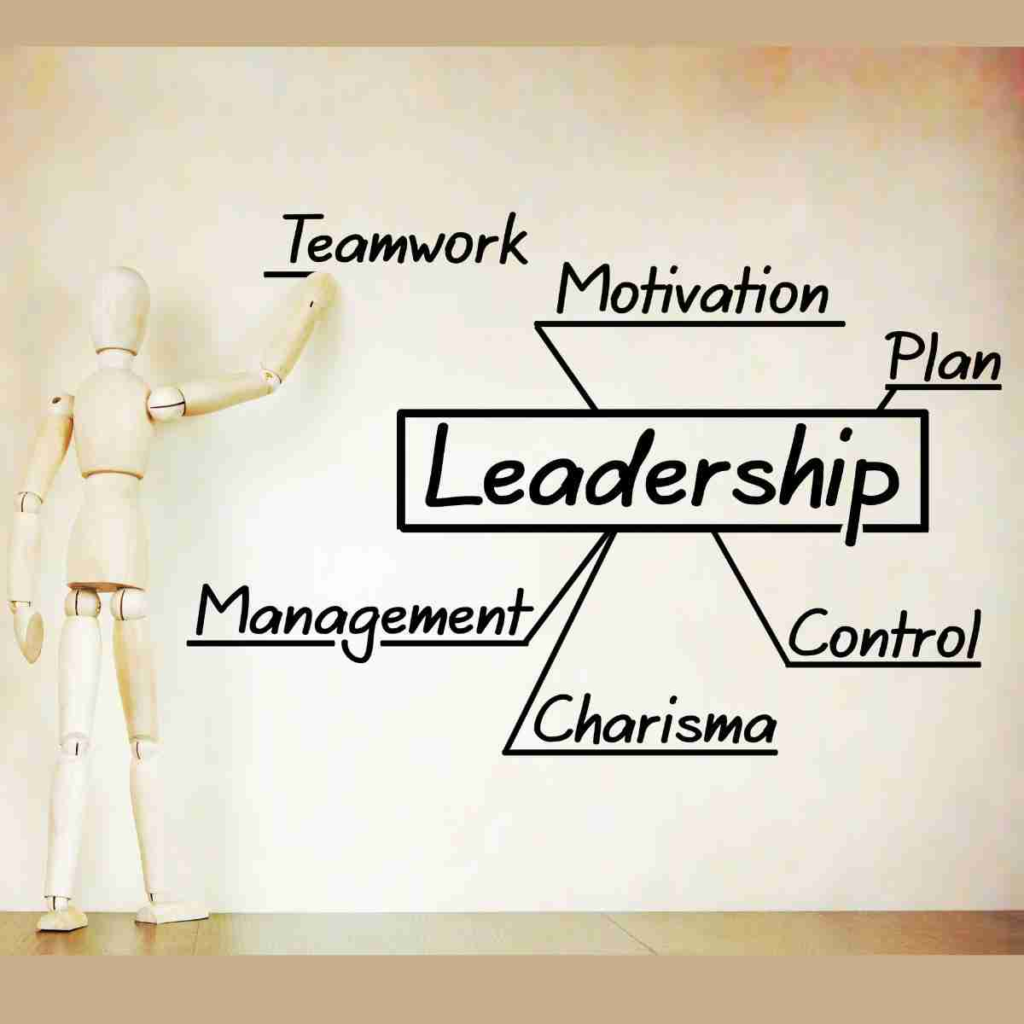
Money matters. Let’s be realistic.
But people also want recognition, respect, purpose, growth, and appreciation.
Compare:
“Good job.”
with:
“You handled that difficult customer really calmly. I noticed how you kept the conversation from becoming worse.”
The second feels more genuine because it is specific.
People want to know that their work isn’t disappearing into a black hole.
Notice people’s effort.
Sometimes a sincere sentence from a leader can stay with someone for days.
Lead by Example
You can’t expect people to behave differently from the way you behave yourself.
If you want punctuality, respect other people’s time.
If you want honesty, admit when you’re wrong.
If you want calmness, don’t create panic whenever something goes wrong.
Your behavior is one of your strongest leadership messages.
People watch what happens when things become difficult.
That’s when character becomes visible.
It’s easy to say, “We value teamwork.”
It’s much harder to share credit when your own name could have been highlighted.
But those are the moments people remember.
Learn to Handle Conflict
Conflict isn’t automatically a bad thing.
People disagree.
That’s normal.
The problem begins when disagreement turns into personal attacks, blame, silence, or resentment.
When conflict appears, try to understand the situation before choosing sides.
Ask:
“What happened?”
“What did each person understand?”
“What needs to change?”
Focus on the issue rather than someone’s personality.
| Avoid | Choose Instead |
|---|---|
| Blaming | Understanding |
| Shouting | Staying calm |
| Interrupting | Listening |
| Personal criticism | Problem-focused discussion |
| Ignoring conflict | Addressing it early |
| Assuming | Asking questions |
A difficult conversation today can prevent a much bigger problem later.
Adaptability Helps Leaders Survive Change

Change is part of life.
Businesses change.
Technology changes.
People change.
Plans change.
Sometimes a strategy you’ve worked on for months simply stops making sense.
A stubborn leader says:
“But this is how we’ve always done it.”
An adaptable leader asks:
“What have we learned, and what should we do differently?”
Nature teaches this beautifully.
A tree doesn’t argue with the wind.
It bends.
It adjusts.
It stays rooted.
Great leaders do something similar. They stay grounded in their values while remaining flexible in their approach.
Don’t Be Afraid to Admit Mistakes
Nobody gets leadership right every day.
You will make a poor decision sometimes.
You will misunderstand someone.
You may say something you wish you could take back.
It happens.
The real question is what you do afterward.
Instead of:
“It’s not my fault.”
Try:
“I could have handled that better. What can I learn from it?”
That takes humility.
And surprisingly, admitting a mistake can make people trust you more.
You don’t become weaker by admitting you’re wrong. You become more believable.
Build Trust One Small Action at a Time
Trust is rarely created by one huge gesture.
It grows through little things.
You keep your promise.
You show up when you said you would.
You give credit to someone else.
You don’t embarrass people publicly.
You keep private conversations private.
You tell the truth even when it’s uncomfortable.
Small actions become a reputation over time.
Trust is like a tree’s roots. You don’t see them growing, but they determine how strong the tree becomes when the storm arrives.
Start Practicing Leadership Every Day

You don’t need a management position to practice leadership.
Try these simple habits:
| Everyday Habit | Leadership Benefit |
|---|---|
| Ask before assuming | Reduces misunderstandings |
| Listen fully | Builds trust |
| Give specific appreciation | Improves motivation |
| Admit mistakes | Builds credibility |
| Delegate | Develops confidence |
| Ask for feedback | Builds self-awareness |
| Pause before reacting | Improves emotional control |
| Explain why something matters | Creates understanding |
| Give credit | Strengthens relationships |
| Reflect on your day | Encourages growth |
These things sound small.
They are small.
But leadership is often built from small things repeated consistently.
You don’t become a great leader during one impressive presentation.
You become one through hundreds of ordinary choices.
FAQ’S
1. What are the most important leadership skills?
The most important leadership skills include communication, active listening, emotional intelligence, decision-making, delegation, adaptability, problem-solving, and accountability. Great leaders also know how to build trust and help others grow.
2. What makes someone a great leader?
A great leader isn’t simply someone with a big title. Good leadership comes from trust, responsibility, empathy, and consistency. A great leader listens, communicates clearly, supports the team, and leads by example.
3. Can leadership skills be learned?
Yes. Leadership can be learned and improved with practice. You can develop leadership skills by taking responsibility, learning from mistakes, asking for feedback, listening to others, and handling real-world challenges.
4. Why is communication important in leadership?
Clear communication helps people understand what needs to be done, why it matters, and what is expected of them. Poor communication can create confusion, while honest and simple communication builds confidence.
5. What is emotional intelligence in leadership?
Emotional intelligence is the ability to understand and manage your own emotions while recognizing the feelings of others. It helps leaders respond thoughtfully instead of reacting emotionally.

Wearable Technology: Smart Devices Shaping the Future of Everyday Life
Technology has become something we carry everywhere. Our phones are in our pockets, laptops sit…

Transformative Biotech and Health Tech: Smart Innovations for Better Health
From smartwatches that count our steps to advanced laboratories studying genes and diseases, Biotechnology makes…

Business Planning & Strategy: From Idea to Business Growth
Starting a business often begins with a simple thought: “What if I turn this idea…

Proven Strategies to Boost Content Performance and Growth
Creating Content takes time. You choose a topic, write the article, Content make images, create…

The Ultimate Practical Guide to Personal Growth
Personal growth is not about becoming a completely different person. It is about understanding yourself…

How to Build a Creator Business and Make Money Online
Creating content online used to sound like something only famous Business YouTubers, influencers, or celebrities…

Self-Driving Cars: A Complete Guide to Autonomous Vehicles
Imagine getting into your car after a long day, entering your destination, and simply sitting…

How to Improve Communication Skills: Practical Tips for Better Conversations
Have you ever walked away from a conversation and thought, “That is not what I…