
Technology has become something we carry everywhere. Our phones are in our pockets, laptops sit on our desks, and now smart technology is becoming something we wear.From smartwatches and fitness trackers to smart rings, connected glasses, and health-monitoring devices, wearable technology has quietly become part of everyday life.What makes wearables interesting is not simply their small size. It is the way they can collect information, connect with other devices, and give us useful information without requiring us to constantly pick up a phone.The technology is becoming less noticeable while becoming more useful.
What Is Wearable Technology?
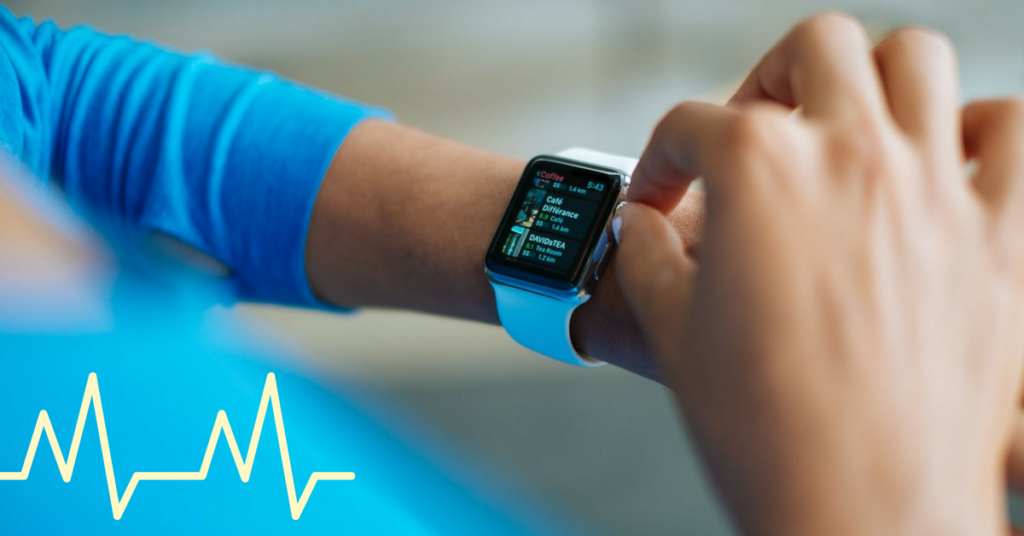
Wearable technology refers to electronic devices designed to be worn on the body. These devices can collect data, communicate with other devices, provide notifications, support health and fitness activities, or offer other digital functions.
Common examples include:
- Smartwatches
- Fitness trackers
- Smart rings
- Smart glasses
- Wireless health monitors
- Sports trackers
- Connected clothing
- Hearable devices
Some wearables are designed mainly for convenience, while others focus heavily on fitness, communication, entertainment, or health-related tracking.
The category continues to evolve as sensors become smaller and computing becomes more efficient.
Why Are Wearables Becoming So Popular?
One major reason is convenience.
Think about how often you check your phone during the day. A wearable can provide some information without requiring you to take your phone out of your pocket.
A smartwatch can show a message.
A fitness tracker can record a workout.
A smart ring can collect certain body-related measurements.
A pair of smart glasses may eventually provide information within your field of view.
Wearables bring technology closer to the moment when you actually need it.
They can also make information feel more personal because the device is connected to you throughout the day.
Smartwatches: More Than Just Timekeeping
Smartwatches are probably the most familiar form of wearable technology.
Modern smartwatches can combine several functions in one small device.
Depending on the model, features may include:
- Notifications
- Calls and messages
- Fitness tracking
- Heart-rate monitoring
- Sleep tracking
- GPS
- Music controls
- Contactless payments
- Workout tracking
- Safety features
For many people, the biggest advantage is convenience.
You can quickly check an incoming message without stopping what you are doing.
During a workout, you can view activity information without carrying your phone in your hand.
A smartwatch can act like a small personal dashboard on your wrist.
Fitness Trackers and Active Living
Fitness wearables have changed the way many people think about everyday movement.
Instead of guessing how active you were during the day, you can see information about steps, workouts, activity duration, and other measurements.
This can make fitness feel more tangible.
For example, someone who spends most of the day at a desk might notice that their daily movement is lower than expected. Seeing that information may encourage them to take a short evening walk.
The technology itself does not create healthy habits.
The value comes from how people use the information.
A tracker can provide a reminder, but the decision to get up and move still belongs to you.
Smart Rings
Smart rings are another interesting part of the wearable technology market.
They offer many of the advantages of wearable tracking without requiring a screen on your wrist.
Because rings are small and lightweight, some people may find them less noticeable than watches.
Depending on the device, smart rings may track information related to activity, sleep, temperature, or other measurements.
Their appeal is straightforward:
small device, minimal distraction, useful data.
As sensors become smaller, this type of wearable technology could become increasingly common.
Smart Glasses and the Future of Wearables
Smart glasses have been discussed for years, but newer generations of connected eyewear are making the idea feel more practical.
Smart glasses can potentially combine:
- Cameras
- Speakers
- Microphones
- Voice assistants
- Navigation
- Notifications
- Augmented information
Imagine walking through a new city and receiving useful navigation information without constantly looking down at your phone.
Or imagine taking a photo without reaching for a camera.
These possibilities are exciting, but smart glasses also raise important questions about privacy, social expectations, data collection, and responsible use.
Technology may be able to capture more of the world around us, but that does not automatically mean it should.
Wearables and Health Tracking
One of the most important areas of wearable technology is health and wellness tracking.
Wearable devices can collect different types of information depending on their sensors and intended purpose.
Examples can include:
- Heart rate
- Activity levels
- Sleep-related information
- Body temperature trends
- Exercise data
- Blood oxygen measurements on supported devices
These features can help users become more aware of patterns in their everyday routines.
However, wearable measurements should not automatically be treated as a medical diagnosis.
A consumer wearable is not necessarily a replacement for professional medical advice or clinical testing.
If a device shows an unusual result or you have health concerns, discuss them with an appropriate healthcare professional.
The Role of Artificial Intelligence
Artificial intelligence is becoming increasingly relevant to wearable technology.
Instead of simply collecting raw information, AI can help devices interpret patterns and provide more personalized insights.
For example, software might analyze activity or sleep-related information and present a simpler summary rather than forcing users to interpret dozens of numbers themselves.
AI-powered assistants can also make wearable devices easier to interact with.
Instead of tapping through menus, users may increasingly be able to simply speak to their device.
The future of wearables may be less about collecting more data and more about making that data useful.
Wearable Technology and Everyday Productivity
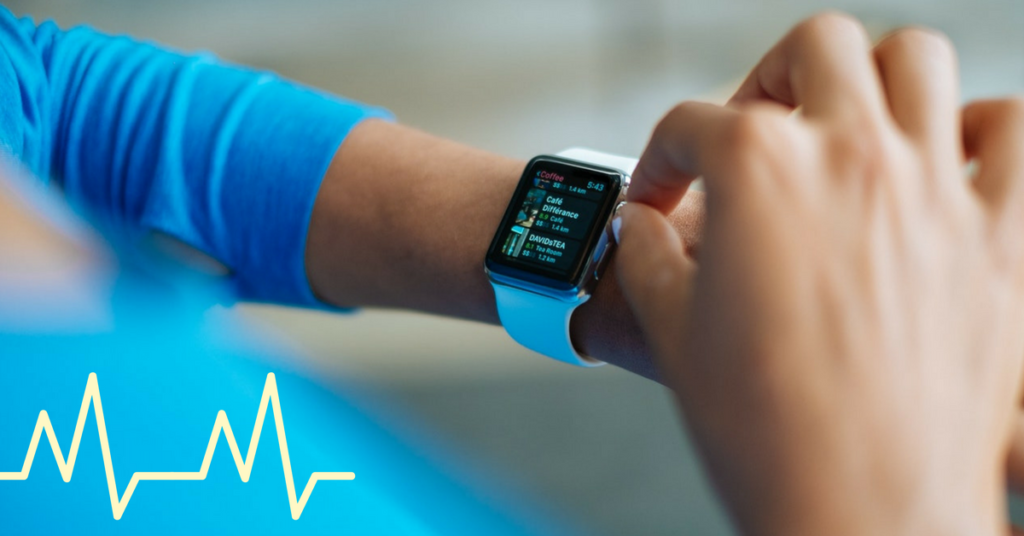
Wearables are not only about fitness.
They can also help with everyday productivity.
You might use a smartwatch to:
- Check calendar reminders
- Respond to simple messages
- Set timers
- Receive alerts
- Control music
- Find your phone
- Make payments
- Check navigation
These features may sound small, but convenience often comes from small improvements repeated throughout the day.
If a device saves you from reaching for your phone twenty times, that can make a noticeable difference.
Wearables in Sports
Professional and recreational sports are another major area for wearable technology.
Athletes can use sensors and tracking systems to understand aspects of training and performance.
Depending on the device, information may include movement, speed, distance, heart rate, training load, or other performance-related measurements.
Coaches and athletes can use this information to support training decisions.
For everyday users, the same idea can be much simpler.
You may just want to know how far you ran or whether you completed your planned workout.
You do not have to be a professional athlete to benefit from useful feedback.
The Benefits of Wearable Technology
Wearables can offer several practical advantages.
Convenience
Important information is available without constantly reaching for a smartphone.
Personal Tracking
Users can monitor certain aspects of their activity and routines over time.
Motivation
Seeing progress can encourage some people to stay active and work toward personal goals.
Accessibility
Voice controls, alerts, reminders, and other features can make technology easier to interact with for some users.
Connectivity
Wearables can connect with smartphones, apps, headphones, smart-home devices, and other digital services.
The Challenges of Wearable Technology
Wearables are useful, but they are not perfect.
Battery Life
Small devices have limited space for batteries, so charging remains part of the experience.
There is nothing more frustrating than reaching for your smartwatch before a workout and discovering that it has 3% battery.
Privacy
Wearables can collect personal information, including activity and health-related data.
Users should understand what information their device collects, where it is stored, and which services can access it.
Accuracy
Measurements are not always perfect.
Different devices can produce different results, and consumer sensors may have limitations.
Data should be treated as useful information rather than unquestionable truth.
Cost
Some advanced wearables can be expensive, especially when premium models are released frequently.
Before buying, consider whether the features you are paying for are actually useful to you.
How to Choose the Right Wearable
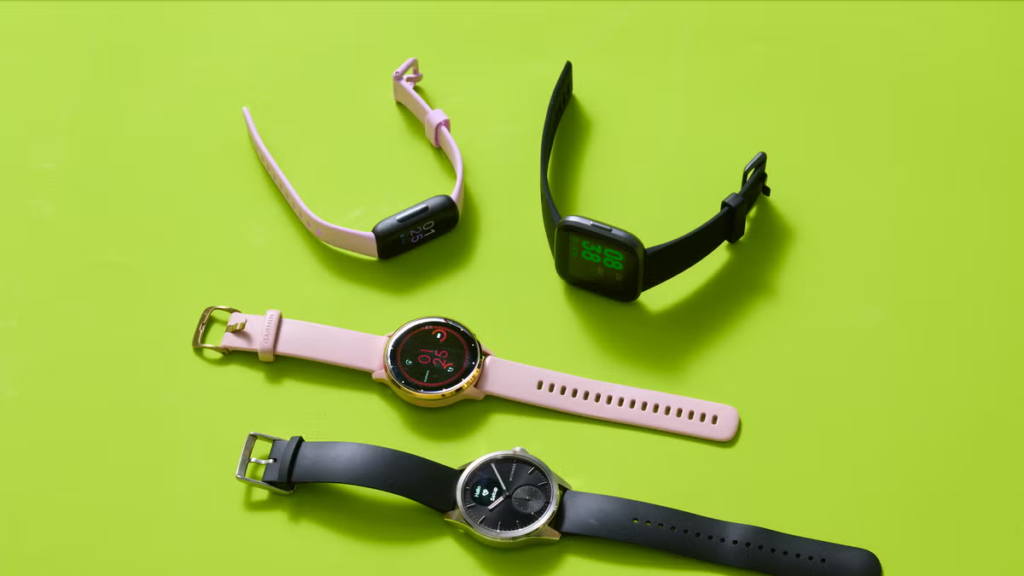
Buying a wearable should start with your needs rather than the longest feature list.
Ask yourself:
What do I actually want this device to do?
If fitness is your priority, look for useful workout and activity features.
If notifications are most important, consider battery life, phone compatibility, and communication features.
If sleep tracking matters to you, comfort becomes especially important because you will need to wear the device overnight.
Also consider:
- Battery life
- Compatibility
- Comfort
- Display quality
- App experience
- Durability
- Water resistance
- Privacy controls
- Price
- Subscription requirements
A device with 50 features is not necessarily better for you than one with 15 features you will actually use.
Wearable Technology and Privacy
Privacy deserves serious attention as wearable technology becomes more capable.
A device worn throughout the day can potentially collect a considerable amount of personal information.
Before purchasing or using a wearable, review its privacy settings and understand how data is handled.
Consider questions such as:
- What data does the device collect?
- Where is the information stored?
- Can you delete your data?
- Which apps receive access?
- Is data shared with third parties?
- What permissions does the companion app request?
Convenience should not mean giving up awareness of your personal data.
What Does the Future of Wearables Look Like?
The future of wearable technology could become much more seamless.
Devices may become smaller, lighter, and more comfortable.
Sensors may become more capable.
AI may make information easier to understand.
Smart glasses could become more useful.
Wearable devices may communicate more naturally with smartphones, cars, smart homes, and other connected systems.
We may also see more specialized wearables designed for specific industries, sports, workplaces, and accessibility needs.
The most interesting development may be that technology becomes less visible.
Instead of thinking, “I am using a computer,” the experience may simply feel like getting useful information when you need it.
Are Wearables Replacing Smartphones?
Not completely.
Smartphones remain powerful because they provide large screens, advanced applications, cameras, keyboards, and many other functions.
Wearables are more likely to work alongside smartphones than completely replace them.
A watch might handle a quick notification while your phone handles a longer message.
Smart glasses could provide hands-free information while a phone remains the main computing device.
The future may be less about one device replacing another and more about devices working together.
How to Use Wearables Without Becoming Obsessed With Data

There is a funny side to fitness technology.
You start wearing a tracker to become healthier, and suddenly you are worried because you missed your step goal by 437 steps.
Technology should support your wellbeing, not make you anxious about every number.
Use your wearable as a tool.
Look for useful patterns rather than obsessing over individual measurements.
If tracking becomes stressful, consider reducing notifications or taking occasional breaks.
Your health is bigger than a dashboard of numbers.
FAQ’S
1. What is wearable technology?
Wearable technology refers to electronic devices designed to be worn on the body, such as smartwatches, fitness trackers, smart rings, and smart glasses.
2. What are common examples of wearable devices?
Common examples include smartwatches, fitness trackers, smart rings, smart glasses, sports trackers, and certain connected health-monitoring devices.
3. What are the benefits of wearable technology?
Wearables can provide convenient notifications, activity tracking, fitness insights, connectivity, reminders, and other useful information throughout the day.
4. How do fitness trackers work?
Fitness trackers use sensors to collect information about activities and movement. Depending on the device, they may also monitor metrics such as heart rate, sleep patterns, or workout performance.
5. Are smartwatches useful for everyday life?
Yes. Smartwatches can provide notifications, calls, fitness tracking, navigation, music controls, reminders, and other convenient features depending on the model.
Wearable Technology: Smart Devices Shaping the Future of Everyday Life
Technology has become something we carry everywhere. Our phones are in our pockets, laptops sit…

Transformative Biotech and Health Tech: Smart Innovations for Better Health
From smartwatches that count our steps to advanced laboratories studying genes and diseases, Biotechnology makes…

Business Planning & Strategy: From Idea to Business Growth
Starting a business often begins with a simple thought: “What if I turn this idea…

Proven Strategies to Boost Content Performance and Growth
Creating Content takes time. You choose a topic, write the article, Content make images, create…

The Ultimate Practical Guide to Personal Growth
Personal growth is not about becoming a completely different person. It is about understanding yourself…

How to Build a Creator Business and Make Money Online
Creating content online used to sound like something only famous Business YouTubers, influencers, or celebrities…