
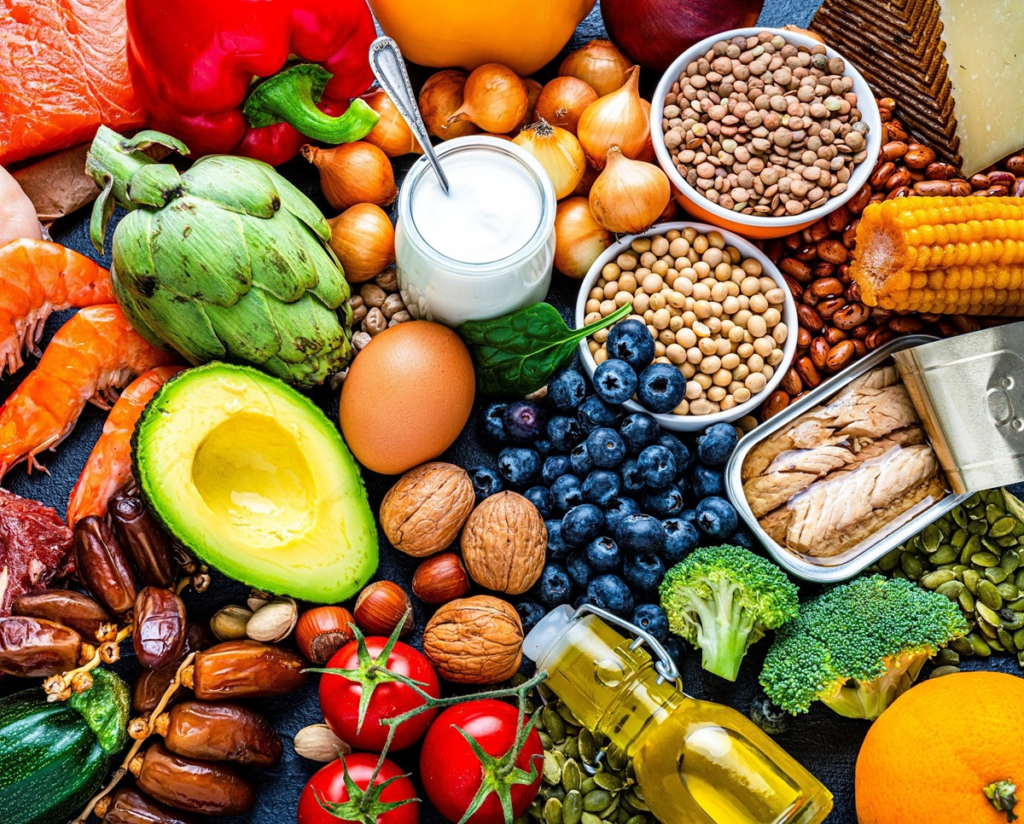
Have you ever opened your refrigerator when you were hungry, looked at everything inside, and still thought, “I have no idea what to eat”?
You’re definitely not alone.
These days, healthy eating can feel surprisingly complicated. One article tells you to avoid carbohydrates. Another says you should eat more protein. Someone on social media is drinking a green juice every morning, while someone else is saying that you should never eat after a certain hour.
After hearing all of this, it’s easy to feel confused.
But healthy eating doesn’t have to be a complicated project.
You don’t need a perfect diet to live a healthier life. You need practical habits that you can actually follow when you’re busy, tired, traveling, working, studying, or simply having one of those days when cooking feels like too much effort.
Food should nourish your body, but it should also bring comfort, enjoyment, culture, memories, and connection.
Healthy living is not about being perfect. It’s about making better choices more often.
What Is Healthy Eating?
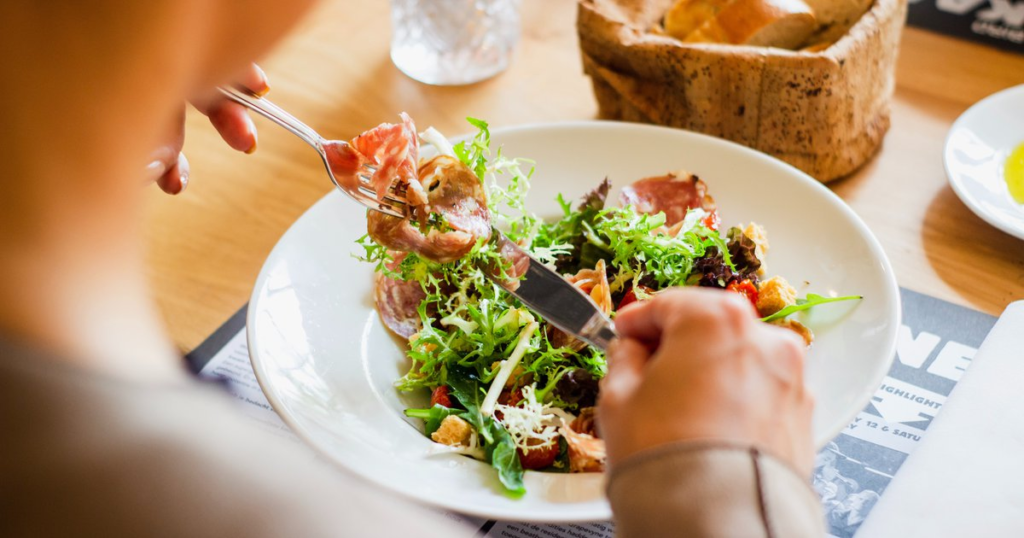
Healthy eating means giving your body a variety of nutritious foods that provide the energy and nutrients it needs.
These nutrients include protein, carbohydrates, fats, vitamins, minerals, fiber, and water. Each plays a different role in keeping your body functioning normally.
But here’s something important: healthy eating doesn’t mean every meal has to look like a picture from a health magazine.
Some mornings you might have a carefully prepared breakfast. Other mornings, you might grab a banana and rush out the door.
That’s life.
The bigger picture matters more than one meal.
Think of your body like a garden. A garden doesn’t grow because you water it perfectly one day. It grows because you care for it repeatedly over time. Food works in a similar way.
Why Is Healthy Eating Important?
Food is more than something that stops hunger.
Your body uses nutrients from food to support energy, muscles, bones, organs, immune function, and many other everyday processes.
You may also notice how different meals make you feel.
A very heavy meal might leave you feeling sleepy and uncomfortable. A balanced meal may leave you feeling satisfied and ready to continue your day.
Of course, everyone’s body is different. There isn’t one magical eating pattern that works exactly the same way for everyone.
The goal is to learn what supports your own body and lifestyle.
What Does a Balanced Diet Include?
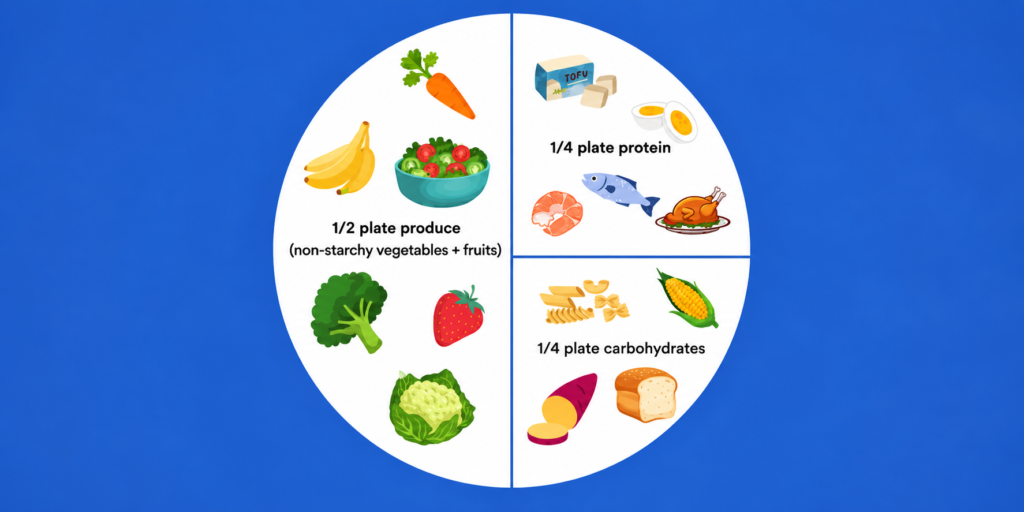
A balanced diet usually includes a mixture of different food groups rather than relying heavily on just one type of food.
| Food Group | Everyday Examples | Why It Matters |
|---|---|---|
| Vegetables | Spinach, carrots, tomatoes, broccoli | Vitamins, minerals, fiber |
| Fruits | Apples, bananas, oranges, berries | Fiber, vitamins, natural sweetness |
| Protein | Eggs, lentils, beans, tofu, fish | Supports muscles and body tissues |
| Whole grains | Oats, brown rice, whole-grain bread | Energy and fiber |
| Healthy fats | Nuts, seeds, avocado, olive oil | Provides dietary fat and nutrients |
| Dairy/alternatives | Milk, yogurt, fortified alternatives | Protein and other nutrients |
You don’t have to eat everything from this table at every meal.
Instead, think about variety across your day and week.
That’s much more realistic.
Make Vegetables a Regular Part of Your Meals
Let’s be honest. Not everyone gets excited about a bowl of plain vegetables.
If you don’t love vegetables, that doesn’t mean healthy eating isn’t for you.
Try changing how you prepare them.
You could roast carrots, add spinach to eggs, mix vegetables into a curry, make a colorful stir-fry, or add chopped vegetables to a sandwich.
Sometimes we don’t dislike a food.
We simply dislike the way it was prepared.
Vegetables also bring something beautiful to a plate. Green spinach, red tomatoes, orange carrots, purple cabbage—it can almost feel like bringing a little piece of nature to the dinner table.
Don’t Be Afraid of Carbohydrates
Carbohydrates have received a lot of criticism over the years, but they can be an important source of energy.
Foods such as oats, potatoes, rice, fruits, beans, and whole grains can fit comfortably into a balanced eating pattern.
Instead of thinking, “Carbs are bad,” ask yourself:
“Which carbohydrate foods help me feel satisfied and energized?”
That’s a much more useful question.
Rather than removing an entire food group without a specific reason, focus on food quality, portions, variety, and your individual needs.
Protein Is an Important Part of Healthy Eating
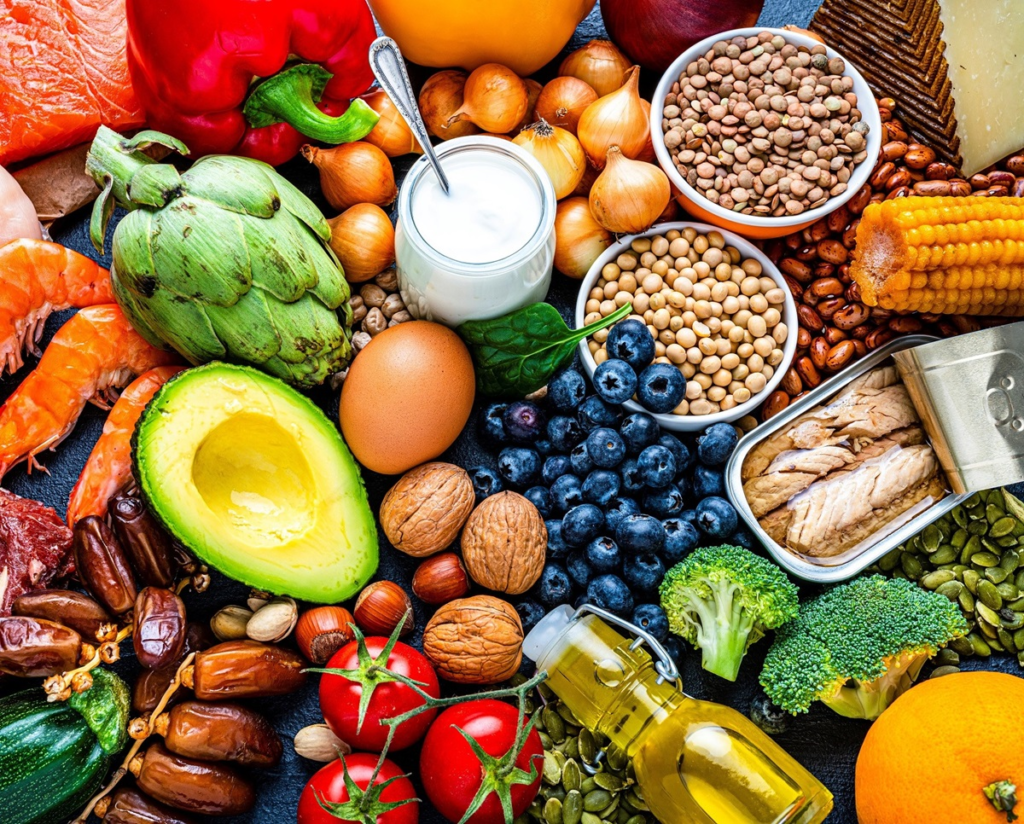
Protein helps support muscles and body tissues and can make meals feel more satisfying.
There are many ways to get protein, so you don’t have to eat the same food every day.
| Meal | Simple Protein Choices |
|---|---|
| Breakfast | Eggs, yogurt, milk, tofu |
| Lunch | Lentils, beans, chicken, fish |
| Snacks | Nuts, yogurt, roasted chickpeas |
| Dinner | Fish, tofu, paneer, beans, lean meat |
| Vegetarian meals | Lentils, chickpeas, beans, tofu, dairy |
If you’re vegetarian or simply want more variety, plant-based foods such as lentils, beans, chickpeas, tofu, and nuts can be useful parts of your meals.
A little variety keeps food interesting.
And honestly, food should be interesting.
If every meal tastes and looks exactly the same, it’s difficult to enjoy healthy eating for the long term.
Healthy Fats Are Part of a Balanced Diet
Fat is another nutrient that often gets misunderstood.
Your body needs dietary fat for normal functions, and foods such as nuts, seeds, avocado, olive oil, and fatty fish can provide useful nutrients.
The idea isn’t to eat unlimited amounts.
Instead, include healthy fat sources in sensible portions.
A small handful of nuts, some seeds on your breakfast, or a little olive oil in your cooking can add flavor and nourishment to a meal.
And sometimes flavor matters more than we realize.
A healthy meal that tastes good is much easier to enjoy repeatedly.
Why Fiber Matters
Fiber is found naturally in many fruits, vegetables, whole grains, beans, lentils, nuts, and seeds.
It plays an important role in digestive health and can also contribute to feeling satisfied after meals.
If your current diet is low in fiber, increasing fiber gradually while drinking enough fluids may be more comfortable than suddenly making a huge change.
Simple additions can help.
Add fruit to breakfast.
Choose whole grains more often.
Include beans or lentils in meals.
Add vegetables to lunch and dinner.
You don’t have to completely redesign your diet overnight.
Small additions can make a meaningful difference over time.
Drink Enough Water
Sometimes we’re so focused on food that we forget about something wonderfully simple: water.
Your fluid needs can vary depending on factors such as your activity level, environment, and individual circumstances.
Keeping water nearby can make drinking regularly easier.
If plain water feels boring, try adding lemon, cucumber, mint, or fruit for some natural flavor.
You don’t need an expensive wellness drink with a complicated ingredient list.
Sometimes, a simple glass of water is enough.
Learn to Listen to Your Hunger
Healthy eating isn’t only about what you eat.
It’s also about becoming more aware of how and why you eat.
Before reaching for a snack, you might pause for a moment and ask:
“Am I physically hungry?”
Maybe the answer is yes.
Maybe you’re bored.
Maybe you’re stressed.
Maybe you didn’t eat enough earlier.
Maybe you simply saw someone else eating.
There is no need to judge yourself for the answer.
Food and emotions are closely connected for many people. A warm bowl of soup can feel comforting. Birthday cake can represent celebration. A family recipe can carry years of memories.
The goal is not to remove emotion from eating.
The goal is to develop awareness rather than guilt.
You Don’t Have to Give Up Your Favorite Foods

This is where healthy eating becomes much more realistic.
You don’t need to give up every food you enjoy.
Love chocolate?
Enjoy some.
Like pizza?
Have it.
Enjoy your family’s traditional dishes?
Keep them in your life.
Healthy eating isn’t about creating a long list of foods you’re forbidden to touch.
Instead, think about frequency, balance, and overall patterns.
One dessert doesn’t ruin a healthy lifestyle.
One takeaway meal doesn’t erase your progress.
And one salad doesn’t magically make your entire diet healthy.
Your overall habits matter much more than one meal.
Build a Healthy Plate
When you’re unsure what to put on your plate, a simple visual approach can help.
| Part of the Plate | General Idea |
|---|---|
| About half | Vegetables and/or fruit |
| About one-quarter | Protein-rich foods |
| About one-quarter | Grains or other carbohydrate-rich foods |
| Small portion | Healthy fats or dressing |
This is a general guide, not a strict rule.
Your nutritional needs can vary depending on age, activity, goals, lifestyle, and health circumstances.
Think of it as a helpful starting point rather than another rule you have to worry about.
Make Healthy Eating Practical
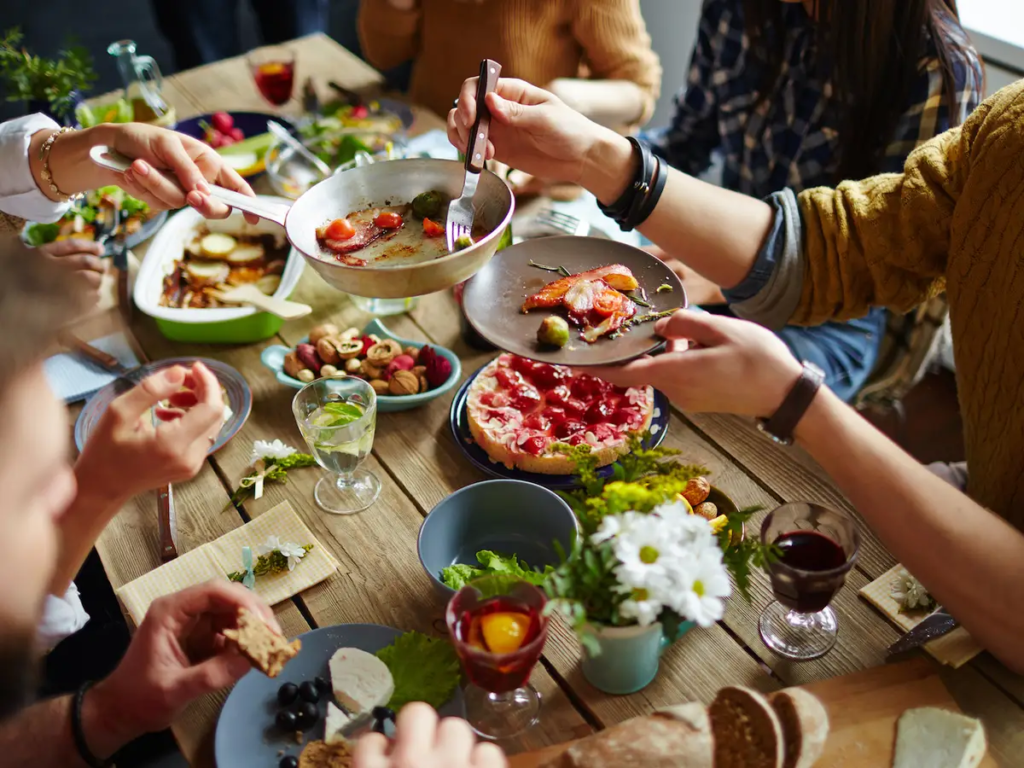
Healthy eating becomes much easier when it fits into your real life.
If you’re working all day, don’t create a meal plan that requires three hours of cooking every evening.
If you travel frequently, think about portable options.
If you don’t enjoy cooking, learn a few simple meals you genuinely like.
For example, you could keep these foods available:
- Eggs
- Yogurt
- Oats
- Fresh or frozen vegetables
- Fruits
- Lentils
- Beans
- Rice
- Whole-grain bread
- Nuts and seeds
When nutritious foods are already available, making a better choice becomes easier.
Convenience matters.
The healthiest plan is often the one you can actually follow.
Simple Healthy Eating Habits
You don’t have to change everything at once.
Try one small habit, allow yourself time to get comfortable with it, and then build from there.
| Instead of… | Try… |
|---|---|
| Skipping meals and becoming extremely hungry | Eating regular, satisfying meals |
| Eating very few vegetables | Adding one vegetable to a meal |
| Drinking sugary drinks frequently | Choosing water more often |
| Ordering food every day | Preparing simple meals at home when possible |
| Following extreme diet trends | Focusing on balanced habits |
| Trying to change everything Monday morning | Changing one habit at a time |
Small changes can feel almost boring.
But boring can be powerful.
A habit you repeat is usually more useful than a perfect plan you abandon.
Meal Planning Can Make Life Easier
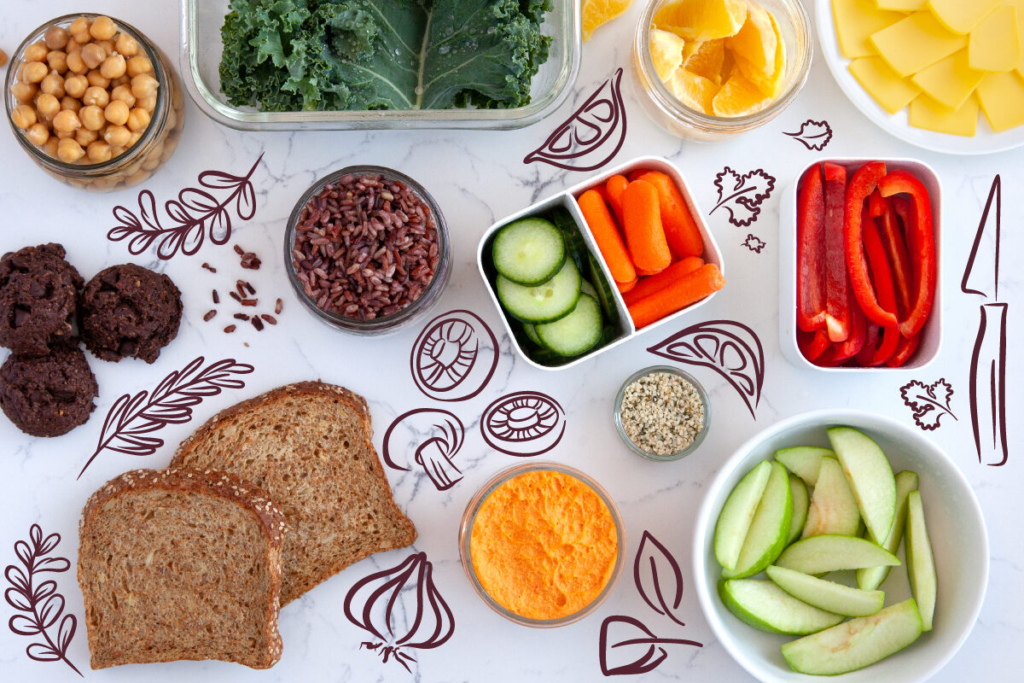
Have you ever reached the end of a long day, opened the refrigerator, and thought, “I seriously don’t know what I’m going to cook”?
A little planning can prevent that moment.
You don’t need to plan every meal perfectly.
Choose a few proteins, vegetables, fruits, grains, and easy snacks for the week. Then mix and match them.
For example:
| Day | Simple Meal Idea |
|---|---|
| Monday | Lentils, rice, and vegetables |
| Tuesday | Eggs, whole-grain toast, and fruit |
| Wednesday | Beans, rice, and salad |
| Thursday | Fish or tofu with vegetables |
| Friday | Homemade meal you enjoy |
Keep it flexible.
If Wednesday’s planned meal suddenly sounds terrible, change it.
Your meal plan is supposed to serve you—not control you.
Common Healthy Eating Mistakes
Many people struggle with healthy eating because they make it harder than it needs to be.
| Common Mistake | Better Approach |
|---|---|
| Trying extreme diets | Choose sustainable habits |
| Cutting out foods unnecessarily | Focus on balance |
| Expecting quick changes | Be patient and consistent |
| Feeling guilty after treats | Return to normal eating |
| Making every meal complicated | Keep simple foods available |
| Comparing your diet with others | Find what fits your life |
Social media can make healthy living look almost perfect.
Beautiful meal-prep containers.
Perfect smoothies.
Early morning workouts.
Colorful salads.
But behind the picture, there is still a human being who probably has days when they eat leftovers straight from the container.
Real healthy living has messy days too.
Healthy Eating and Your Lifestyle
Food is only one part of healthy living.
Your overall well-being can also be influenced by sleep, movement, stress, relationships, rest, and time spent doing things you enjoy.
You could eat nutritious meals but still feel exhausted if you’re constantly stressed and never resting.
That’s why health is better viewed as a bigger picture.
Food is an important piece of that picture, but it isn’t the entire picture.
Don’t Chase Perfection
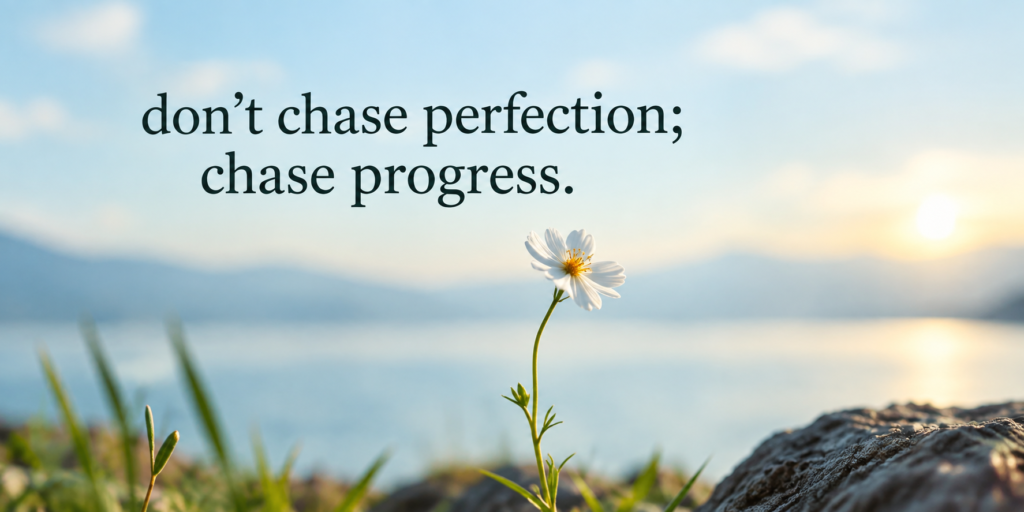
One of the biggest mistakes people make is believing that healthy eating means being perfect.
It doesn’t.
You will have busy days.
You will eat foods you didn’t plan to eat.
You may skip a workout.
You may order takeaway because you’re tired.
You may eat dessert because it looks delicious.
And then you move on.
You don’t have to start your healthy lifestyle from zero after one imperfect day.
Think about nature.
A tree doesn’t stop growing because one branch loses a few leaves. Seasons change, weather changes, and growth continues.
Your habits can work the same way.
FAQ’S
1. What is healthy eating?
Healthy eating means choosing a variety of nutritious foods that provide your body with energy, protein, vitamins, minerals, healthy fats, fiber, and fluids. It is about balance rather than eating perfectly.
2. Why is healthy eating important?
Healthy eating provides your body with nutrients needed for energy, growth, muscle support, immune function, and overall well-being. A balanced eating pattern can also help support a healthy lifestyle.
3. What foods should I eat for a healthy diet?
A healthy diet can include vegetables, fruits, whole grains, protein-rich foods, nuts, seeds, and healthy fats. Dairy or suitable fortified alternatives can also be included according to your needs.
4. What does a balanced meal look like?
A balanced meal can include vegetables or fruit, a source of protein, a carbohydrate-rich food such as whole grains or potatoes, and a small amount of healthy fat. Balance can look different from one meal to another.
5. How many fruits and vegetables should I eat every day?
Including a variety of fruits and vegetables throughout the day is a useful healthy-eating habit. Choose different colors and types when possible to increase variety and nutrient intake.

Wearable Technology: Smart Devices Shaping the Future of Everyday Life
Technology has become something we carry everywhere. Our phones are in our pockets, laptops sit…

Transformative Biotech and Health Tech: Smart Innovations for Better Health
From smartwatches that count our steps to advanced laboratories studying genes and diseases, Biotechnology makes…

Business Planning & Strategy: From Idea to Business Growth
Starting a business often begins with a simple thought: “What if I turn this idea…
Proven Strategies to Boost Content Performance and Growth
Creating Content takes time. You choose a topic, write the article, Content make images, create…

The Ultimate Practical Guide to Personal Growth
Personal growth is not about becoming a completely different person. It is about understanding yourself…

How to Build a Creator Business and Make Money Online
Creating content online used to sound like something only famous Business YouTubers, influencers, or celebrities…

Self-Driving Cars: A Complete Guide to Autonomous Vehicles
Imagine getting into your car after a long day, entering your destination, and simply sitting…