
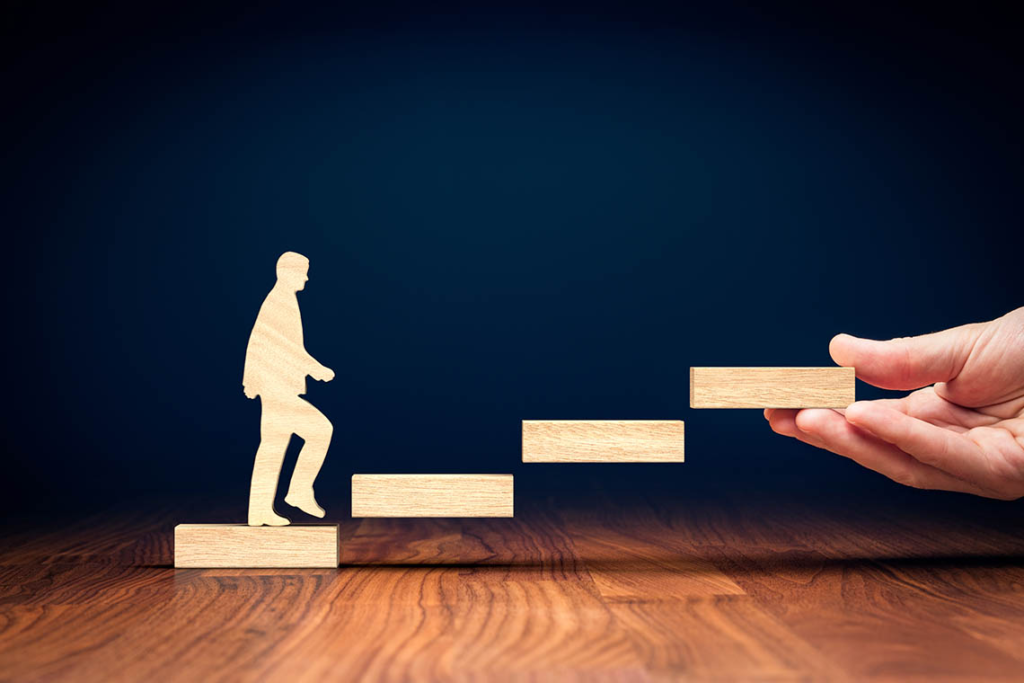
Most self-help advice fails because it demands perfection. It asks you to adopt complex rituals that fit an idealized lifestyle, not a real human schedule. Real growth isn’t about overhaul—it’s about small, sustainable shifts.
[ Idealized Self-Help ] –> Demands Perfection –> Burnout & Failure
[ Human-Centered Growth] –> Focuses on Consistency –> Long-Term Resilience
4 Core Principles of Building a Good Life

1. Lower the Friction
- The Myth: You need hours of daily discipline.
- The Reality: Shrink the habit until it requires almost zero effort. Want to read more? Start with two pages a night. Want to move more? Walk for 5 minutes. Consistency beats intensity every single time
2. Focus on Your Environment, Not Willpower
- Willpower is a finite battery that drains throughout the day.
- Design your space so the right choices are effortless: keep your desk clear, move distracting apps off your home screen, and surround yourself with people who don’t drain your energy.
3. Rest Is Maintenance, Not a Reward
- You don’t need to “earn” time off by burning yourself out.
- Rest—whether it’s physical sleep, mental downtime, or taking a break from screens—is required for memory, focus, and emotional regulation.
4. Track Progress Against Yourself
- Social media feeds showcase everyone else’s highlight reels, not their daily struggles.
- The only meaningful baseline for growth is comparing where you are today with where you were six months or a year ago.
Comparison: Unrealistic Myths vs. Realistic Habits
| Area | The Social Media Myth | What Actually Works |
| Morning Routine | 2-hour rigid ritual starting at 4:30 AM | 10 peaceful minutes without looking at a screen |
| Productivity | 12 hours of non-stop deep work | 3–4 hours of genuine, focused execution |
| Habits | Transforming your entire lifestyle overnight | Upgrading one tiny action at a time |
| Goal Setting | Massive, rigid annual targets | Flexible, adaptable micro-goals |
A Simple 3-Step Action Plan
- Pick one micro-habit: Choose a single area—hydration, a brief morning pause, or 10 minutes of reading.
- Never miss twice: Missing a day happens because life is unpredictable. Just make sure you pick it back up the following day.
- Review monthly: Reflect on what felt natural and what felt forced, then adjust without self-judgment.
Personal growth isn’t about becoming a different person; it’s about stripping away the habits, clutter, and expectations that keep you from operating at your natural best.
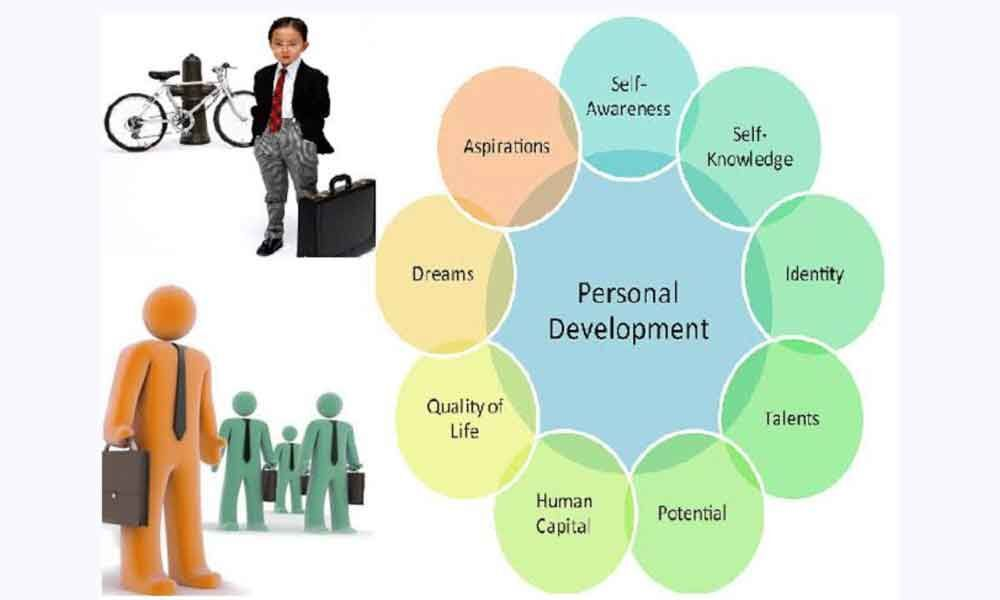
Building a life that feels good requires looking at the six foundational pillars of personal development through a practical, human-centered lens.
Pillar 1: Mindset & Self-Awareness

Before you can change your trajectory, you have to understand your starting point. Self-awareness is the baseline of all personal development.
- Audit Your Internal Monologue: Pay attention to how you talk to yourself when you drop the ball. If you wouldn’t say it to a close friend, don’t say it to yourself. Self-criticism drains energy; self-compassion preserves it.
- Identify Your Core Values: Write down the 3–5 values that actually govern your well-being (e.g., Autonomy, Peace, Curiosity, Loyalty). When making decisions, filter them through these values to avoid unnecessary internal conflict.
- Separate Identity from Emotion: Practice saying “I am feeling anxious” instead of “I am an anxious person.” Feelings are temporary states, not permanent traits.
Pillar 2: Physical & Mental Foundation
You cannot out-think a body that is running on empty. Physical health directly dictates cognitive clarity and emotional resilience.
- Protect Your Sleep Architecture: Prioritize a consistent sleep schedule over late-night productivity. Deep sleep is when your brain clears metabolic waste and processes memories.
- Simplify Your Hydration & Nutrition: Stop overcomplicating diet plans. Focus on basic fundamentals: drink water immediately upon waking, prioritize whole foods, and eat to sustain steady energy rather than quick hits.
- Build Movement Into the Day: You don’t need a grueling two-hour gym session every day. Aim for regular non-exercise physical activity—walks during phone calls, light stretching, or taking the stairs.
Pillar 3: Habit Design & Time Management
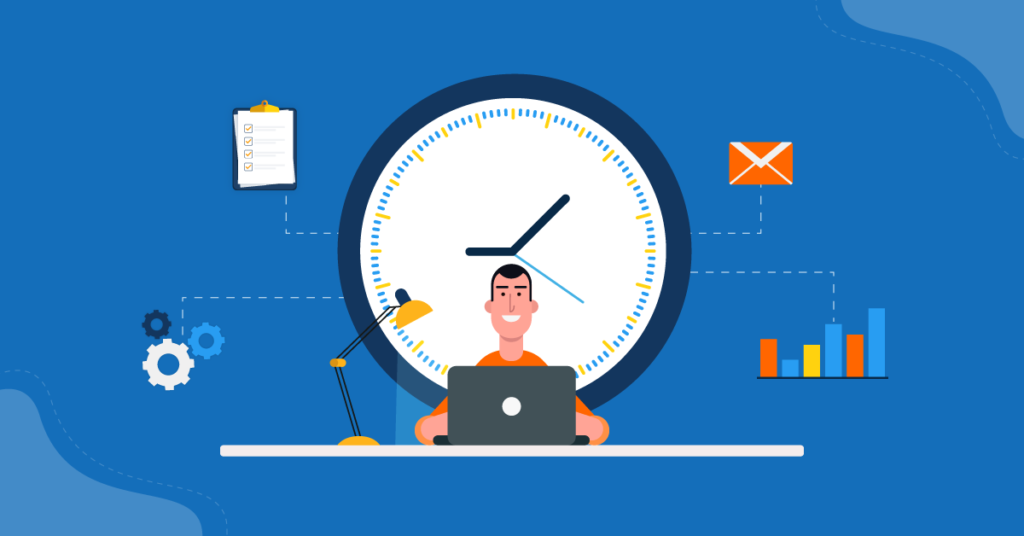
Systems will always beat willpower over the long run. Good time management is really just energy management in disguise.
| Focus Area | High-Friction Approach (Fails Quickly) | Low-Friction Approach (Sustained Growth) |
| Schedule Setup | Jamming every hour of the day with tasks | Leaving 20% buffer time for life’s interruptions |
| Starting Tasks | Waiting for a wave of motivation | Using the 2-Minute Rule to build initial momentum |
| Focus Blocks | Attempting 4 hours of uninterrupted work | Working in 45–60 minute focused sprints |
| Daily Priorities | Maintaining a 15-item to-do list | Choosing 1–3 “Must-Complete” tasks each day |
Pillar 4: Relationship & Communication Skills
Your quality of life is heavily shaped by the quality of your relationships. Modern growth requires learning how to connect deeply without burning out.
- Active Listening: Resist the urge to form your rebuttal or story while someone else is speaking. Listen for what they are feeling, not just the words they are using.
- Set Clear, Calm Boundaries: Boundaries aren’t walls to keep people out; they are clear instructions on how to keep you in their lives sustainably. Say no early and directly, without over-explaining.
- Protect Your Emotional Energy: Audit the people you spend the most time with. Choose relationships that leave you feeling grounded and capable rather than exhausted and insecure.
Pillar 5: Emotional Intelligence & Resilience
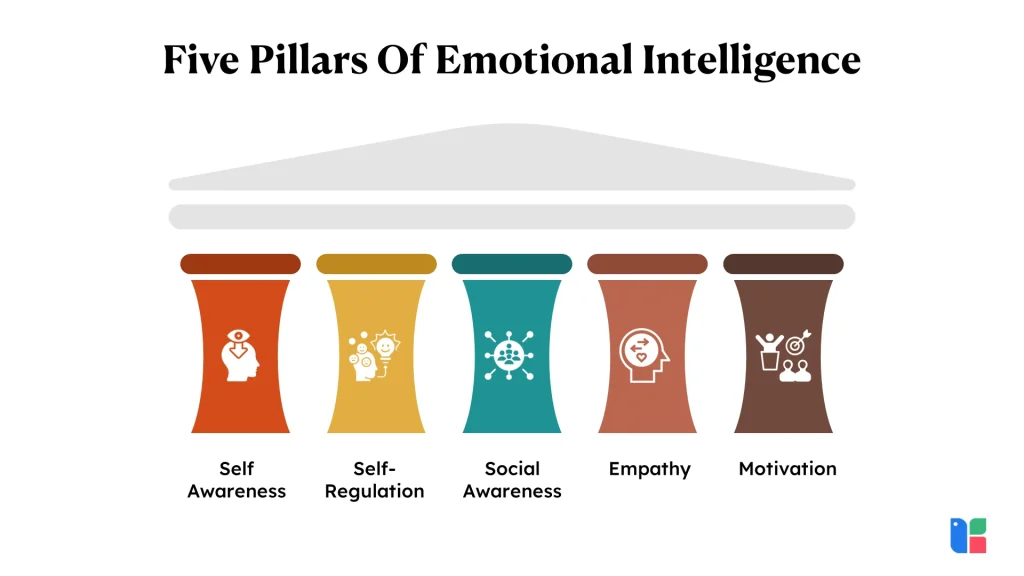
Life is naturally unpredictable. Resilience isn’t about avoiding stress—it’s about shortening the recovery window after a setback occurs.
[ Setback / Obstacle ] –> [ Pause & Regulate ] –> [ Extract Data ] –> [ Adapt Action ]
- The Pause: When a problem arises, take 30 seconds before responding. Impulsive reactions almost always compound the problem.
- Extract Data, Drop Judgment: Treat failures as neutral information. Ask: “What did this situation teach me about my process, my assumptions, or my environment?”
- Focus on the Controllable: Draw a line between what is within your direct control (your response, your efforts) and what isn’t (other people’s reactions, past events). Direct 100% of your remaining energy to the former.
Pillar 6: Environment & Digital Hygiene
Your environment quietly dictates your behavior. Design your surroundings so that doing the right thing requires the least amount of effort.
- Declutter Your Visual Field: A cluttered workspace creates subconscious cognitive load. Take 3 minutes at the end of every day to clear your desk.
- Audit Digital Inputs: Unfollow or mute social media accounts that leave you feeling inadequate, anxious, or outraged. Curate your feed to inform or inspire, not trigger.
- Create Friction for Bad Habits: Want to reduce screen time? Charge your phone in another room overnight. Want to eat better? Keep healthy options at eye level in the pantry.
The 5-Step Starter Framework
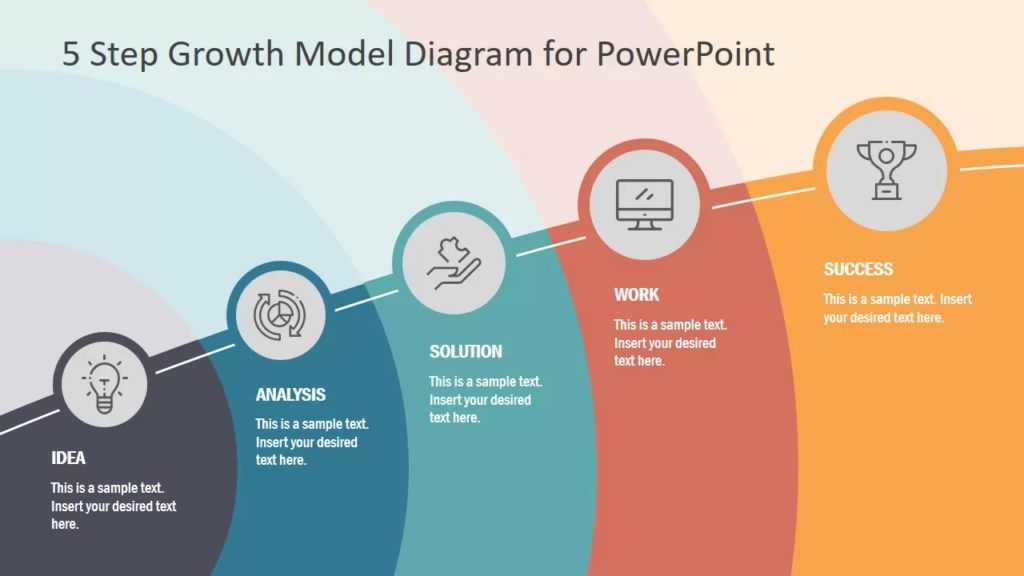
- Pick One Pillar: Don’t attempt to overhaul all six areas at once. Choose the single area causing the most friction right now.
- Define a Micro-Step: Break your goal down into an action so small it feels almost effortless to complete.
- Attach to an Existing Habit: Anchor the new micro-step to something you already do every day (e.g., “After I pour my morning coffee, I will write down my top 2 priorities”).
- Log the Chain: Keep a lightweight record of your consistency on a calendar or paper note.
- Adjust Monthly: Every 30 days, review what is working, drop what feels forced, and build on your progress.
It helps you build confidence, improve your skills, manage your time, and achieve your personal and professional goals.
Start with small goals, develop positive habits, learn new skills, and track your progress regularly.
Important areas include self-confidence, communication, time management, goal setting, learning, emotional growth, and maintaining a positive mindset.
development is a continuous process. Small, consistent improvements can create meaningful results over time.

Wearable Technology: Smart Devices Shaping the Future of Everyday Life
Technology has become something we carry everywhere. Our phones are in our pockets, laptops sit…

Transformative Biotech and Health Tech: Smart Innovations for Better Health
From smartwatches that count our steps to advanced laboratories studying genes and diseases, Biotechnology makes…

Business Planning & Strategy: From Idea to Business Growth
Starting a business often begins with a simple thought: “What if I turn this idea…

Proven Strategies to Boost Content Performance and Growth
Creating Content takes time. You choose a topic, write the article, Content make images, create…

The Ultimate Practical Guide to Personal Growth
Personal growth is not about becoming a completely different person. It is about understanding yourself…

How to Build a Creator Business and Make Money Online
Creating content online used to sound like something only famous Business YouTubers, influencers, or celebrities…
FAQ’S
1. What is personal development?
Personal development is the process of improving your skills, mindset, habits, confidence, and overall well-being.
2. Why is personal development important?
It helps you become more confident, productive, focused, and capable of handling challenges.
3. How can I start personal development?
Start by setting clear goals, building positive habits, learning new skills, and tracking your progress.
4. What are the main areas of personal development?
Key areas include self-confidence, communication, time management, goal setting, emotional growth, and continuous learning.
5. How can I improve myself every day?
Read, learn something new, practice useful skills, maintain a positive mindset, and reflect on your daily progress.