
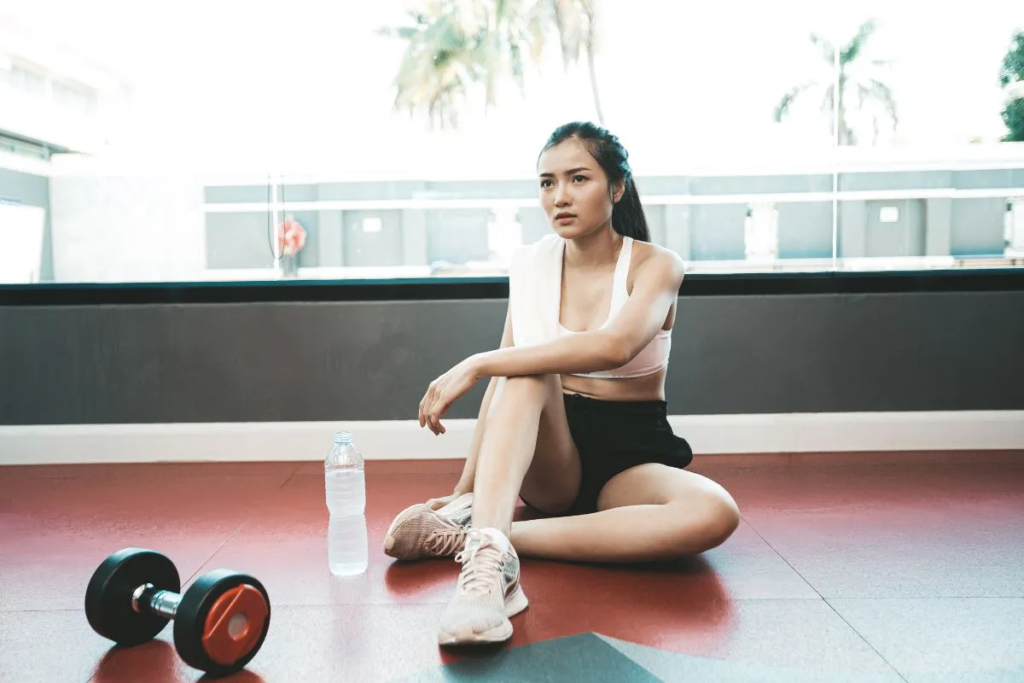
Starting fitness can feel exciting, but it can also bring a lot of questions. What exercise should I do? How much is enough? Do I need a gym? What if I can’t keep up? These are completely normal thoughts when you’re just beginning.
The good news is that fitness doesn’t have to be complicated. You don’t need to become a fitness expert overnight. You simply need to start with small, realistic habits and give yourself time to improve.
Fitness Is More Than Just Exercise

When people hear the word “fitness,” they often imagine gyms, heavy equipment, or intense workouts. But fitness is much broader than that.
Fitness is about helping your body stay active, strong, mobile, and capable in everyday life.
Walking to the market, cycling with friends, playing a sport, stretching after sitting for a long time, or doing a beginner workout at home can all be part of an active lifestyle.
In my opinion, the best fitness routine isn’t the one that looks impressive on social media. It’s the one you can actually enjoy and maintain.
Start Small Instead of Trying to Do Everything
One of the most common beginner mistakes is starting too hard.
You might feel motivated on Monday and decide to exercise for an hour every day. Then, after a few days, you’re tired and don’t feel like continuing.
A better approach is to start with something manageable.
For example, if you’re new to exercise, you could begin with a comfortable walk and some gentle movement. Once that feels easier, you can gradually add variety.
Think of it like learning to ride a bicycle. You don’t expect yourself to balance perfectly on the first attempt. You practice, wobble a little, learn, and try again.
Fitness can work the same way.
Find an Activity You Actually Enjoy

Here’s a practical thought: if you hate your workout every time, it may not be the right workout for you.
There are many ways to stay active:
- Walking
- Cycling
- Swimming
- Dancing
- Recreational sports
- Hiking
- Stretching
- Beginner strength exercises
- Outdoor games
Maybe you enjoy walking while listening to music. Maybe cycling gives you a chance to explore your surroundings. Maybe dancing makes exercise feel more like fun than a workout.
That’s perfectly fine.
Enjoyment matters because habits are easier to maintain when they don’t feel like punishment.
Create a Realistic Weekly Routine

You don’t need a complicated fitness calendar.
A simple routine could look like this:
| Day | Simple Activity |
|---|---|
| Monday | Comfortable walk |
| Tuesday | Beginner strength exercises |
| Wednesday | Rest or gentle movement |
| Thursday | Walking or cycling |
| Friday | Beginner strength exercises |
| Saturday | Fun outdoor activity |
| Sunday | Rest |
This is only an example. Your routine should fit your age, experience, schedule, and individual needs.
If you have an injury, health concern, or questions about whether a particular exercise is suitable for you, speak with a qualified healthcare professional.
Don’t Forget About Everyday Movement
Fitness doesn’t only happen during a formal workout.
Think about your normal day.
Maybe you walk while talking with a friend, take a short movement break from your desk, help with household tasks, or spend some time playing outside.
These moments may seem small, but they can help you avoid spending the entire day sitting still.
One small observation: sometimes we wait for a “workout time” to move, even though there are plenty of opportunities to be active throughout the day.
Walking Can Be a Wonderful Starting Point

Walking is simple, accessible, and easy to fit into many routines.
You can walk:
- Around your neighborhood
- In a local park
- With a friend
- During a break
- While exploring a new place
And there’s a nice mental benefit to getting outside.
Fresh air, trees, sunlight, and a little change of scenery can make an ordinary walk feel surprisingly refreshing.
You might start your walk thinking about a problem and return with a clearer head.
The problem may still be there—but sometimes your thoughts feel a little less tangled.
Learn Basic Strength Exercises
Strength exercises can help develop muscular strength and support everyday movement.
Beginners can explore simple movements such as:
- Squats
- Wall push-ups
- Modified push-ups
- Glute bridges
- Lunges
- Resistance-band exercises
Don’t worry about trying to do the most difficult version.
Learn the movement first, then gradually increase the challenge when appropriate.
Good technique matters more than rushing through an exercise just to say you completed it.
Warm Up and Cool Down

A warm-up gives your body a chance to gradually prepare for activity.
You might begin with easy movement before moving into your main exercise.
After exercising, you can gradually slow down and use gentle stretching if it feels comfortable.
It doesn’t have to become a complicated ritual.
Think of it as starting your car gently rather than immediately pressing the accelerator.
Listen to Your Body
This is something beginners should take seriously.
Exercise can feel challenging. That’s normal.
But pain or feeling unwell shouldn’t simply be ignored.
If you experience sharp pain, dizziness, or unusual symptoms, stop the activity and seek appropriate medical advice.
Also remember that rest isn’t laziness.
Your body needs recovery.
Sometimes the healthiest choice is to take a break and come back refreshed.
Don’t Compare Yourself With Someone Else
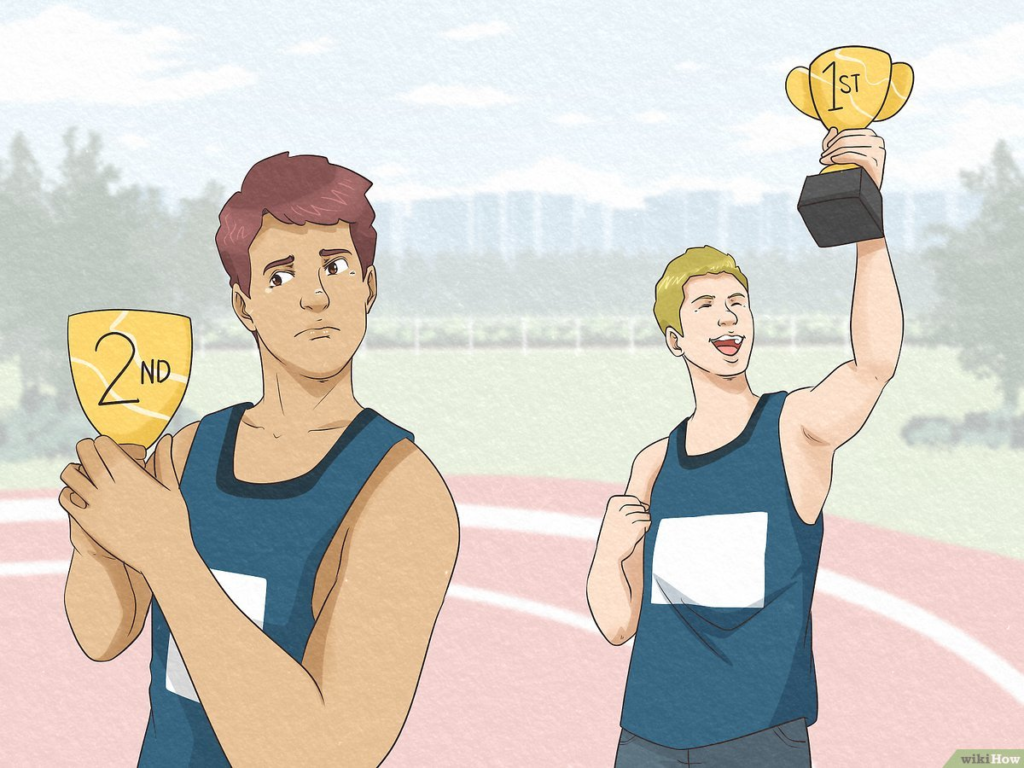
Social media can make fitness feel like a competition.
You may see someone running faster, lifting heavier, or completing a difficult workout and think, “Why can’t I do that?”
But you’re comparing your beginning with someone else’s journey.
People have different:
- Experiences
- Abilities
- Schedules
- Fitness levels
- Goals
- Circumstances
Instead, compare yourself with your own previous efforts.
Maybe something that felt difficult last month now feels easier.
That’s progress.
Consistency Beats Perfection
You will have good days and not-so-good days.
Some mornings you’ll feel energetic. Other days, you’ll simply want a little more sleep.
That’s human.
Missing one workout doesn’t mean you’ve failed.
Imagine walking along a forest path and taking a wrong turn. You don’t have to go home just because you missed the path—you simply find your way back.
The same idea applies to fitness.
If you miss a few days, start again without beating yourself up.
Food, Water, and Sleep Matter Too

Exercise is only one part of taking care of yourself.
Your body also needs regular nourishment, enough fluids, and adequate sleep.
Try to focus on balanced eating habits and a variety of nutritious foods rather than extreme diets.
If you’re still growing, avoid restrictive eating plans or aggressive fitness programs without guidance from a qualified healthcare professional.
Sleep matters too.
A tired person may struggle to concentrate, enjoy activities, or feel energetic.
Rest is not wasted time. It’s part of looking after your body.
Make Fitness Fit Into Your Life
A fitness routine shouldn’t make your entire life stressful.
You still need time for:
- Family
- Friends
- School or work
- Hobbies
- Relaxation
- Sleep
- Fun
If your routine is so demanding that you can’t enjoy anything else, it may not be realistic.
A sustainable routine should support your life, not take it over.
Simple Ways to Stay Motivated
Motivation isn’t always reliable.
Instead of waiting until you feel motivated, create small habits.
Try:
Keeping your walking shoes somewhere easy to see.
Choosing a regular time for movement.
Exercising with a friend.
Trying different activities so you don’t get bored.
Setting small, realistic goals.
And don’t make every goal about appearance.
You might set a goal to become more consistent, improve your stamina, learn a new activity, or simply spend more time moving.
Track the Things That Actually Matter

Track the Things That Actually Matter
Progress isn’t only about body measurements.
You can notice things like:
| Progress Sign | What You Might Notice |
|---|---|
| Energy | Everyday activities feel easier |
| Consistency | You’re following your routine more regularly |
| Movement | Exercises feel more comfortable |
| Endurance | You can stay active for longer |
| Confidence | You feel more comfortable trying new activities |
| Well-being | You enjoy being active more |
Keep a simple journal if you like.
Write down what activity you did and how you felt.
After a few weeks, look back.
You may discover that progress was happening quietly while you were busy focusing on the next goal.
Don’t Chase Perfection
There’s a common idea that every workout needs to be perfect.
It doesn’t.
Some days you may have lots of energy. Other days, a gentle walk might be enough.
Some weeks may go exactly as planned. Others may be messy.
That’s real life.
The goal is not perfection; the goal is building habits that you can return to again and again.
A Few Beginner Fitness Rules to Remember
If you want to keep things simple, remember these:
- Start gradually.
- Choose activities you enjoy.
- Focus on safe, controlled movement.
- Give yourself recovery time.
- Stay hydrated.
- Get enough sleep.
- Don’t ignore pain or feeling unwell.
- Don’t compare your body or progress with others.
- Focus on health rather than appearance.
- Be patient with yourself.
FAQ’S
1. What is fitness for beginners?
Fitness for beginners means starting physical activity at a comfortable level and gradually building healthy movement habits. It can include walking, cycling, stretching, sports, and beginner-friendly strength exercises.
2. How should a beginner start exercising?
Start with simple, manageable activities such as walking, gentle stretching, or basic bodyweight exercises. Increase the difficulty gradually as you become more comfortable.
3. How often should beginners exercise?
The right amount depends on your age, fitness level, and individual circumstances. A good approach is to start gradually and build consistency rather than trying to exercise intensely from the beginning.
4. Do beginners need to join a gym?
No. You can begin fitness at home or outdoors with activities such as walking, cycling, stretching, dancing, and bodyweight exercises. A gym is optional, not a requirement.
5. What are the best exercises for beginners?
Beginner-friendly activities can include walking, cycling, swimming, gentle mobility exercises, and simple strength movements. Choose activities that feel appropriate for your current ability.

Wearable Technology: Smart Devices Shaping the Future of Everyday Life
Technology has become something we carry everywhere. Our phones are in our pockets, laptops sit…

Transformative Biotech and Health Tech: Smart Innovations for Better Health
From smartwatches that count our steps to advanced laboratories studying genes and diseases, Biotechnology makes…

Business Planning & Strategy: From Idea to Business Growth
Starting a business often begins with a simple thought: “What if I turn this idea…

Proven Strategies to Boost Content Performance and Growth
Creating Content takes time. You choose a topic, write the article, Content make images, create…