

Living a healthy, balanced life often gets turned into an exhausting performance on social media. We are constantly flooded with pictures of 5:00 AM wake-up calls, forced silence in meditation, meals made entirely of green liquids, and relentless daily workouts. When real life inevitably steps in—a chaotic work shift, family commitments, or simply being too exhausted to move—these rigid routines fall apart. And usually, we end up blaming ourselves, feeling stuck in an endless loop of guilt and frustration.
Here is the simple truth: real wellness does not ask you to overhaul your entire identity overnight. Real, lasting change comes from small, intentional tweaks that actually fit into your real-life daily routine. Over time, these tiny shifts compound into genuine, measurable improvements in how much physical energy you have, how clearly you think, and how emotionally resilient you feel when facing life’s daily hurdles.
The Truth About Habits: Why 21 Days Is a Myth
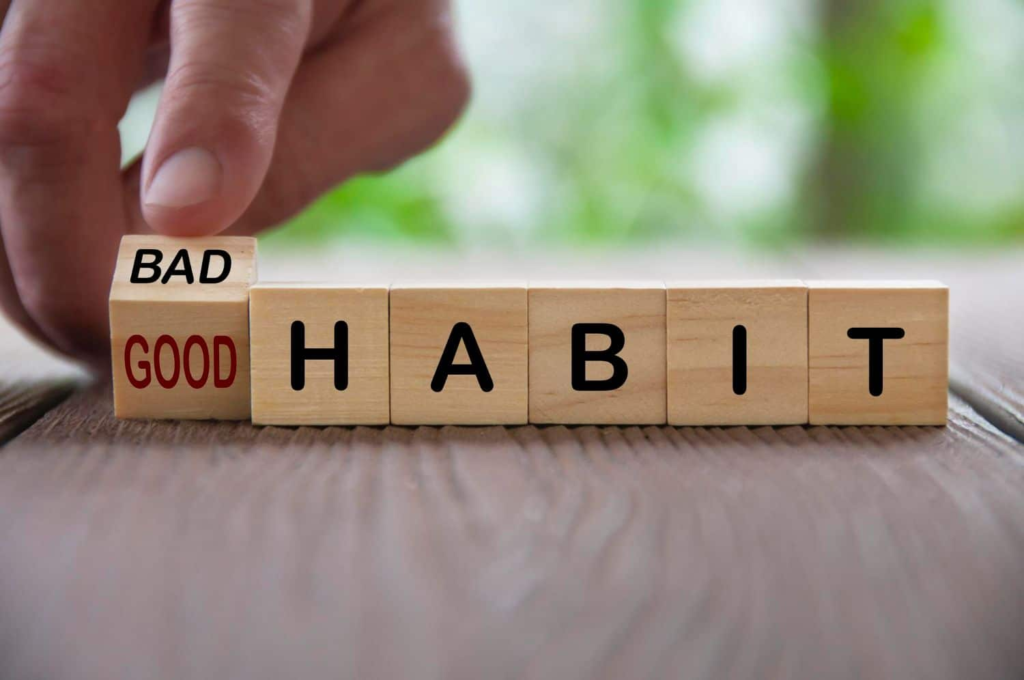
We have all heard the old advice that it takes exactly twenty-one days to form a new habit. But modern behavioral science shows us a much more realistic, human picture. Building a new daily habit is not an exact science—it depends heavily on the complexity of what you are trying to change, your personal stress levels, and your surrounding environment.
Research from University College London reveals that making a new behavior feel automatic actually takes anywhere from eighteen to two hundred and fifty-four days, with the average setting in around sixty-six days. Expecting instant perfection only leads to burnout and disappointment. Health is not an all-or-nothing game; every single day is simply another fresh chance to make choices that support your body and mind through low-effort, high-impact actions.
10 Simple Lifestyle Shifts for Everyday Life
Combining practical health science with real-world living, here are ten low-effort, high-impact habits designed to help you feel your best without completely upending your daily life.
Habit 1: Give Yourself the Gift of Real Rest

Sleep is usually the first thing we sacrifice when life gets busy or stressful. But quality rest is not a luxury or something you have to “earn” after working hard—it is the foundational biological fuel your brain and body need to recover. When you consistently run on empty, your stress hormones spike, your focus drops, and your body’s glucose regulation gets thrown off balance.
- Stick to a steady routine: Try going to sleep and waking up at the same time every day, even on weekends, to keep your internal biological clock perfectly in sync.
- Unplug before bed: Put away your phone, tablet, and laptop at least sixty minutes before sleeping. The artificial blue light tricks your brain into thinking it is still daytime.
- Set the mood: Keep your sleeping environment as dark, quiet, and cool as possible to encourage deep, uninterrupted sleep cycles.
Habit 2: Move Your Body in Ways That Feel Good
You do not need to push yourself through grueling, high-intensity workouts at the gym every single day to stay healthy. Simple, regular movement spread throughout your day works wonders for your cardiovascular health, your joint mobility, and your daily mood.
- Walk it out: Aim for around one hundred and fifty minutes of moderate movement a week. A brisk ten-to-fifteen-minute walk after meals does wonders for digestion and keeps post-meal blood sugar spikes away.
- Take short movement breaks: If you work at a desk, stand up, stretch, or walk around for two minutes every hour to keep blood circulating freely.
- Build physical strength: Try adding basic bodyweight exercises or light resistance training twice a week to preserve your muscles and bones as you age.
Habit 3: Eat Whole Food That Truly Sustains You

Diets packed with heavily processed foods, hidden sugars, and excess sodium leave us feeling sluggish, bloated, and irritable. Shifting your focus toward real, whole ingredients gives your body sustained, clean energy throughout the day without the dread of an afternoon crash.
- Focus on real ingredients: Build your daily meals around whole grains, seasonal vegetables, lentils, beans, and clean sources of natural protein.
- Eat without screens: Try eating your meals away from your phone, computer, or TV. Paying attention to your food supports better digestive function and stops you from mindlessly overeating.
- Listen to your stomach: Slow down while eating, chew thoroughly, and pause when you feel comfortably satisfied—around eighty percent full.
Habit 4: Drink Enough Water Throughout the Day
Even mild dehydration can show up as brain fog, unexplainable fatigue, light headaches, or sudden mid-afternoon cravings long before you feel explicitly thirsty. Keeping your body hydrated is one of the simplest, quickest ways to lift your daily energy levels and keep your organs functioning smoothly.
- Set a realistic daily goal: Keep a water bottle nearby and aim for two point five to three point five liters of fluids daily, depending on your local weather and physical activity.
- Start your morning early: Drink a full glass of warm water right after waking up to rehydrate your body after long hours of sleep.
- Choose smarter drinks: Swap out sugary sodas, packaged fruit juices, and excessive cups of sweet tea for plain water, herbal infusions, fresh coconut water, or buttermilk.
Habit 5: Take Real Breaks from Daily Stress

Constant, unmanaged stress keeps your nervous system stuck in a permanent “fight or flight” mode. Over time, this chronic tension wears down your immune system, disrupts digestion, and leaves you feeling emotionally drained. Learning to reset your mind is essential for long-term health in a fast-paced world.
- Pause and breathe: Take ten to fifteen minutes a day to sit quietly and practice simple breathing techniques like Anulom Vilom or deep belly breathing to calm your nervous system.
- Draw clear boundaries: Protect your personal time after work. Stop checking work emails late at night so your brain can actually turn off and recharge.
- Make time for genuine joy: Spend time doing activities just because you enjoy them—whether that means reading, gardening, playing music, or stepping outside.
Habit 6: Step Outside and Connect with Nature
We spend so much of our modern lives under artificial fluorescent lights and behind closed doors. Stepping outside connects you with natural daylight, which grounds your nervous system and helps align your body’s natural internal clock.
- Catch morning sun: Spend twenty to thirty minutes outside in the morning sunlight. It helps boost your natural Vitamin D levels and sets you up for better sleep at night.
- Find green spaces: Take a walk in a local park or sit near plants and trees whenever you can. Spending time in natural surroundings actively lowers blood pressure and eases anxiety.
- Kick off your shoes: Try walking barefoot on fresh grass for a few minutes to physically ground yourself and clear mental clutter.
Habit 7: Balance Your Plate Without Rigid Rules

Strict diet rules often lead to a painful cycle: eating perfectly for three days, breaking a rule, feeling like a failure, and then overeating out of frustration. Instead of focusing on what you need to cut out, concentrate on adding nutrient-dense foods that make your meals balanced and deeply satisfying.
- The half-plate rule: Fill about half of your plate with colorful, non-starchy vegetables or fresh salads.
- Add clean protein and complex carbs: Fill one-quarter of your plate with protein (like lentils, eggs, paneer, or lean meat) and the remaining quarter with complex carbohydrates (like whole wheat chapati, brown rice, or millets).
- Don’t fear healthy fats: Include moderate amounts of natural fats like nuts, seeds, ghee, or cold-pressed oils to keep you full and aid fat-soluble vitamin absorption.
Habit 8: Keep Your Mind Curious and Active
Just like your physical muscles, your brain needs regular exercise to stay sharp, flexible, and resilient as you age. Challenging your mind regularly keeps your neural pathways active, sharpens your memory, and prevents life from feeling like a repetitive, automated routine.
- Read regularly: Pick up a book for fifteen to twenty minutes every day instead of mindlessly scrolling social media before going to sleep.
- Try something new: Challenge your brain by picking up a new language, learning an instrument, or attempting a new technical skill.
- Engage your cognitive abilities: Play strategy games, solve puzzles, or spend time writing down your thoughts to keep your mental sharpness intact.
Habit 9: Nurture Your Relationships and Sense of Purpose

True health is not just about blood pressure numbers or weight goals—it is deeply tied to how connected you feel to the world around you. Strong social bonds and a clear sense of purpose act as powerful psychological buffers against loneliness, depression, and stress.
- Be present with loved ones: Put away your digital devices when you are eating meals with family or hanging out with friends. Deep, uninterrupted conversation nourishes your emotional health.
- Practice daily gratitude: Take a quiet moment each evening to note two or three simple things you were thankful for during the day to build psychological resilience.
- Give back to others: Look for small ways to support your community, whether through formal volunteering, helping colleagues, or simply checking in on a neighbor.
Habit 10: Focus on Progress Over Perfection
The single biggest reason people give up on healthy habits is the all-or-nothing mindset. Skipping one workout or enjoying a heavy meal does not ruin your long-term health. What matters is what you do consistently over months and years, not what you do on a single chaotic day.
- Follow the eighty-twenty rule: Aim to make nourishing, healthy choices eighty percent of the time, and leave twenty percent flexibility for social occasions, celebrations, and guilt-free treats.
- Use habit stacking: Attach a new small habit to something you already do automatically every day (for example: “While my morning tea brews, I will drink a glass of water and stretch”).
- Be kind to yourself: On days when life gets overwhelming, adjust your expectations instead of giving up entirely. Doing ten percent of a healthy habit is always better than doing zero percent.
The Role of a Lifestyle Coach

While understanding these ten habits is simple enough, building them consistently into a demanding life can feel tricky. This is precisely where a qualified health or lifestyle coach delivers transformative real-world value:
- Personalized Habit Strategy: Co-creating a practical system tailored specifically to your unique work schedule, family responsibilities, and cultural background.
- Behavioral Science Integration: Helping you identify psychological roadblocks, navigate motivation dips, and work through stress triggers.
- Accountability & Support: Providing structured feedback, encouragement, and empathetic guidance to ensure your new routines remain enjoyable and sustainable over the long haul.
How to Begin Your Journey Today
If reading this list feels overwhelming, take a deep breath. You do not need to change everything all at once. In fact, trying to do so is the fastest path to burnout.
- Pick just ONE habit from this list that feels easy and doable right now (like drinking a glass of water upon waking or taking a ten-minute walk after dinner).
- Focus exclusively on that single change for two full weeks until it feels completely natural and effortless.
- Stack the next habit onto your routine only after the first one is running on automatic autopilot.
Living a healthier, happier life is not a sprint toward an impossible standard—it is a lifelong journey built on quiet, repeated daily choices that honor both your body and your mind.