
Creating content is one of the most effective ways to build an audience, increase brand awareness, generate website traffic, and establish trust with potential customers. But simply posting blogs, videos, or social media content regularly does not guarantee growth.
Many creators and businesses put a lot of effort into content creation but still struggle to get traffic, engagement, or conversions. Often, the problem is not a lack of effort—it is making small mistakes that limit the performance of their content.
Whether you are a beginner, content creator, marketer, blogger, or business owner, understanding these mistakes can help you create more useful and effective content.
In this guide, we will discuss 10 common content creation mistakes that could be hurting your growth and what you can do to fix them.
1. Creating Content Without a Clear Strategy

One of the biggest content creation mistakes is publishing content without having a clear strategy.
You may have plenty of ideas and publish consistently, but if your content does not support a specific goal, it can be difficult to achieve meaningful results.
Before creating content, decide what you want it to accomplish. Your goal could be increasing organic traffic, building brand awareness, generating leads, growing social media followers, or increasing sales.
How to Fix It
Create a simple content strategy based on your goals and audience.
Consider:
- Who is your target audience?
- What problems are they trying to solve?
- What topics are they interested in?
- Which platforms do they use?
- What action do you want readers or viewers to take?
- How will you measure success?
A clear strategy helps you create content with a purpose instead of publishing just for the sake of being active.
2. Not Understanding Your Target Audience
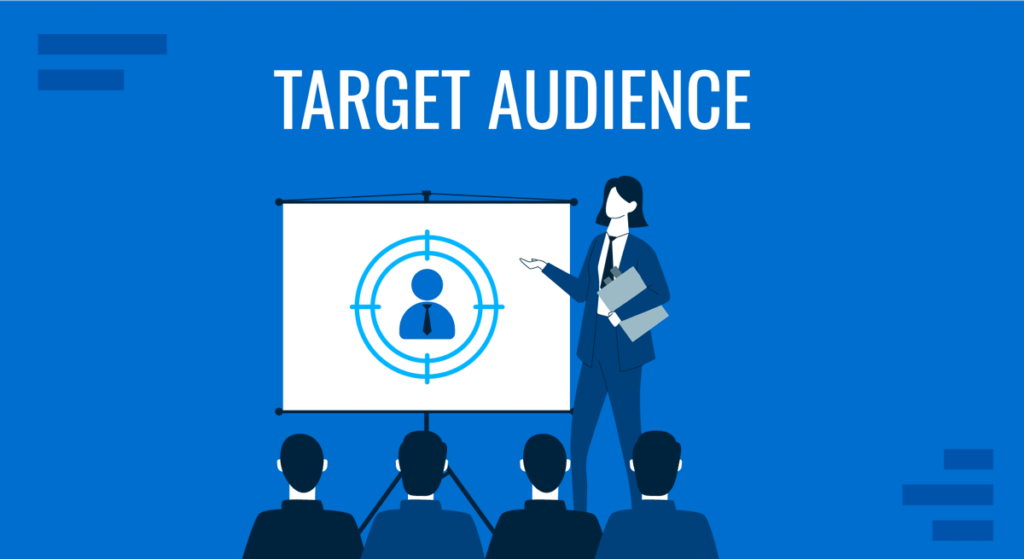
You cannot create useful content if you do not understand the people you are trying to reach.
A common mistake is creating content based entirely on what the creator wants to talk about. While your interests matter, successful content should also address the needs, questions, and challenges of your audience.
For example, a beginner looking for content creation advice may want simple explanations and practical examples. An experienced marketer may be more interested in advanced strategies, data, and detailed case studies.
How to Understand Your Audience
Research your audience before planning your content.
You can look at:
- Frequently asked questions
- Customer reviews
- Social media comments
- Online communities
- Search queries
- Competitor content
- Customer conversations
- Website analytics
The better you understand your audience, the easier it becomes to create content that people actually want to consume.
3. Focusing on Quantity Instead of Quality

Posting every day does not automatically mean your content strategy is working.
Some creators become so focused on publishing frequently that they sacrifice research, originality, accuracy, and usefulness. As a result, they end up with a large amount of content that does not provide much value.
Quality content does not necessarily mean extremely long content. It means content that answers the reader’s question clearly and gives them something useful.
What Makes Content High Quality?
Good content should generally be:
- Helpful
- Relevant
- Original
- Easy to understand
- Well researched
- Practical
- Written for a specific audience
- Organized for easy reading
Instead of asking, “How much content can I publish?”, ask, “How much value can I provide?”
That small change in mindset can significantly improve your content creation process.
Creating great content is only half the job when your goal is to attract organic traffic.
If your content is not optimized for the way people search for information, it may struggle to appear in search results.
However, SEO is not simply about adding keywords repeatedly. You also need to understand search intent—the reason behind a person’s search.
For example, someone searching for “content creation tools” may be looking for software recommendations, while someone searching for “how to create content” may be looking for a beginner’s guide.
How to Improve Your Content SEO
Before writing an article:
- Choose a relevant primary keyword.
- Research related search terms.
- Understand what users are looking for.
- Create a clear and descriptive title.
- Use relevant H2 and H3 headings.
- Answer common questions.
- Add useful internal links.
- Write descriptive meta information.
- Make the content easy to read.
Avoid forcing keywords into sentences where they do not naturally belong. Write for people first and optimize thoughtfully for search engines.
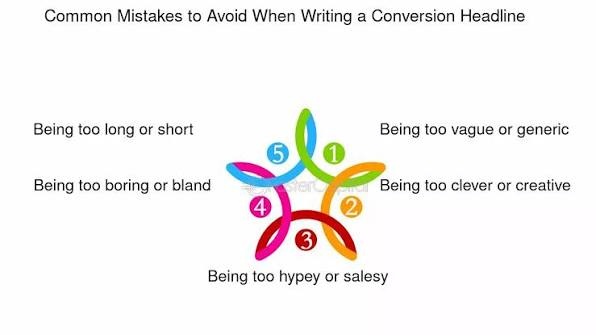
Your headline has an important job: it needs to convince the right person that your content is worth their time.
A vague headline can easily be ignored, even when the article itself contains valuable information.
For example:
Weak:
“Content Creation Tips”
Better:
“10 Content Creation Mistakes That Could Be Hurting Your Growth”
The second title tells readers exactly what they will learn and creates a reason to continue reading.
Tips for Better Headlines
- Clearly describe the topic.
- Communicate a benefit.
- Create curiosity without being misleading.
- Include the main keyword when appropriate.
- Match the actual content.
- Be easy to understand.
Avoid clickbait headlines that promise something your content does not deliver. A headline should attract the right audience, not simply generate clicks.
6. Making Every Piece of Content Promotional
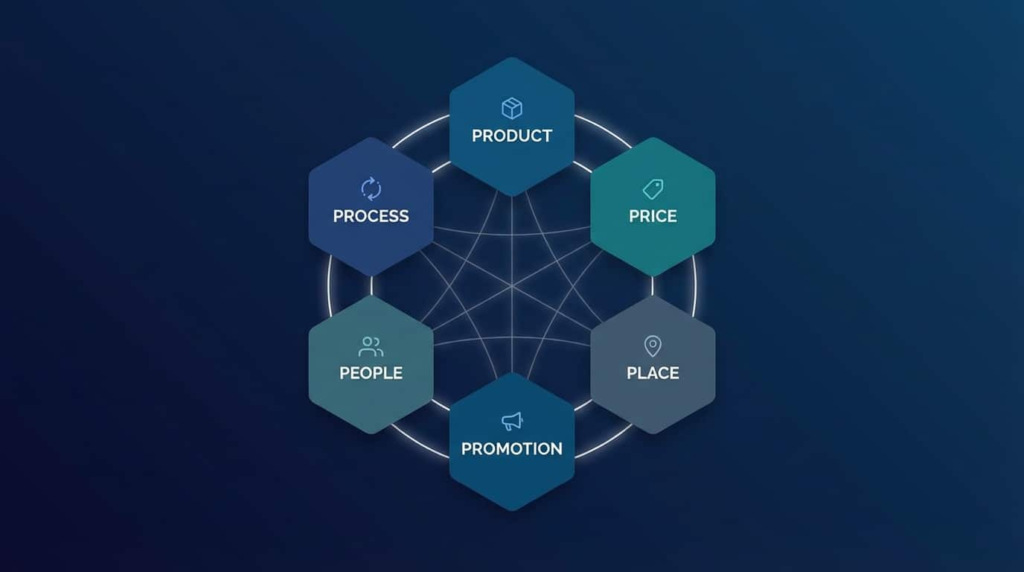
Nobody wants to feel like they are constantly being sold something.
If every blog post, video, or social media update focuses on your products or services, your audience may eventually stop paying attention.
People usually consume content because they want information, entertainment, inspiration, or solutions to their problems.
Use a Value-First Approach
Instead of constantly promoting your business:
- Answer common customer questions.
- Share practical tips.
- Explain complicated topics.
- Provide useful examples.
- Discuss industry problems.
- Share your experience.
- Teach your audience something new.
You can still promote your products or services, but do it naturally when they genuinely solve the problem being discussed.
Helpful content builds trust, and trust can eventually lead to conversions.
Even excellent information can perform poorly if it is difficult to consume.
Large blocks of text, unclear headings, complicated language, and poor formatting can cause readers to leave before reaching the most important information.
Online readers often scan content first. Good formatting helps them quickly understand what the page is about.
Make Your Content Easier to Read
Use:
- Short paragraphs
- H2 and H3 headings
- Bullet points
- Numbered lists
- Bold text for important ideas
- Examples
- Relevant images
- Clear spacing
- Simple language
Do not make every paragraph extremely short just for the sake of formatting. The goal is to create a comfortable reading experience.
Creating content takes time, but publishing it is not necessarily the end of the process.
A useful article or video can reach far more people when you distribute it through the channels where your audience spends time.
Ways to Promote Content
Depending on your audience, you can:
- Share articles on social media.
- Send useful content to your email subscribers.
- Turn blog posts into short-form videos.
- Create social media posts from key insights.
- Link to new articles from relevant older content.
- Collaborate with other creators.
- Participate in relevant online communities.
- Update and republish valuable older content.
One piece of content can often be repurposed into several different formats.
For example, a detailed blog post could become a LinkedIn post, an Instagram carousel, a short video, an email, and several social media updates.

Another mistake is creating content without checking whether it is actually working.
If you never look at your performance data, you may continue spending time on topics and formats that do not produce results.
Important Content Metrics to Track
The right metrics depend on your goals, but you may want to monitor:
- Organic website traffic
- Search impressions
- Click-through rate
- Search rankings
- Engagement
- Time spent on a page
- Email sign-ups
- Leads
- Conversions
- Social shares
- Returning visitors
Do not judge your entire strategy based on one metric.
For example, a blog post may receive fewer visitors but generate more leads than another article with higher traffic. Always connect your metrics to your actual goals.
10. Giving Up Too Early
Content creation is rarely an overnight success.

A new website may need time to build search visibility. A social media account may need consistent experimentation before discovering what its audience responds to. Even experienced creators have content that performs poorly.
Giving up after a few unsuccessful posts can prevent you from learning what works.
How to Stay Consistent
Instead of expecting every piece of content to become popular:
- Test different topics.
- Experiment with formats.
- Study your best-performing content.
- Learn from underperforming posts.
- Update older content.
- Improve your headlines.
- Listen to audience feedback.
- Keep improving your strategy.
Consistency does not mean blindly repeating the same thing. Smart consistency means creating, measuring, learning, and improving.
Avoiding mistakes is important, but a strong content creation process can make your work much more effective.

Start With Audience Problems
Find questions and problems that your target audience genuinely cares about.
The best content often begins with a simple question:
“What can I help my audience do better?”
Create Content Around Clear Topics
Avoid trying to cover everything at once. Build content around specific topics that are relevant to your audience and business.
This makes your content easier to organize and can help you establish expertise around important subjects.
Focus on Practical Value
Whenever possible, give readers something they can use.
Include:
- Examples
- Step-by-step instructions
- Checklists
- Tips
- Common mistakes
- Tools
- Practical solutions
Information becomes more valuable when people can actually apply it.

Content creation does not always mean creating something completely new.
Sometimes, updating an existing article can be more valuable than starting from scratch.
Review older content and look for:
- Outdated information
- Broken links
- Missing sections
- Weak introductions
- Poor headings
- Opportunities for internal links
- Questions that were not answered
Regular updates can help keep useful content relevant.
FAQ
What is the biggest content creation mistake?
One of the biggest mistakes is creating content without understanding your audience or having a clear goal. Without a strategy, you may spend a lot of time producing content that does not attract or help the right people.
How often should I create content?
There is no single publishing frequency that works for everyone. A better approach is to choose a schedule you can maintain while keeping your content useful and consistent. Quality and relevance are generally more important than publishing simply to hit a specific number.
Why is my content not getting traffic?
There can be several reasons. Your topic may have limited demand, the content may not match search intent, your website may have limited authority, your headline may not attract clicks, or your content may need better optimization and promotion.
How can I make my content more engaging?
Start by understanding what your audience wants. Use clear language, strong introductions, useful examples, descriptive headings, visuals where appropriate, and practical advice. Most importantly, focus on solving a real problem rather than simply filling a page.
Does SEO matter for content creation?
Yes, especially if you want to attract organic search traffic. SEO can help search engines understand your content and help users discover it. However, SEO should support useful content rather than replace it.