

Starting a business sounds exciting when you think about it, but when actuall Entrepreneurial Ysit down to begin, a lot of questions can come to mind: “Where should I start?” “Will people like my idea?” “What if I make a mistake?”
Honestly, feeling confused at the beginning is completely normal. You don’t need to have a perfect plan, a huge budget, or years of experience to take your first step. You just need an idea, some patience, and the willingness to learn.
Entrepreneurship is not always about having a brilliant idea. Sometimes, it’s simply about noticing a small problem and thinking, “Maybe I can find a better way to solve this.”
What Makes Someone an Entrepreneur?
An entrepreneur is someone who takes an idea and tries to turn it into something useful. That could be a business, product, service, or online venture.
For example, imagine you notice that small businesses around you struggle to create Instagram posts. If you’re good at writing or designing, you could offer them content or design services.
It’s a simple example, but that’s often how business ideas begin—with a problem, a skill, and a possible solution.
Human Thought
“You don’t have to start big. You just have to start with something that makes sense to you.”
Find an Idea That Feels Practical

Don’t choose a business idea just because it’s popular on social media.
Instead, ask yourself:
- What am I good at?
- What do I enjoy doing?
- What problems do people around me have?
- What skills could I turn into a service?
- Would someone actually pay for my solution?
For example, if you enjoy writing, you could explore content writing. If you enjoy cooking, you might think about a home-based food business. If you’re good with computers, you could explore digital services.
Your existing skills can sometimes be the best place to start.
Understand Your Customers
A common beginner mistake is thinking, “Everyone is my customer.”
In reality, it helps to know exactly who you’re trying to reach.
| Question | Example |
|---|---|
| Who are my customers? | Small business owners |
| What do they need? | Regular social media content |
| What problem do they have? | They don’t have enough time to create posts |
| What can I offer? | Content writing and post ideas |
| Why might they choose me? | Simple service and personal communication |
You don’t need complicated research to understand people. Talk to potential customers and listen to what they actually say.
Sometimes, a short conversation can give you a better business idea than spending hours thinking alone.
Don’t Be Afraid to Start Small
This is probably one of the most useful things a beginner can remember:
You don’t have to build the complete business on day one.
If you want to sell products, start with a few products.
If you want to offer a service, find your first few customers.
If you want to start an online business, test a simple version first.
Starting small gives you a chance to make mistakes without taking huge risks.
A Simple Example
Imagine you want to start a handmade gift business.
Instead of making 100 products immediately:
Start → Make 5–10 products → Show them to people → Get feedback → Improve → Expand
This approach is much easier to manage.
Learn to Listen to Customers

Your customers can tell you things that your business plan cannot.
Maybe you think customers will love one particular feature, but they don’t care about it. Meanwhile, they may repeatedly ask for something you never considered.
Pay attention to those little comments.
For example:
“I like your product, but I wish you offered a smaller size.”
That one sentence could give you an idea for your next product.
Customer feedback isn’t criticism. It’s information that can help you improve.
Understand Your Money
Before spending money on your business, make a simple list of your expected expenses.
| Business Expense | Example |
|---|---|
| Product/Material | ₹5,000 |
| Packaging | ₹1,000 |
| Marketing | ₹2,000 |
| Website/Tools | ₹1,000 |
| Other expenses | ₹1,000 |
These are only example figures. Actual costs depend on your business.
The important thing is to understand where your money is going.
Don’t spend money just because other businesses are doing something. Ask yourself, “Will this actually help my business?”
That one question can prevent unnecessary spending.
Create a Brand That Feels Real

When people hear “branding,” they often think about logos and colors.
But your brand is much more than that.
Your brand is also how you speak to customers, how you solve problems, how you present your work, and how people feel after dealing with you.
You don’t need an expensive logo when you’re just starting.
Focus on:
- Clear communication
- Good service
- Consistent quality
- Honest information
- A simple visual identity
- A memorable business name
A professional-looking business is nice, but a trustworthy business is even better.
Use Social Media Naturally

Social media can help a new business reach people without spending a huge amount of money.
But don’t make every post sound like:
“BUY NOW! LIMITED OFFER! BUY NOW!”
People get tired of constant selling.
Instead, share useful and interesting things.
You can post:
- Behind-the-scenes moments
- Customer questions
- Helpful tips
- Product demonstrations
- Your business story
- Mistakes you’ve learned from
- Customer feedback
For example, if you sell handmade candles, don’t just post a picture of the candle. Tell people how you made it, why you chose the fragrance, or what inspired the product.
Small stories make a business feel more human.
Learn From Your Mistakes

Let’s be honest: something will probably go wrong.
Maybe your first product doesn’t sell well. Maybe your advertisement gets no response. Maybe you choose the wrong price.
It can feel disappointing.
But instead of thinking:
“I’m bad at business.”
Try thinking:
“Okay, that didn’t work. What can I learn from it?”
That small change in thinking can make a huge difference.
A failed attempt isn’t always wasted effort. Sometimes it shows you what to change next.
Simple Entrepreneurial Journey Table
| Stage | What You Should Do | Human Thought |
|---|---|---|
| Idea | Find a useful problem | “Does this solve something real?” |
| Research | Study customers and competitors | “What are people already using?” |
| Planning | Write a simple business plan | “How will this actually work?” |
| Testing | Start with a small version | “Let’s see what people think.” |
| Feedback | Talk to customers | “What can I improve?” |
| Marketing | Reach your audience | “Where do my customers spend time?” |
| Growth | Improve gradually | “What should I do better next?” |
Humanized Words and Phrases You Can Use

Instead of using formal or robotic words again and again, use simple conversational phrases.
Natural Human Phrases for Your Article
You can naturally add phrases such as:
- “Let’s be honest…”
- “You might be wondering…”
- “Here’s the thing…”
- “In real life…”
- “From my point of view…”
- “This may sound simple, but…”
- “You don’t have to get it right the first time.”
- “It’s completely okay to start small.”
- “We’ve all been there.”
- “Don’t be too hard on yourself.”
- “Sometimes the simplest idea works best.”
- “Take a step back and look at the situation.”
- “Pay attention to the small details.”
- “That’s where the real learning begins.”
- “You won’t know until you try.”
A Simple 30-Day Starting Plan
If you’re completely new to entrepreneurship, don’t try to do everything in one day.
| Days | Focus | Simple Action |
|---|---|---|
| 1–5 | Find an idea | Write down 3–5 business ideas |
| 6–10 | Research | Study customers and competitors |
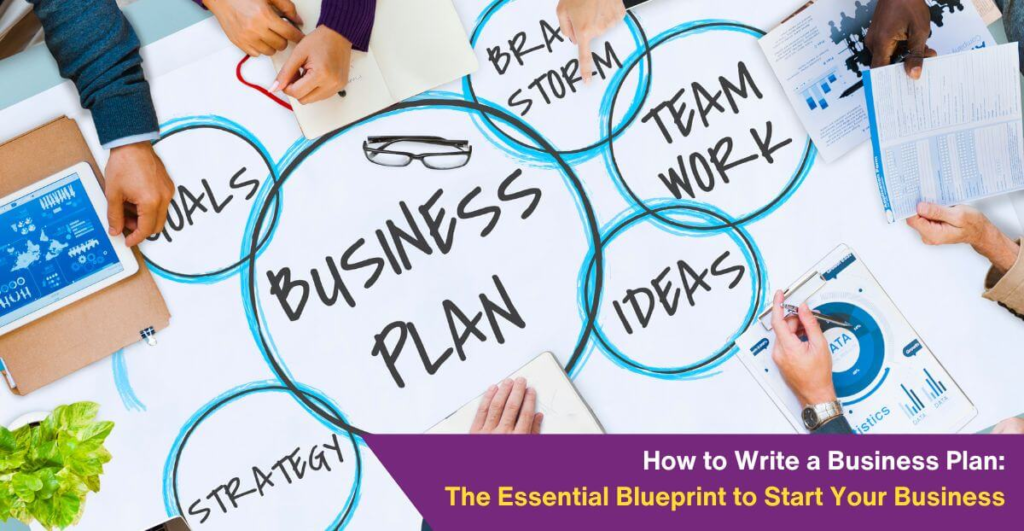
| 11–15 | Planning | Create a simple business plan |
| 16–20 | Testing | Create a small version of your idea |
| 21–25 | Feedback | Talk to potential customers |
| 26–30 | Improvement | Make changes based on feedback |
This kind of approach keeps things simple, realistic, and less overwhel
FAQ’S
1. What is the first step in starting an entrepreneurial journey?
The first step is to find a problem that people need help solving. Think about your skills, interests, and everyday problems around you, then look for a practical business idea.
2. Can I start a business without a lot of money?
Yes. Many businesses can be started on a small budget, especially service-based and online businesses. Start with what you already have and grow gradually as you gain customers.
3. How do I know if my business idea is good?
Talk to potential customers and ask about their needs. You can also test your idea on a small scale before investing a lot of money. Real feedback is often the best way to understand whether an idea has potential.
4. Do I need business experience to become an entrepreneur?
No. You don’t need to know everything from the beginning. Entrepreneurship is a learning process, and practical experience can teach you many things as you build your business.
5. What skills are important for a beginner entrepreneur?
Some useful skills include communication, problem-solving, basic financial management, marketing, time management, and customer service. You can develop these skills step by step.