

ntrepreneurship means identifying an opportunity and creating a product or service that solves a problem or meets a customer need.
An entrepreneur takes an idea and works to turn it into a practical business. This can include researching customers, creating an offer, setting prices, marketing the business, managing finances, and improving the product or service.
For example, a person who notices that small businesses need help with social media could start a social media management business. Someone who enjoys writing could offer content writing services to websites and companies.
Entrepreneurship can be started in many industries, including technology, education, food, fashion, healthcare, digital marketing, e-commerce, and professional services.
Why Is Entrepreneurship Important?

Entrepreneurship plays an important role in creating new products, services, and employment opportunities.
A successful entrepreneur can solve problems while creating value for customers. Small businesses can also contribute to local communities and economies.
Some major benefits of entrepreneurship include:
- Creating new business opportunities
- Developing innovative products and services
- Creating employment
- Solving customer problems
- Building professional skills
- Creating opportunities for financial growth
- Encouraging creativity and innovation
However, entrepreneurship also comes with responsibility and risk. A good business requires research, planning, and continuous improvement.
Who Can Become an Entrepreneur?
There is no single type of person who can become an entrepreneur. Students, professionals, freelancers, creators, and people with work experience can all explore entrepreneurship.
You do not need to know everything before starting.
What matters is your willingness to learn, experiment, solve problems, and adapt.
If you have a useful skill or understand a problem that people are willing to pay to solve, you may have the foundation for a business idea.
How to Find a Good Business Idea
Finding the right business idea is one of the first challenges for a beginner.
Instead of asking only, “What business should I start?”, ask:
“What problem can I solve for people?”
Start by looking at:
- Problems people experience regularly
- Services that are difficult to find
- Products customers want
- Skills you already have
- Your interests and hobbies
- Gaps in existing businesses
- Problems you have personally experienced
10 Business Ideas for Beginners
If you are searching for business ideas for beginners, consider these possibilities:
1. Content Writing
Businesses need blog posts, website content, product descriptions, and social media content.
2. Social Media Management
You can help small businesses plan and manage their social media content.
3. Digital Marketing Services
SEO, email marketing, content marketing, and online promotion are useful services for businesses.
4. Online Tutoring
If you have expertise in a subject, you can provide educational support online.
5. Graphic Design
Designers can create logos, social media graphics, presentations, and marketing materials.
6. Photography and Video Services
Businesses and individuals may need photography or video content for websites and social media.
7. E-commerce
An online store can be used to sell physical products, depending on the market and business model.
8. Handmade Products
Creative products can be sold through online platforms, local markets, or a dedicated store.
9. Digital Products
Templates, guides, educational resources, and other digital products can be sold online.
10. Freelance Services
If you have a professional skill, freelancing can be a practical way to start offering services to customers.
Before choosing an idea, research the market demand, competition, costs, and potential customers.
Understand Your Target Audience
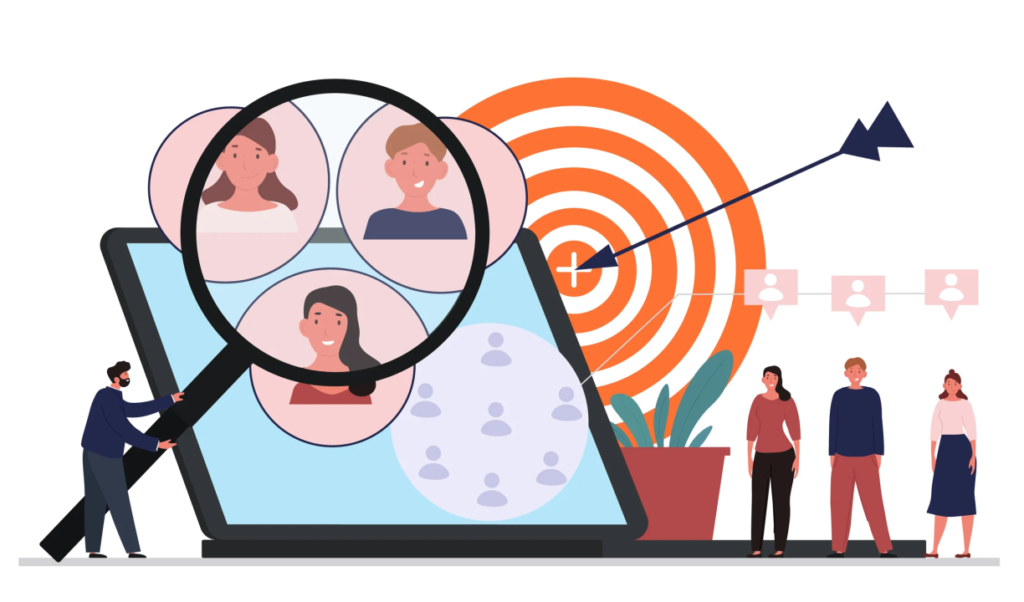
A business cannot succeed by trying to sell to everyone.
Your target audience is the specific group of people most likely to need your product or service.
Ask yourself:
- Who are my ideal customers?
- What problem do they have?
- What solution are they looking for?
- How much are they willing to pay?
- Where do they search for information?
- What factors influence their buying decisions?
Understanding your audience can help you create better products and more effective marketing.
Research Your Competition
Competition is a normal part of business. Instead of avoiding competitors, study them.
Look at their:
- Products and services
- Prices
- Customer reviews
- Website
- Social media
- Marketing strategy
- Strengths
- Weaknesses
Your goal is not to copy another business. Look for ways to offer better value or a different experience.
You might provide faster service, better communication, a simpler solution, a specific niche, or a more convenient customer experience.
Create a Simple Business Plan
A business plan gives your idea direction.
As a beginner, you can start with a simple plan containing:
Business idea: What are you offering?
Target audience: Who will buy it?
Customer problem: What problem are you solving?
Solution: How does your product or service help?
Pricing: How will you charge customers?
Marketing: How will people discover your business?
Expenses: What will you need to spend?
Goals: What do you want to achieve?
A simple plan can help you understand whether your idea is practical before you invest significant time or money.
Start Small and Test Your Idea
One of the most useful tips for new entrepreneurs is to start small.
You do not always need to invest heavily before knowing whether customers want your product or service.
Create a basic version of your offer and test it with a small group of potential customers.
Pay attention to their feedback.
If customers repeatedly ask for a particular feature or improvement, that information can help you refine your business.
This approach is often called testing or validating a business idea.
Learn Basic Business and Financial Skills
You do not need to be a financial expert, but you should understand basic business numbers.
Keep track of:
- Revenue
- Expenses
- Profit
- Pricing
- Marketing costs
- Operating costs
- Cash flow
Knowing where your money comes from and where it goes can help you make better business decisions.
For tax, legal, or financial matters specific to your location, it is wise to consult a qualified professional.
Build Your Brand
Your brand is more than a logo. It is the overall identity and experience people associate with your business.
A strong brand should clearly communicate:
- What you offer
- Who you help
- Why customers should choose you
- What makes your business different
Choose a clear business name, consistent visual identity, and professional communication style.
Most importantly, make sure your brand promise matches the actual customer experience.
Build an Online Presence
In today’s digital world, an online presence can help a small business reach potential customers.
Depending on your business, you may use:
- A website
- Social media
- Business listings
- Email marketing
- Online marketplaces
- Professional networking platforms
Your online profile should clearly explain your service or product, show examples of your work when appropriate, and make it easy for customers to contact you.
Learn Digital Marketing
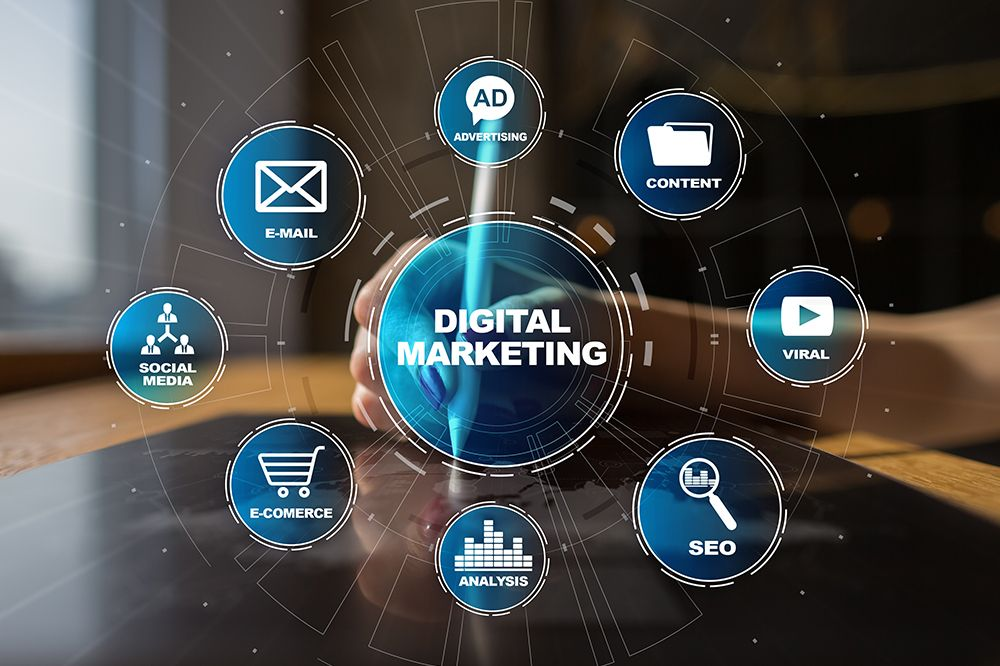
Digital marketing can help businesses attract and communicate with customers online.
Important areas include:
- SEO
- Content marketing
- Social media marketing
- Email marketing
- Online advertising
- Analytics
For example, SEO can help a website appear when people search for relevant information or services.
Content marketing can build trust by providing useful information instead of focusing only on selling.
Develop Essential Entrepreneurship Skills
Successful entrepreneurs continuously improve their skills.
Some of the most useful entrepreneurship skills include:
Communication: Helps you explain ideas and work with customers.
Problem-solving: Helps you find solutions when challenges appear.
Time management: Helps you prioritize important tasks.
Leadership: Helps you guide and motivate a team.
Financial awareness: Helps you understand costs, revenue, and profitability.
Negotiation: Helps you communicate effectively with customers, suppliers, and partners.
Adaptability: Helps you respond when markets or customer needs change.
You do not need to master all these skills immediately. Develop them gradually through practice and experience.
Common Mistakes New Entrepreneurs Should Avoid
Starting a business involves learning from mistakes. However, beginners can reduce unnecessary problems by avoiding common mistakes.
Ignoring customer research: A good idea still needs real demand.
Spending too much too early: Test your idea before making large investments.
Trying to serve everyone: A specific target audience can make your marketing clearer.
Ignoring customer feedback: Feedback can show you what needs improvement.
Underpricing your work: Your pricing should consider your time, costs, and the value you provide.
Expecting instant success: Building a business usually takes time.
Failing to adapt: Customer needs and markets can change.
How to Get Your First Customers
Getting your first customers can be one of the hardest parts of starting a business.
Begin with people who may genuinely need your product or service.
You can:
- Build a professional online profile
- Share useful content
- Contact potential customers respectfully
- Use your existing network
- Offer a clear introductory service
- Ask satisfied customers for referrals
- Build a portfolio of your work
Focus on providing a good customer experience rather than simply trying to make a quick sale.
How to Grow Your Business
Once you have customers and understand what works, you can think about business growth.
Growth strategies may include:
- Improving your product
- Adding complementary services
- Reaching new customer groups
- Increasing marketing efforts
- Building partnerships
- Hiring employees
- Automating repetitive work
- Improving customer support
Do not rush growth. Expanding should be based on actual demand and your ability to manage the additional work and costs.
The Role of Technology in Entrepreneurship

Technology has made it easier for small businesses to operate and reach customers.
Entrepreneurs can use digital tools for:
- Communication
- Marketing
- Customer management
- Research
- Accounting
- Productivity
- Content creation
- Online sales
Artificial intelligence is also becoming increasingly useful for brainstorming, research assistance, automation, and other business tasks.
However, business owners should review AI-generated information, protect sensitive data, and use technology responsibly.
How to Become a Successful Entrepreneur
There is no guaranteed formula for success, but beginners can follow a practical process:
Step 1: Identify a problem.
Step 2: Develop a possible solution.
Step 3: Research your target customers.
Step 4: Study your competition.
Step 5: Create a simple business plan.
FAQs
1. How can a beginner start a business?
Start by identifying a problem, choosing a business idea, researching customers and competitors, creating a simple plan, and testing your idea on a small scale.
2. What is entrepreneurship in simple words?
Entrepreneurship means starting and managing a business by creating a product or service that solves a problem or meets a customer need.
3. What are the best business ideas for beginners?
Service-based businesses such as content writing, tutoring, graphic design, social media management, digital marketing, and freelancing can be options, depending on your skills and market demand.
4. Do I need a lot of money to become an entrepreneur?
Not necessarily. Some businesses can start with limited resources, while others require significant investment. The cost depends on the business model.
5. What skills should an entrepreneur learn?
Important skills include communication, problem-solving, marketing, financial awareness, time management, negotiation, leadership, and adaptability.