
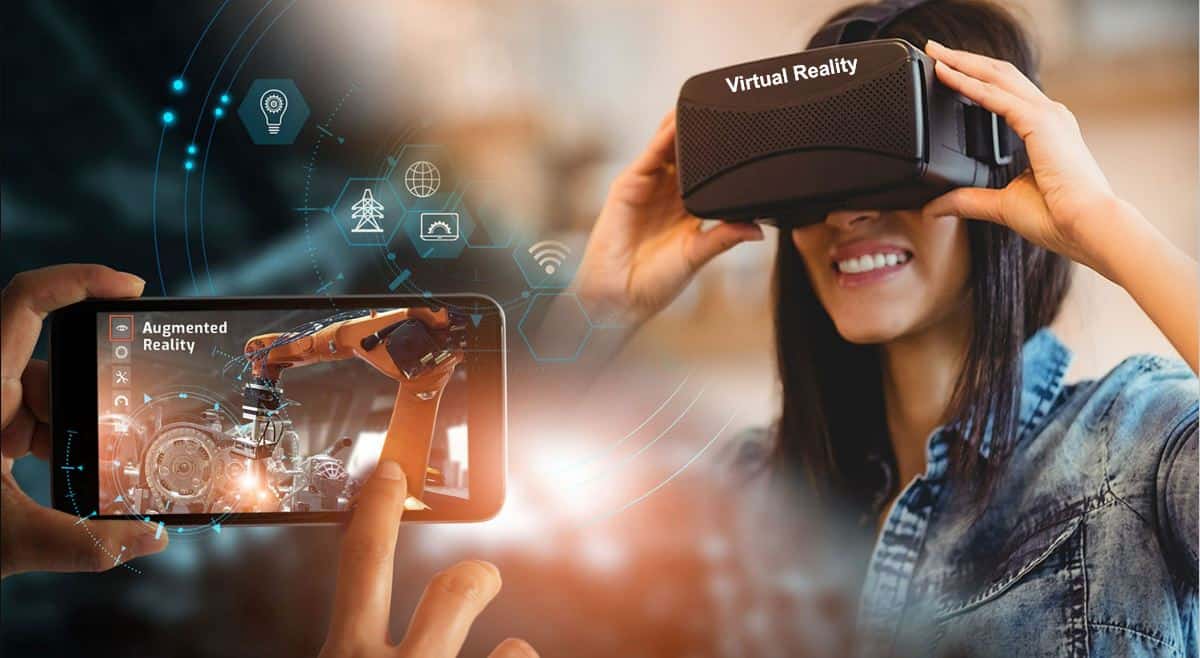
echnology is changing quickly, and Virtual Reality (VR) and Augmented Reality (AR Technology) are two technologies that are making that change feel much more real. You may have already seen people wearing VR headsets, playing immersive games, or using their phones to place digital objects into the real world.
At first, VR and AR can sound complicated. But the basic idea is actually quite simple: VR creates a digital world around you, while AR adds digital information to the world you are already seeing.
Let’s understand both technologies in simple, everyday language.
What Is Virtual Reality (VR)?
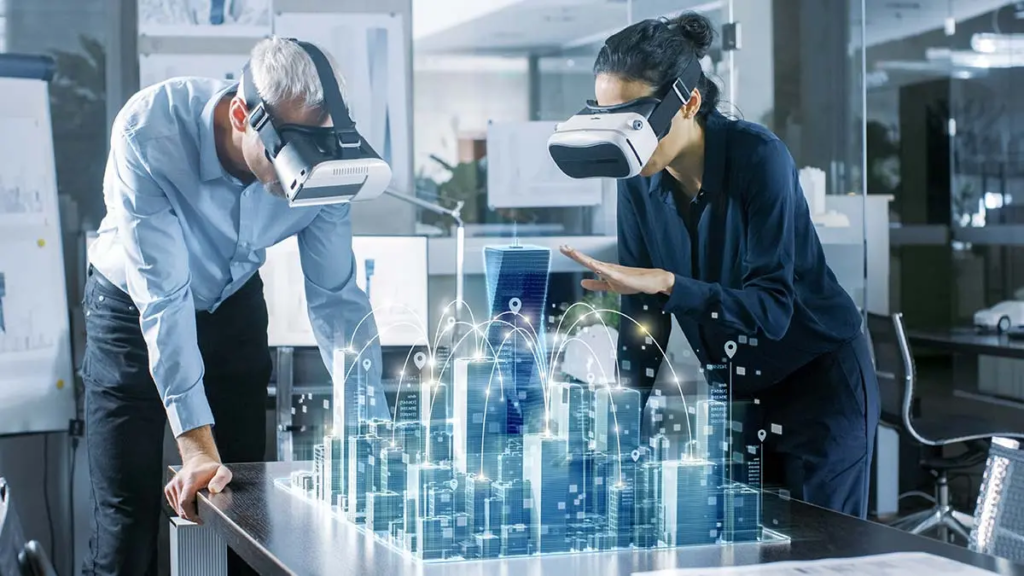
Virtual Reality, commonly called VR, creates a computer-generated environment that you can experience as if you were inside it.
Usually, you use a VR headset to enter this digital environment. Once you’re wearing it, you may be able to look around, move through a virtual space, play games, explore places, or interact with digital objects.
Think of it this way: instead of looking at a screen from the outside, VR tries to put you inside the experience.
For example, imagine exploring a virtual museum from your home. You can look around the digital building and examine different exhibits without physically being there.
That’s what makes VR feel so different from traditional technology.
What Is Augmented Reality (AR)?
Augmented Reality, or AR, works a little differently.
Instead of replacing your surroundings, AR adds digital elements to the real world.
You might have already experienced AR through a smartphone camera. Some apps can show digital objects, filters, directions, or information over the image from your camera.
For example, imagine pointing your phone at a table and seeing a digital model of a chair appear on it. The table and room are still real, but the digital chair has been added to your view.
That’s AR in a nutshell.
VR vs. AR: What’s the Difference?
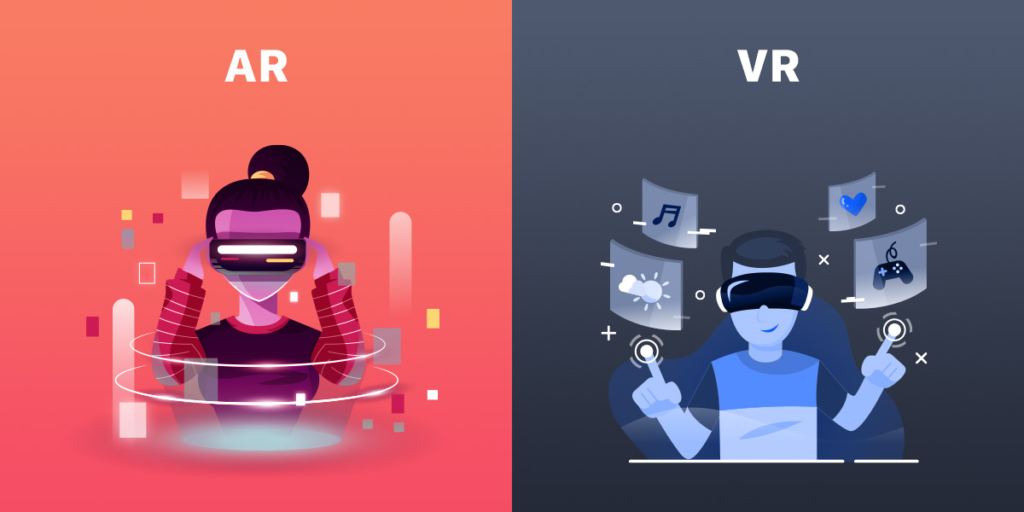
The easiest way to remember the difference is:
VR replaces your surroundings. AR adds to your surroundings.
| Feature | Virtual Reality (VR) | Augmented Reality (AR) |
|---|---|---|
| Main idea | Creates a virtual environment | Adds digital elements to the real world |
| Common device | VR headset | Smartphone, tablet, AR glasses |
| Real world visible? | Usually limited or replaced | Yes |
| Experience | Fully immersive | Partly immersive |
| Common uses | Gaming, training, simulations | Navigation, shopping, education |
| Simple example | Exploring a virtual museum | Seeing a digital chair in your room |
A Simple Way to Remember
VR = Step into another world.
AR = Add digital things to your world.
VR may look like magic when you first see it, but there is a lot of technology working behind the scenes.
A VR headset typically uses screens, sensors, cameras, and motion tracking to create an immersive experience.
When you move your head, the virtual environment responds to your movement. This helps create the feeling that you’re actually looking around inside a different space.
Some VR systems can also track hand movements or use controllers, allowing users to interact with virtual objects.
The goal is simple: make the digital environment respond naturally to your movements.
How Does AR Technology Work?
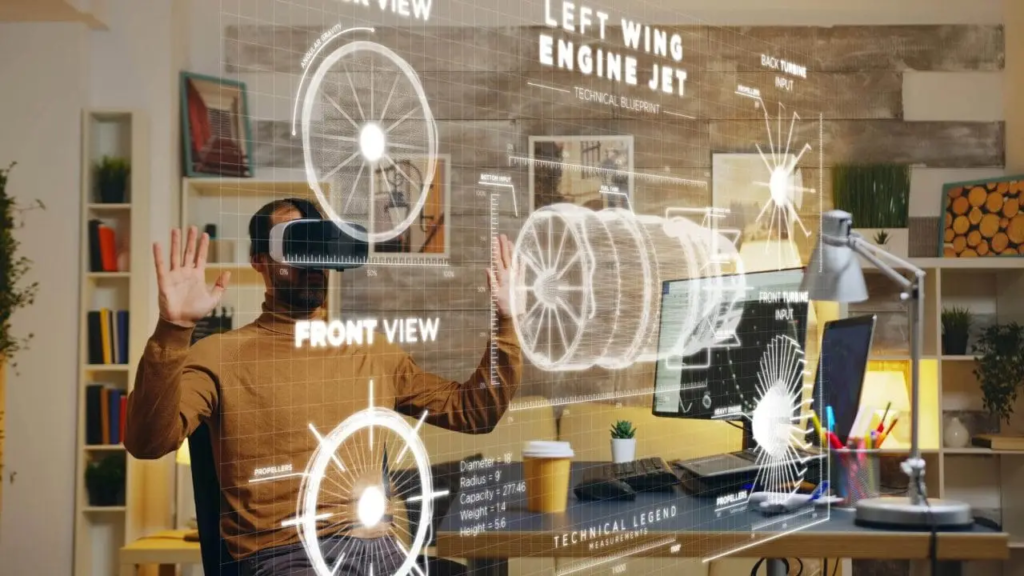
AR uses cameras, sensors, software, and sometimes special glasses to understand the environment around you.
The technology identifies surfaces or objects and places digital information in the appropriate position.
For example, an AR shopping app might allow you to see how a piece of furniture could look in your room before buying it.
This can be useful because you’re not just looking at a product image—you are seeing how it might fit into your own space.
Where Are VR and AR Used?
VR and AR are no longer limited to entertainment. They are finding their way into many different areas.
Gaming and Entertainment
Gaming is probably one of the easiest places to see the potential of VR and AR.
VR can make games feel more immersive by placing players inside virtual environments.
AR can combine digital experiences with the real world, creating a different style of gameplay.
The interesting part is that you’re not simply watching the experience—you can interact with it.
Education

VR and AR can make learning more interactive.
Imagine studying the solar system and being able to explore a virtual model of planets instead of only looking at pictures in a textbook.
Students could also use virtual environments to explore historical locations, scientific concepts, or complex 3D models.
| Traditional Learning | VR/AR Learning |
|---|---|
| Read about a topic | Explore a digital environment |
| Look at pictures | Interact with 3D objects |
| Watch demonstrations | Experience simulations |
| Mostly screen-based | More interactive |
This doesn’t mean VR and AR will replace teachers or books. Instead, they can become additional tools that make certain topics easier to understand.
VR and AR in Healthcare
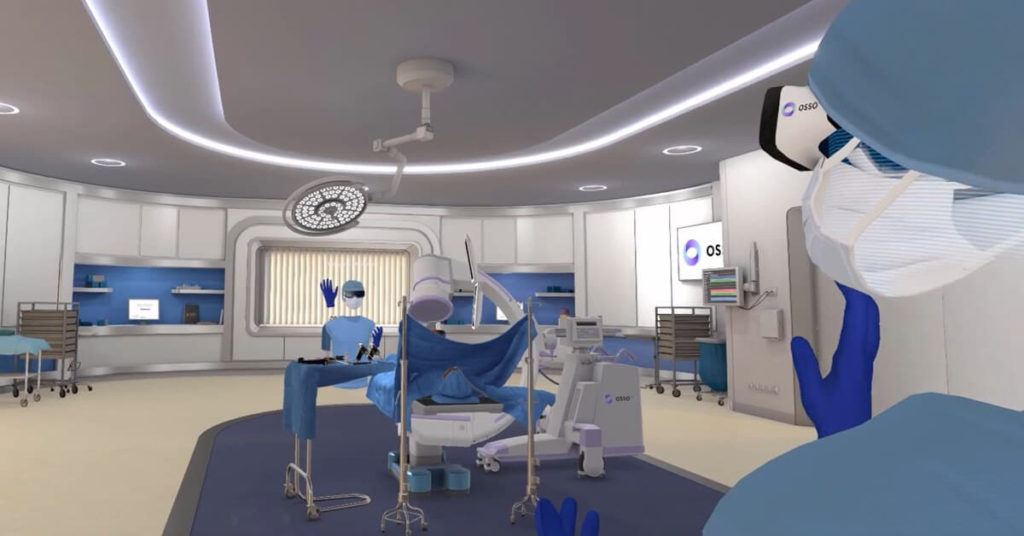
Healthcare is another area where immersive technology can be useful.
VR can be used for training, simulations, and educational experiences. Medical students, for example, can practice certain scenarios in controlled virtual environments.
AR can also provide digital information while professionals work with real-world objects or environments.
The technology is still developing, but its potential is interesting because learning through realistic simulation can provide a different kind of experience than reading instructions alone.
VR and AR in Shopping
Have you ever bought something online and wondered, “Will this actually look good in my room?”
AR can help answer questions like this.
Some shopping experiences allow customers to see digital versions of products in their surroundings before making a purchase.
This could be useful for furniture, home decoration, fashion, and other products.
Instead of simply imagining what something might look like, customers can preview it in a more realistic context.
VR and AR in Travel
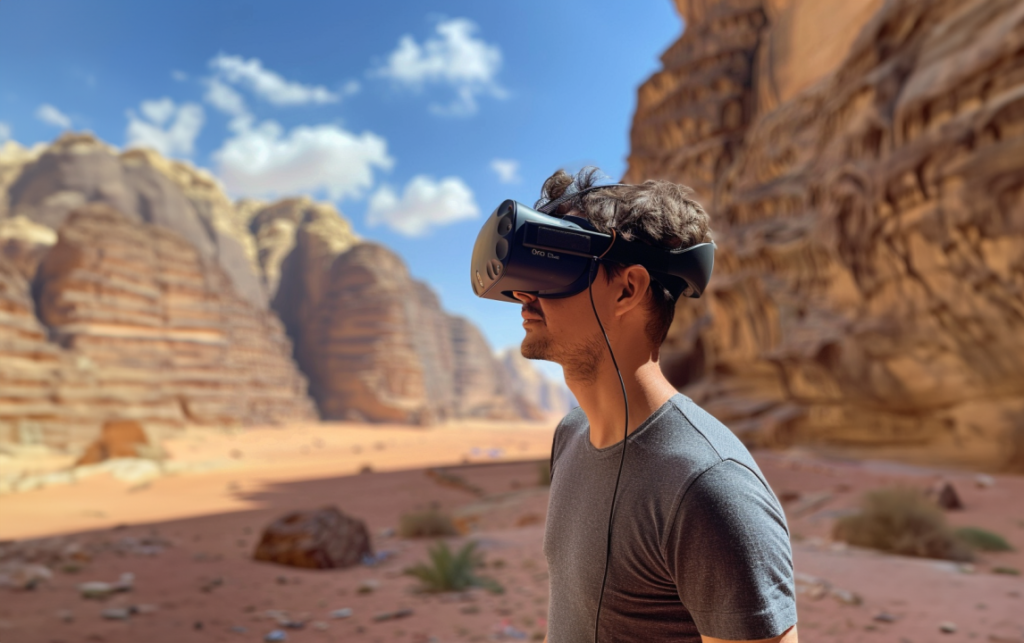
Travel is another area where immersive technology can make things interesting.
VR can provide virtual tours of places before someone decides to visit them.
Imagine sitting at home and exploring a famous landmark virtually. It doesn’t replace actually being there, of course, but it can give you a small window into the experience.
AR can also provide information about places while you’re exploring them in person.
For example, an AR application could display information about a historical building when you point your phone toward it.
VR and AR in Training
One of the most practical uses of VR is training.
Some jobs involve situations that can be expensive, difficult, or risky to recreate in real life. A virtual simulation can provide a controlled environment for practice.
This can be useful in areas such as technical training, aviation, manufacturing, and other professional environments.
The biggest advantage is that learners can practice scenarios and understand procedures without always needing a real-world setup.
Benefits of VR and AR
VR and AR can offer several interesting benefits.
| Benefit | How It Helps |
|---|---|
| Immersion | Makes digital experiences feel more engaging |
| Interaction | Allows users to interact with digital content |
| Visualization | Makes complex ideas easier to see |
| Training | Provides realistic practice environments |
| Convenience | Can bring certain experiences to users remotely |
| Engagement | Can make learning and entertainment more interactive |
Of course, these technologies aren’t perfect. They can be expensive, require suitable hardware, and may not be necessary for every situation.
Challenges of VR and AR
Like any technology, VR and AR have some limitations.
Cost can be a barrier because good hardware and software may require investment.
There can also be technical limitations, such as battery life, processing requirements, connectivity, or the need for suitable software.
Another important consideration is comfort and user experience. Some people may find extended use of VR uncomfortable.
Privacy is also worth thinking about because immersive devices can involve cameras, sensors, and other data.
So while the future looks exciting, responsible development and thoughtful use are important too.
What Does the Future of VR and AR Look Like?
It’s difficult to predict exactly what VR and AR will look like several years from now.
But one thing seems clear: immersive technology is becoming more interesting and more capable.
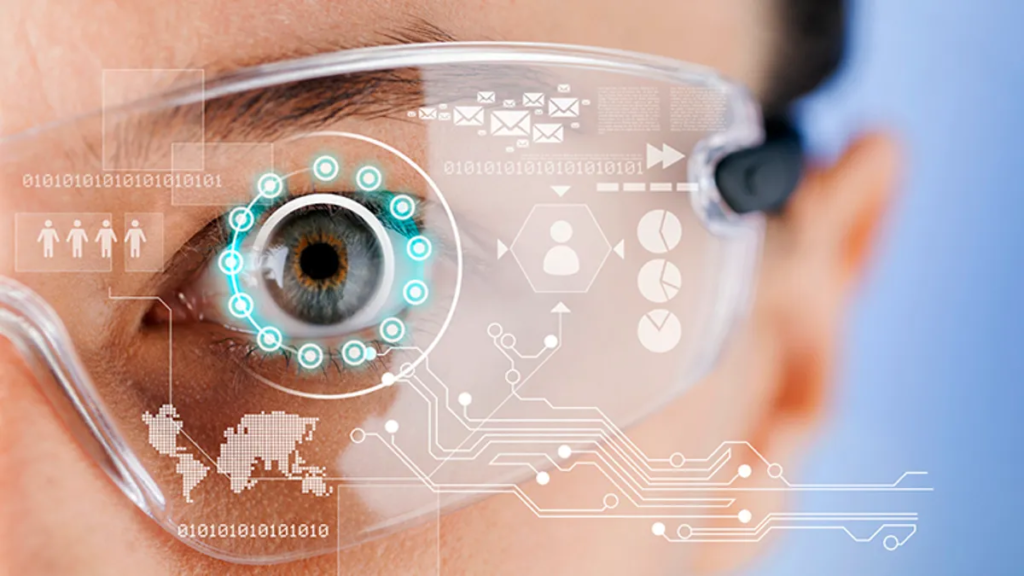
Future devices may become smaller, lighter, more comfortable, and easier to use. AR glasses could potentially become more practical for everyday tasks, while VR could continue developing in gaming, education, training, and other fields.
Imagine looking at a machine and seeing helpful digital instructions appear beside it. Or imagine learning about ancient history by exploring a virtual recreation of a historical location.
These ideas show why people are so interested in immersive technology.
Human Thoughts About VR and AR
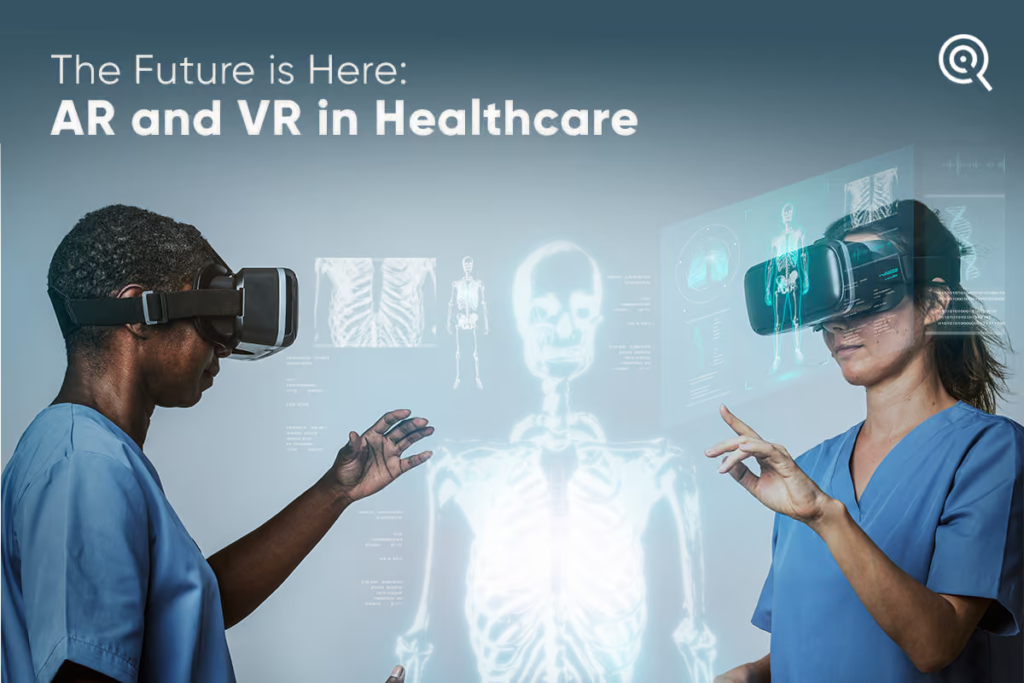
What makes VR and AR interesting isn’t simply the technology itself. It’s what people can do with it.
Think about how quickly smartphones became part of everyday life. At first, many people wondered why they needed them. Today, we use them for communication, learning, shopping, entertainment, navigation, and much more.
VR and AR may follow a similar path—or they may develop in completely different ways.
The important thing is not to assume that every new technology will become essential. The real value comes from whether it solves a genuine problem or creates a genuinely useful experience.
Simple Examples of VR and AR in Everyday Life

| Situation | VR Example | AR Example |
|---|---|---|
| Education | Explore a virtual science lab | View a 3D model through a phone |
| Shopping | Visit a virtual showroom | Place furniture digitally in your room |
| Travel | Take a virtual tour | View information about landmarks |
| Gaming | Enter a virtual game world | Add digital objects to real surroundings |
| Training | Practice in a simulation | View digital instructions over equipment |
FAQ’S
1. What is Virtual Reality (VR)?
Virtual Reality (VR) is a technology that creates a computer-generated environment and makes you feel like you are inside a different digital world. It commonly uses a headset with displays and motion tracking.
2. What is Augmented Reality (AR)?
Augmented Reality (AR) adds digital content—such as images, information, or 3D objects—to the real world. AR can work through smartphones, tablets, smart glasses, and other compatible devices.
3. What is the difference between VR and AR?
The easiest way to remember it is:
VR takes you into a digital world, while AR adds digital content to the real world. VR is designed for greater immersion, whereas AR keeps your physical surroundings visible.
4. What are some common uses of VR?
VR is used for gaming, education, training, simulations, entertainment, and virtual experiences. Its immersive nature makes it useful for situations where people can benefit from exploring or practicing in a simulated environment.
5. What are some common uses of AR?
AR is used in areas such as education, shopping, navigation, healthcare, entertainment, and workplace applications. It can provide digital information while users continue interacting with their physical surroundings.