

Let’s be honest for a second. Most health guides feel like they were written by an alien who has never experienced a stressful Monday, an unexpected deadline, or the pure joy of fresh, hot gulab jamun or homemade Wellness halwa.
We’re constantly told to transform overnight: wake up at 4:30 AM, drink green juice that tastes like lawn clippings, lift heavy weights for two hours, and meditate until we transcend reality. But here is the truth: extreme overhauls almost always crash and burn. Real wellness isn’t about perfection; it’s about making kind, smart, consistent choices that fit into your actual life.
Whether you’re trying to reclaim your energy, sleep like a log, or simply stop feeling like you’re running on empty, this guide breaks down the four pillars of real-life health—with zero judgment and plenty of practical warmth.
1. Practical Nutrition: Nourishing Without Rules
Food should give you energy, support your immune system, and bring you joy. The moment a diet makes you feel guilty for enjoying a family treat or a sweet dish, it has lost the plot. Instead of cutting out half of your kitchen, try focusing on crowding in the good stuff.
A simple guide to balanced, whole-food nutrition.. Source: nTaash / Getty Images
The 80/20 Balance
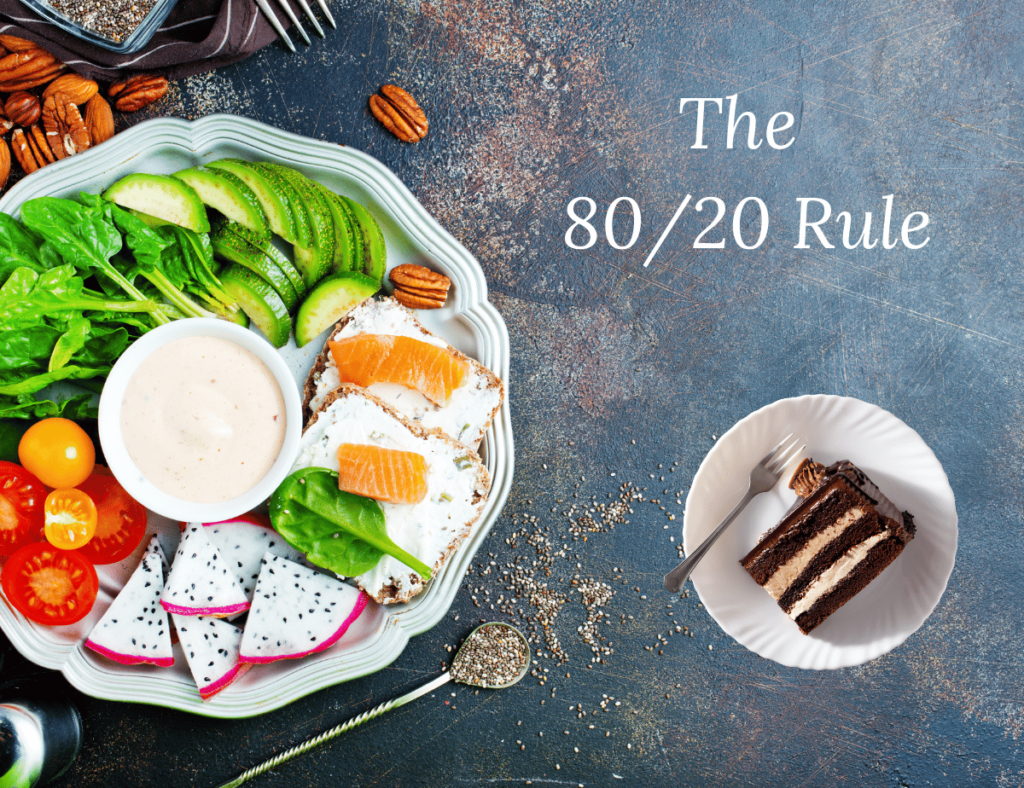
If 80% of what you eat comes from whole, minimally processed foods—think vibrant vegetables, fruits, lentils, eggs, quality grains, and healthy fats—the remaining 20% leaves plenty of room for birthday cake, festive sweets, and pizza with friends.
Here is a quick breakdown of how to think about your daily plate:
| Fuel Group | What It Does for You | Simple Daily Targets | Easy Real-Food Sources |
|---|---|---|---|
| Protein | Builds muscle, repairs tissue, keeps you full | ~1.2 to 1.6g per kg body weight | Eggs, paneer, chicken, fish, lentils, tofu, Greek yogurt |
| Fiber & Greens | Feeds good gut bacteria, smooths out digestion | 25 to 30 grams daily | Leafy greens, beetroot, apples, oats, chia seeds, beans |
| Healthy Fats | Balances hormones, supports brain clarity | 1 to 2 small thumb-sized portions | Nuts, seeds, ghee, olive oil, avocado, fatty fish |
| Complex Carbs | Sustained energy, fuels workout power | Adjusted to your activity levels | Brown rice, sweet potatoes, whole wheat, quinoa |
Pro-tip: Start your morning with a large glass of plain water before grabbing your tea or coffee. Your body dehydrates overnight, and a simple glass of water acts like a gentle wake-up call for your digestive system.
UCF Health
2. Joyful Movement: Workouts You Actually Enjoy
Exercise shouldn’t feel like a punishment for what you ate yesterday. It is a celebration of what your body can do.
idp ielts
If going to a traditional gym feels like a chore, don’t force it. The secret to long-term fitness is finding movement that makes you smile. Love dancing to high-energy music in your living room? Do that. Enjoy brisk evening walks through the neighborhood park with a great playlist or a podcast? Perfect.
idp ielts
How morning light sets your circadian clock.. Source: marekuliasz / Getty Images
The 4 Elements of a Healthy Movement Routine
- Daily Steps (NEAT): Non-Exercise Activity Thermogenesis is a fancy term for moving your body throughout the day—taking stairs, carrying groceries, dancing with your kids, or pacing while talking on the phone. Aiming for 7,000–10,000 steps daily often does more for your heart than 30 minutes on a treadmill. idp ielts
- Strength & Resistance: Muscle is your metabolic armor. Strength training 2–3 times a week (bodyweight squats, push-ups, or resistance bands) keeps your bones strong and joints pain-free as you age. UCF Health
- Zone 2 Cardio: This is low-intensity, steady movement where you can easily hold a conversation. It trains your body to burn fat efficiently and builds a robust heart. idp ielts
- Stretching & Mobility: Spend 5 minutes every evening unspooling the tight spots—your neck, lower back, and hip flexors.
3. Sleep & Rest: The Ultimate Reset Button

You can eat all the kale in the world and lift heavy weights, but if you’re only sleeping 5 hours a night, your body is constantly running uphill with the brakes on. Deep sleep is when your brain flushes out metabolic waste, repairs tissues, and balances your hunger hormones.
Healthline+ 1
Your Sleep Sanctuary Playbook
| Time Frame | Action Step | Why It Works |
|---|---|---|
| Morning (First 30 mins) | Step outside for 10 minutes of direct sunlight | Tells your brain to stop melatonin production and start your body’s timer for nighttime sleep. |
| Mid-Afternoon | Cut off caffeine 8 hours before bedtime | Caffeine stays in your system long after the buzz wears off, stealing your deep restorative sleep. |
| Evening (1 hour before bed) | Dim lights and put screens on ‘Do Not Disturb’ | Blue light tricks your brain into thinking it’s noon, making it harder to drift off naturally. |
| Bedtime | Keep the room cool (~18–20°C / 65–68°F) | A cool environment signals your core temperature to drop, prompting immediate sleepiness. |
4. Mental & Emotional W

ell-Being: Protecting Your Peace
Wellness isn’t just physical—it’s how you talk to yourself when things get chaotic. Chronic stress pumps your body full of cortisol, leaving you feeling exhausted, anxious, and bloated.
UCF Health
- Practice “Micro-Pauses”: You don’t need to sit cross-legged for 45 minutes to reduce stress. When work gets overwhelming, pause for 60 seconds. Take 4 slow breaths in through your nose, hold for 4 seconds, and exhale slowly through your mouth.
- Prioritize Real Human Connection: Humans are wired for community. Spending uninterrupted quality time with family, laughing with friends, or sharing a warm meal does more for your longevity than almost any single supplement. idp ielts
- Set Soft Digital Boundaries: Try leaving your phone in another room during dinner, or give yourself 30 screen-free minutes right after you wake up.