
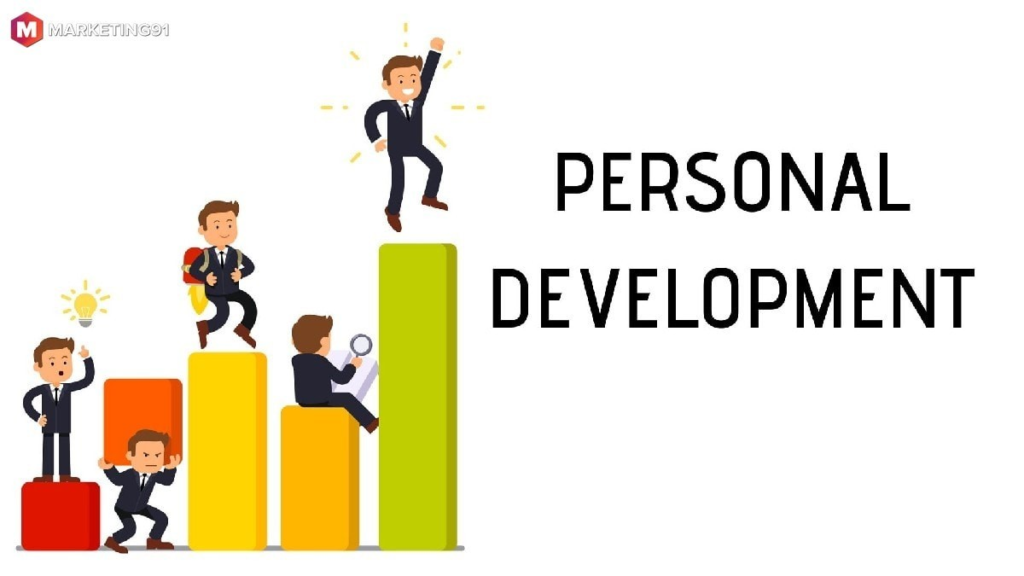
Personal development can sound like a big, serious concept, but in everyday life, it is often about small things. It can mean learning to manage your time, becoming more confident, improving your communication, developing better habits, or simply understanding yourself a little better.
You don’t need to completely change your life overnight. Real personal growth usually happens through small decisions repeated over time.
Think about a plant growing in a garden. You don’t see it becoming taller every hour, but if you give it water, sunlight, and care, you eventually notice the difference. Personal development works in much the same way.
What Is Personal Development?

Personal development is the process of improving your skills, habits, mindset, confidence, and understanding of yourself.
It can include:
- Building self-confidence
- Improving communication
- Managing time better
- Creating useful habits
- Learning new skills
- Setting personal goals
- Developing self-discipline
- Handling challenges
- Improving relationships
- Becoming more self-aware
Everyone’s journey is different. For one person, personal growth might mean speaking confidently in meetings. For another, it might mean learning to manage their daily routine.
There is no single “correct” way to improve yourself.
Start With One Small Goal

One practical mistake people often make is trying to improve everything at once.
On Monday, they decide to wake up early, exercise, read books, learn a new skill, stop using social media, eat better, and become extremely productive.
By Thursday, they’re exhausted.
A better approach is to choose one small goal and make it realistic.
| Big Goal | Small Action |
|---|---|
| Read more | Read 5–10 pages daily |
| Improve communication | Practice one conversation |
| Learn a skill | Practice for 20 minutes |
| Become organized | Plan tomorrow’s tasks |
| Reduce distractions | Keep your phone away while working |
| Build confidence | Try one slightly uncomfortable activity |
Small steps are easier to repeat, and repeated actions eventually become habits.
Build Habits That Actually Fit Your Life

There’s a lot of advice online about the “perfect” morning routine. Wake up at a certain time, exercise, meditate, journal, read, plan your entire day—the list can become endless.
But here’s the practical truth: a routine is only useful if you can actually maintain it.
If you have college, work, family responsibilities, or a busy schedule, your routine should fit your reality.
Maybe your personal development routine is simply:
10 minutes of reading + planning your day + a short walk.
That’s completely fine.
You don’t need an Instagram-worthy routine. You need a routine that works on an ordinary Tuesday.
Work on Your Self-Confidence

Confidence doesn’t mean believing that you’re better than everyone else.
In my opinion, healthy confidence is knowing that you can learn, make mistakes, and still keep going.
One simple way to build confidence is to keep small promises to yourself.
If you tell yourself, “I’ll spend 20 minutes learning this skill,” and you actually do it, you’re building trust in yourself.
You can also:
- Prepare before important situations.
- Celebrate small improvements.
- Learn from mistakes.
- Speak clearly.
- Try new things gradually.
- Avoid constantly comparing yourself with others.
Sometimes confidence comes after taking action, not before it.
You might feel nervous before giving a presentation, but after doing it a few times, you may realize, “Okay, I can handle this.”
That’s how confidence grows.
Learn Something New
You could learn about:
Personal growth becomes easier when you stay curious.
- Writing
- Digital marketing
- Technology
- Communication
- Photography
- Cooking
- A new language
- Financial basics
- Creative skills
You don’t need to study for hours.
Even 15–20 minutes of focused learning can be valuable when you do it consistently.
A small observation: the first few days of learning something new can feel slow. You may think you’re not improving. Then, after a few weeks, you suddenly notice that something which once seemed difficult has become easier.
That’s progress.
Improve Your Communication

Good communication can improve your work, friendships, relationships, and everyday interactions.
And communication isn’t only about speaking.
It’s also about listening.
Try to:
- Listen without interrupting.
- Ask questions.
- Speak clearly.
- Think before responding.
- Avoid unnecessary arguments.
- Explain your thoughts calmly.
- Pay attention to the other person’s perspective.
Here’s a relatable example.
Someone tells you about a difficult day. Your first reaction might be to immediately give advice. But sometimes they don’t want a solution.
They simply want someone to listen.
Learning when to speak and when to listen is an underrated personal development skill.
Stop Comparing Your Progress With Others
This can be difficult, especially with social media.
You see someone getting a new job, traveling, starting a business, learning a skill, or achieving something you’ve also wanted.
It’s natural to think, “Why am I not there yet?”
But you’re comparing your everyday life with a small part of someone else’s life.
You don’t know their complete story.
Instead of asking:
“Why am I behind?”
Ask:
“What can I do today that moves me one step forward?”
Your progress doesn’t need to look impressive to anyone else.
It only needs to be meaningful to you.
Manage Your Time Without Overcomplicating It

Time management doesn’t mean working every minute.
It means knowing what deserves your attention.
At the beginning of the day, write down your three most important tasks.
For example:
| Priority | Task |
|---|---|
| 1 | Finish important work |
| 2 | Practice a useful skill |
| 3 | Prepare tomorrow’s tasks |
Don’t create a list of 20 tasks just because it looks productive.
Three completed priorities can feel much better than ten unfinished ones.
And remember to leave some breathing room in your day. Unexpected things happen.
Develop a Positive but Realistic Mindset
Positive thinking doesn’t mean pretending everything is wonderful.
Some days will simply be difficult.
You may fail an exam, make a mistake at work, argue with someone, or feel like you’re not making progress.
Instead of saying:
“Everything is going wrong.”
Try asking:
“What can I control right now?”
For example, if you made a mistake in an assignment, you can’t undo it. But you can understand what went wrong and make a better plan for the next one.
A realistic mindset doesn’t ignore problems—it helps you deal with them.
Learn From Your Mistakes

Nobody gets everything right.
You will make mistakes. That’s part of being human.
The important question isn’t “Did I make a mistake?”
It’s:
“What can I learn from it?”
After something goes wrong, ask yourself:
- What happened?
- What caused it?
- What could I have done differently?
- What will I change next time?
For example, if you missed a deadline because you started too late, the lesson isn’t simply “I’m bad at managing time.”
The useful lesson could be:
“Next time, I’ll divide the task into smaller parts and start earlier.”
That’s turning a mistake into growth.
Take Breaks and Spend Time in Nature
Personal development isn’t about being productive all day.
Your mind needs rest too.
Take a walk outside. Sit somewhere peaceful. Notice the trees, fresh air, sunlight, clouds, or evening breeze.
Sometimes stepping away from a screen for even a few minutes can help you return with a clearer head.
A simple walk can also give you time to think without constantly checking notifications.
Rest isn’t the opposite of growth. It can be part of growth.
Practice Self-Reflection

At the end of the day, take five minutes to think.
Ask yourself:
What went well today?
What didn’t go well?
What did I learn?
What can I do differently tomorrow?
You don’t need a fancy journal.
A basic notebook is enough.
Writing down your thoughts can help you notice patterns. Maybe you’re most productive in the morning. Maybe your phone distracts you when you’re trying to work. Maybe talking to certain people leaves you feeling motivated.
Small observations about your own behavior can teach you a lot.
Practice Self-Discipline

Motivation comes and goes.
Some mornings you feel ready to achieve everything. Other days, even starting a simple task feels difficult.
That’s normal.
Self-discipline helps you continue even when motivation isn’t there.
Instead of waiting to “feel motivated,” create simple systems.
Want to read?
Keep a book beside your bed.
Want to study?
Keep your study space ready.
Want fewer distractions?
Put your phone somewhere away from your workspace.
Make good habits easier to start.
Don’t Be Too Hard on Yourself

Personal development should not turn into constant self-criticism.
You don’t have to improve every single day.
Some days you’ll be productive.
Some days you’ll be tired.
Some days you’ll change your plans.
That’s life.
If you miss a habit for one day, don’t decide that you’ve failed completely. Start again tomorrow.
Progress isn’t always a straight line.
Sometimes you move forward, sometimes you slow down, and sometimes you need to rest before continuing.
A Simple Personal Development Routine
If you’re wondering where to begin, try this simple routine:
| Time | Activity |
|---|---|
| Morning | Choose 2–3 important tasks |
| Daytime | Focus on one task at a time |
| Evening | Spend 15 minutes learning |
| Night | Reflect on your day |
| Weekly | Review your progress |
| Monthly | Choose one new goal |
Don’t try to follow it perfectly.
The goal is progress, not perfection.
Common Personal Development Mistakes

| Mistake | Better Approach |
|---|---|
| Trying to change everything at once | Start with one habit |
| Expecting instant results | Give yourself time |
| Comparing yourself with others | Compare yourself with your past self |
| Chasing motivation | Build simple routines |
| Ignoring mistakes | Learn from them |
| Following every trend | Keep what genuinely helps |
| Forgetting rest | Give yourself time to recharge |
FAQ’S
1. What is personal development?
Personal development is the process of improving your skills, habits, mindset, confidence, and self-awareness. It helps you handle everyday challenges and work toward meaningful personal goals.
2. How can I start my personal development journey?
Start with one small, realistic goal. For example, read for 10 minutes daily, improve your communication, learn a new skill, or create a simple daily routine. Small steps are easier to maintain.
3. What are the best personal development tips?
Some useful tips include setting clear goals, building positive habits, managing your time, learning continuously, improving communication, practicing self-reflection, and learning from mistakes.
4. How can I improve myself every day?
Focus on small actions such as learning something new, completing an important task, reading, staying organized, practicing a skill, or reflecting on your day. Consistency matters more than doing everything perfectly.
5. How can I build self-confidence?
You can build confidence by setting small goals, developing your skills, preparing for challenges, celebrating progress, and gradually doing things outside your comfort zone