
From smartwatches that count our steps to advanced laboratories studying genes and diseases, Biotechnology makes healthcare more connected.Moreover, health tech personalizes care and expands access.A few years ago, checking your heart rate from a watch or talking to a doctor through a video call might have seemed unusual. Today, these things are becoming much more familiar.But health technology is about more than gadgets. Behind many of today’s healthcare innovations are researchers, doctors, engineers, software developers, and biotechnology experts. Additionally, they are working together to solve real problems.he goal is not simply to create impressive technology. The real goal is to help people understand their health, support better medical decisions, improve research, and make healthcare easier to access.
What Is Biotechnology?
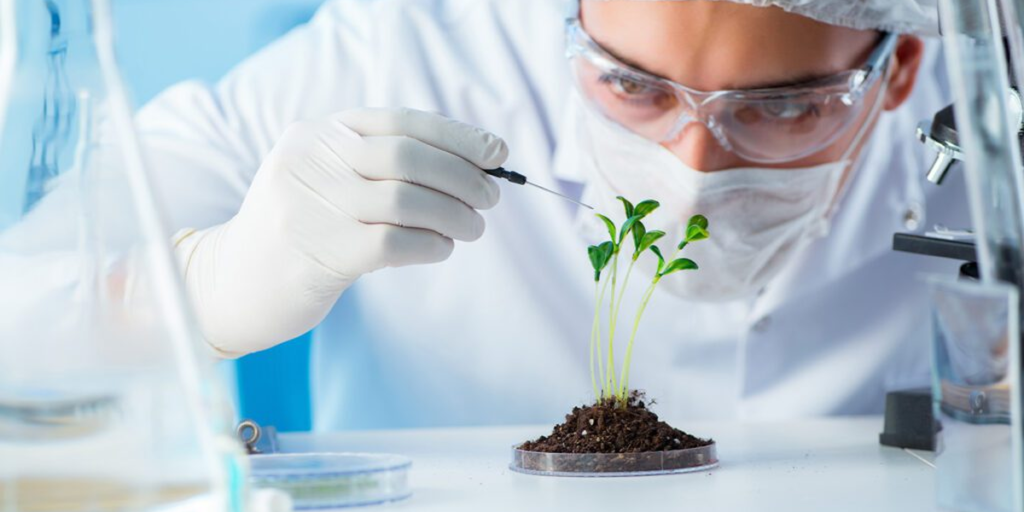
Biotechnology is the use of living organisms, cells, biological processes, or biological information to create useful products and solutions.
In healthcare, biotechnology plays an important role in areas such as medicine development, genetic research, diagnostics, vaccines, and disease studies.
Think of biotechnology as a bridge between biology and practical solutions. Researchers study how cells, genes, proteins, and other biological systems work and then look for ways that knowledge can be used.
For example, understanding how a particular disease affects cells can help scientists investigate possible treatments.
Biotechnology can contribute to:
- Medicine and vaccine research
- Genetic testing
- Disease detection
- Biopharmaceutical development
- Cell and molecular research
- Personalized healthcare
- Regenerative medicine
- Laboratory diagnostics
It is a field that continues to grow as scientists gain better tools for understanding biology.
What Is Health Tech?
Health tech refers to technology designed to support healthcare, wellness, medical services, and health management.
It includes both simple everyday tools and highly advanced medical systems.
A fitness tracker is health tech. So is a telehealth platform, digital health record, medical imaging system, or remote monitoring device.
| Health Tech | How It Can Help |
|---|---|
| Smartwatches | Track selected health and activity information |
| Fitness Trackers | Monitor movement, exercise, and some wellness metrics |
| Telehealth | Connect patients with healthcare professionals remotely |
| Health Apps | Help users organize and track health-related information |
| Remote Monitoring | Collect selected information outside traditional clinics |
| AI Tools | Help analyze large amounts of information |
| Digital Records | Store and organize healthcare information |
| Medical Robotics | Assist professionals with certain procedures and tasks |
What makes health tech interesting is how quickly it is moving from specialized environments into ordinary homes.
Biotechnology and Health Tech: Why Do They Matter?

Biotechnology and health tech solve different kinds of problems, but they can complement each other.
Biotechnology focuses heavily on the science of life, while health technology often focuses on devices, software, data, and healthcare delivery.
When these areas work together, they can give researchers and healthcare professionals more ways to understand health.
For example, biotechnology can help researchers understand biological changes associated with a disease. Health technology can help collect, organize, or analyze information related to a person’s health.
This combination is helping move healthcare toward a more data-informed and personalized approach.
Artificial Intelligence Is Changing Healthcare
Artificial intelligence, or AI, is becoming one of the most talked-about technologies in healthcare.
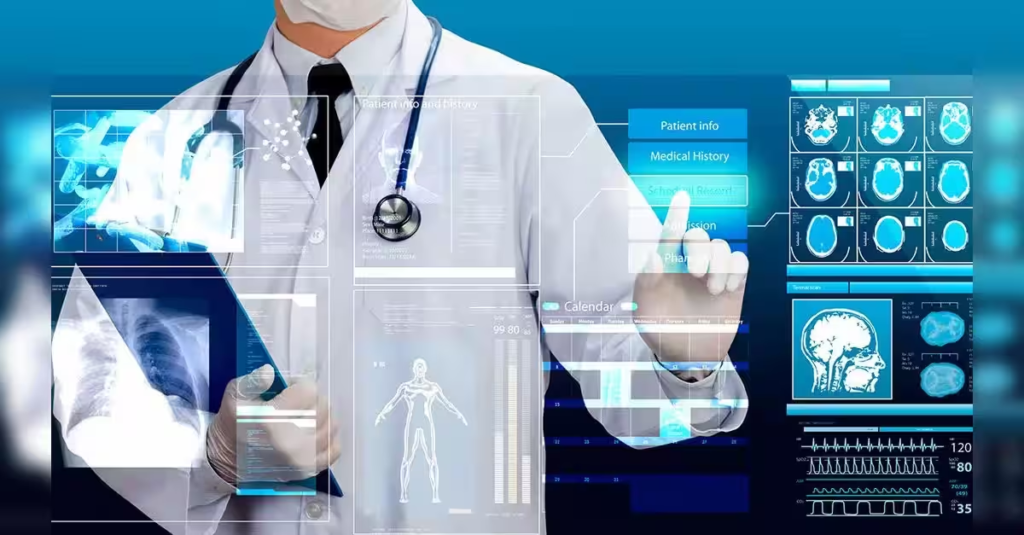
AI systems can process large amounts of information and identify patterns. Researchers and healthcare organizations are exploring AI for medical imaging, research, administrative work, data analysis, and other applications.
The practical value of AI is often less dramatic than movies make it look.
It may simply help a professional sort through information faster or highlight something that deserves a closer look.
That can still be useful.
For example, when healthcare professionals have to work with large collections of images or records, software assistance may help organize information and support their workflow.
However, AI should support qualified professionals rather than replace careful medical judgment. Accuracy, testing, privacy, and human oversight remain important.
Smartwatches and Wearable Health Technology
Wearable technology has made health tracking feel much more personal.
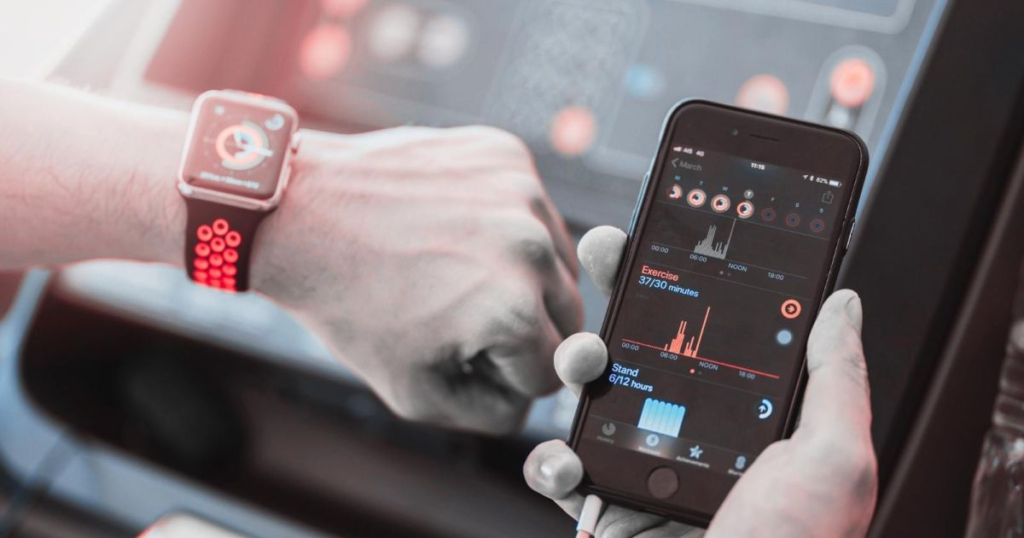
People can now wear small devices that collect information about activity, heart rate, sleep, and other measurements, depending on the device.
For someone trying to become more active, seeing daily movement on a watch can be surprisingly motivating. A simple notification saying you have been sitting for too long may be enough to make you stand up and take a short walk.
These small moments are one reason wearable technology has become popular.
Still, there is an important distinction: a consumer wearable is not automatically a medical device. Readings can be affected by the device, how it is worn, and other factors. Unusual results should not automatically be interpreted as a diagnosis.
Personalized Medicine: Healthcare That Fits the Individual
Not everyone responds to a treatment in exactly the same way.
This is one reason personalized medicine has become an important area of healthcare research.
Personalized medicine aims to use information about an individual to help guide certain healthcare decisions. Depending on the situation, this may include genetic, molecular, lifestyle, or other relevant information.
The basic idea is simple: instead of treating every patient as though they are exactly the same, healthcare can sometimes consider meaningful differences between individuals.
Genetic and biological information may help researchers understand why certain diseases develop or why people respond differently to particular treatments.
Personalized medicine is still developing, but it has the potential to make some areas of healthcare more targeted.
Biotechnology and Modern Medicine
Many people think of biotechnology as something that happens behind laboratory doors, but its impact can reach patients through medicines and diagnostic technologies.
Researchers can study cells, proteins, genes, and other biological processes to better understand diseases and identify potential treatment approaches.
Biotechnology also supports the development and production of certain biological medicines.
The process is not quick. A discovery in a laboratory does not automatically become a treatment that doctors can prescribe. New medical products require extensive research, testing, regulatory review, and ongoing monitoring.
That slower process can be frustrating, but it is also an important part of making healthcare innovations safer and more reliable.
The Growth of Telehealth
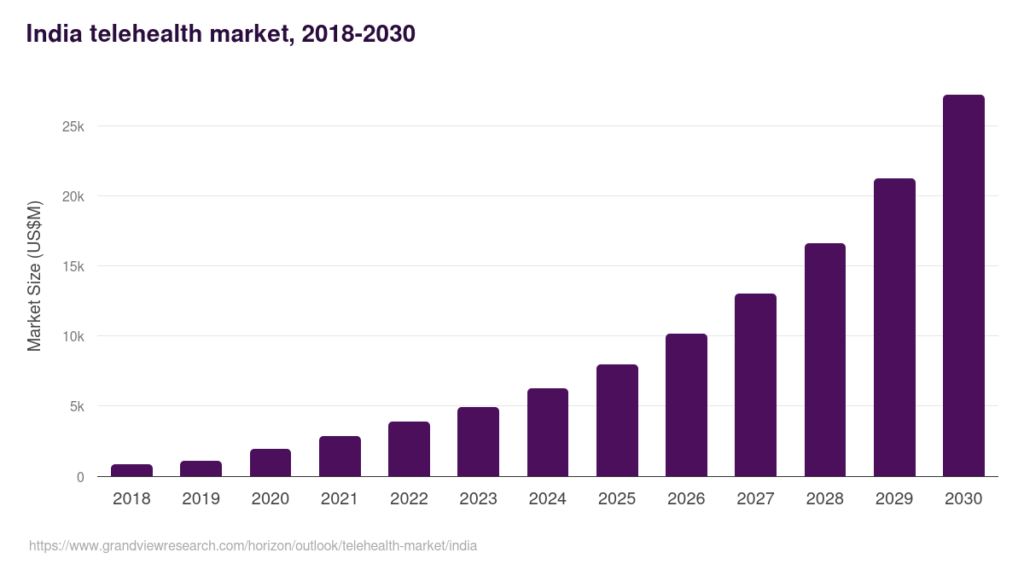
Another major change in healthcare is the growth of telehealth.
Instead of always traveling to a clinic, patients may be able to communicate with healthcare professionals through video consultations, phone calls, or secure digital platforms for appropriate types of care.
This can be particularly convenient for routine consultations, follow-ups, or situations where an in-person visit is not necessary.
Imagine living far from a specialist and being able to have an initial consultation without spending hours traveling. That convenience can make a real difference.
Of course, telehealth has limits. Some conditions require a physical examination, diagnostic testing, emergency treatment, or other in-person care.
Remote Health Monitoring
Remote monitoring is another area where technology can make healthcare more connected.
Certain devices can collect health-related information outside a hospital or clinic and transmit it to an appropriate healthcare system or professional.
This approach can help healthcare teams follow selected measurements over time instead of relying only on information collected during occasional appointments.
For patients, this can also mean spending less time traveling for certain types of monitoring.
The key is making sure that the information being collected is accurate, relevant, secure, and properly interpreted.
More information is not always better. Useful healthcare depends on knowing what the information means and what action, if any, should follow.
Robotics in Healthcare
Robotics may sound like something from the distant future, but robots and robotic systems are already being explored and used in different healthcare settings.
They can support certain surgical procedures, rehabilitation programs, laboratory tasks, logistics, and other activities.
In surgical applications, for example, robotic systems can provide specialized instruments and interfaces that a trained surgeon controls.
The important point is that the technology is designed to support healthcare professionals rather than simply operate independently.
As robotics improves, we may see more specialized applications in hospitals and medical facilities.
The Role of Health Apps
Open your phone and you will probably find dozens of apps capable of tracking some part of your daily routine.
Health-related apps can help people:
- Track exercise
- Record meals
- Monitor habits
- Set reminders
- Organize appointments
- Record selected health information
- Learn about wellness topics
A good app does not need to be complicated.
Sometimes a simple reminder to take a break from sitting or drink water is more useful than a dashboard filled with numbers that nobody understands.
However, users should also think about privacy and reliability. Before entering sensitive information into an app, it is worth checking what information is collected, how it is used, and what security measures are provided.
Regenerative Medicine and Biotechnology
Regenerative medicine is one of the areas that captures people’s imagination.
Researchers are exploring ways to help repair damaged tissues, restore biological functions, and support the body’s natural healing processes.
This includes research involving cells, biomaterials, tissue engineering, and other biological approaches.
The long-term possibilities are exciting, but it is important to separate genuine research from exaggerated promises.
Scientific progress takes time. A promising experiment does not guarantee that a treatment will become widely available or work for every patient.
That is why evidence and careful clinical research matter.
The Benefits of Health Technology
When developed and used responsibly, biotechnology and health tech can provide several potential benefits.
| Benefit | What It Can Mean |
|---|---|
| Convenience | Easier access to certain healthcare services |
| Monitoring | More information about health patterns |
| Research | Better tools for studying diseases |
| Personalization | Healthcare approaches tailored to individual information |
| Communication | Easier connections between patients and professionals |
| Efficiency | Support for healthcare workflows |
| Innovation | New approaches to diagnosis, treatment, and care |
The actual benefit depends on the quality of the technology and how it is used.
A sophisticated device is not automatically useful. Good technology should solve a real problem.
Challenges We Should Not Ignore
The future of healthcare technology sounds exciting, but there are real concerns too.
Data Privacy
Health information is highly personal. Companies and healthcare organizations need to protect it from unauthorized access and misuse.
Cybersecurity
Connected medical devices and digital health systems can become targets for cyberattacks. Strong security is essential.
Accuracy
Not every health app or wearable provides medical-grade information. Users need to understand the limitations of their devices.
Accessibility
Advanced healthcare technology can be expensive. If only a small group of people can afford it, its broader social impact may remain limited.
Digital Skills
Not everyone is comfortable using apps, online consultations, or connected devices. Healthcare technology should be designed with different users in mind.
Ethical Questions
Genetic information, AI decision-making, data ownership, and biological research all raise important ethical questions.
These issues should be considered alongside innovation rather than after a technology has already become widespread.
What Could the Future Look Like?
The future of biotechnology and health tech will probably not arrive as one giant invention.
Instead, it may develop through hundreds of smaller improvements.
We could see continued progress in:
- AI-assisted healthcare
- Wearable health devices
- Personalized medicine
- Digital diagnostics
- Remote patient monitoring
- Medical robotics
- Biotechnology research
- Genetic technologies
- Connected medical devices
- Health data analytics
- Regenerative medicine
Some ideas will work extremely well. Others will be changed, replaced, or abandoned.
That is normal.
Technology develops through experimentation, testing, mistakes, and improvement.
How Consumers Can Use Health Tech Wisely

You do not need to become a technology expert to use health technology sensibly.
A few simple habits can help:
Check the source. Look for reliable information instead of believing every health claim on social media.
Understand the device. Know what your wearable or app actually measures and what it does not measure.
Protect your information. Use strong passwords and review privacy settings.
Do not self-diagnose. A strange reading from a device does not automatically mean something is medically wrong.
Ask professionals when necessary. Healthcare technology can provide useful information, but qualified healthcare professionals can help interpret medical concerns.
FAQ’S
1. What is biotechnology in healthcare?
Biotechnology in healthcare uses biological processes, cells, genes, and other biological information to support medical research, diagnostics, medicines, and new healthcare solutions.
2. What is health tech?
Health tech refers to technology used to support healthcare and wellness. It includes wearable devices, health apps, telehealth, remote monitoring, digital records, AI tools, and medical devices.
3. How is biotechnology changing healthcare?
Biotechnology is helping researchers better understand diseases, develop medicines, study genetics, improve diagnostics, and explore more personalized approaches to healthcare.
4. How is AI used in healthcare?
AI can help analyze large amounts of information, support medical research, assist with medical imaging, organize data, and improve certain healthcare workflows. It is generally intended to support, rather than replace, healthcare professionals.
5. Are wearable health devices accurate?
Wearable devices can provide useful information, but their accuracy varies by device, measurement, and situation. Consumer wearables should not automatically be treated as medical diagnostic tools.
Wearable Technology: Smart Devices Shaping the Future of Everyday Life
Technology has become something we carry everywhere. Our phones are in our pockets, laptops sit…
Transformative Biotech and Health Tech: Smart Innovations for Better Health
From smartwatches that count our steps to advanced laboratories studying genes and diseases, Biotechnology makes…

Business Planning & Strategy: From Idea to Business Growth
Starting a business often begins with a simple thought: “What if I turn this idea…

Proven Strategies to Boost Content Performance and Growth
Creating Content takes time. You choose a topic, write the article, Content make images, create…

The Ultimate Practical Guide to Personal Growth
Personal growth is not about becoming a completely different person. It is about understanding yourself…

How to Build a Creator Business and Make Money Online
Creating content online used to sound like something only famous Business YouTubers, influencers, or celebrities…