
Starting your own startup can feel exciting, confusing, and a little scary at the same time. You may have a great idea in your mind and think, “What if this actually works?” At the same time, another thought may come up: “Where do I even begin?”
If you’re feeling this way, you’re not alone. Almost every new entrepreneur starts with questions and uncertainty. You don’t need to know everything on day one. A startup is a learning journey, and you become better by taking small steps, talking to people, testing ideas, and learning from what doesn’t work.
Think about planting a small seed. You don’t expect it to become a huge tree overnight. It needs sunlight, water, fresh air, good soil, patience, and regular care. Building a startup is similar. Your idea is the seed, but your research, effort, customers, learning, and patience are what help it grow.
Start With a Real Problem
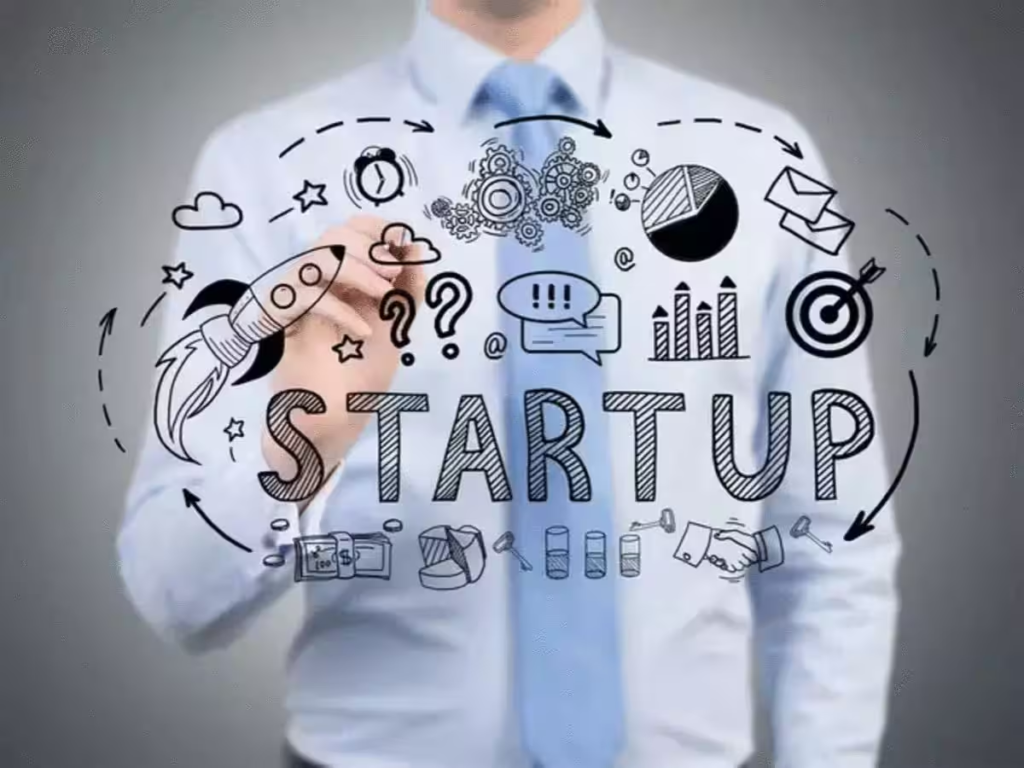
A startup doesn’t always need a completely revolutionary idea. Sometimes, the best business ideas come from noticing a simple problem in everyday life.
Look around you.
What do people complain about?
What takes too much time?
What feels unnecessarily complicated?
What could be cheaper, easier, faster, or more convenient?
For example, imagine students around you are struggling to find simple study material. You might see an opportunity to create an easy-to-use learning resource or service.
The important question isn’t only:
“What can I sell?”
Instead, ask:
“What problem can I solve?”
In my opinion, this is one of the most useful questions a beginner can ask.
Understand Your Target Custom

Once you have an idea, think about who actually needs it.
Don’t assume that everyone is your customer. A specific audience makes it much easier to understand what people want.
Ask yourself:
- Who would use my product or service?
- What problem are they facing?
- How are they solving it right now?
- What do they like or dislike about current options?
- Would they actually pay for my solution?
Talk to people whenever possible.
Here’s a small but important observation: friends and family may say your idea is amazing simply because they want to encourage you. That’s nice to hear, but honest feedback from potential customers is much more valuable.
Listen to what people actually need, not just what you hope they need.
Research Your Market

Before investing a lot of time or money, spend some time researching the market.
Look at businesses that already offer something similar. Check their products, prices, customer reviews, websites, and social media presence.
Don’t look at competitors only as a threat.
They can also teach you what customers already expect.
| What to Research | Why It Matters |
|---|---|
| Target audience | Helps you understand customers |
| Competitors | Shows what already exists |
| Pricing | Helps you plan your prices |
| Customer reviews | Reveals common complaints |
| Market demand | Helps you understand potential interest |
Pay special attention to negative reviews.
Why?
Because complaints can reveal opportunities.
If customers repeatedly say that a service is slow, confusing, expensive, or difficult to use, perhaps your startup can solve that particular problem better.
Create a Simple Business Plan

You don’t need to create a complicated business document when you’re just starting.
Begin with a simple plan that answers a few basic questions:
What am I offering?
Who needs it?
What problem does it solve?
How will people find me?
How will I make money?
What will it cost to run?
Writing these answers down can make your idea feel much more real.
A business plan should be a roadmap, not a prison. Your plan can change when you learn more from customers and the market.
And honestly, it probably will change.
That’s completely normal.
Start Small and Test Your Idea

One of the smartest things a beginner can do is test an idea before making a huge investment.
You don’t always need a complete product on day one.
Create a simple version first.
For example, if your idea is an online learning service, you could begin with a small course or workshop instead of building a huge platform.
If you want to sell products, test a limited range first.
The basic process is:
Build → Test → Listen → Improve.
This can save you from spending months building something that customers don’t actually want.
Understand How Your Startup Will Make Money
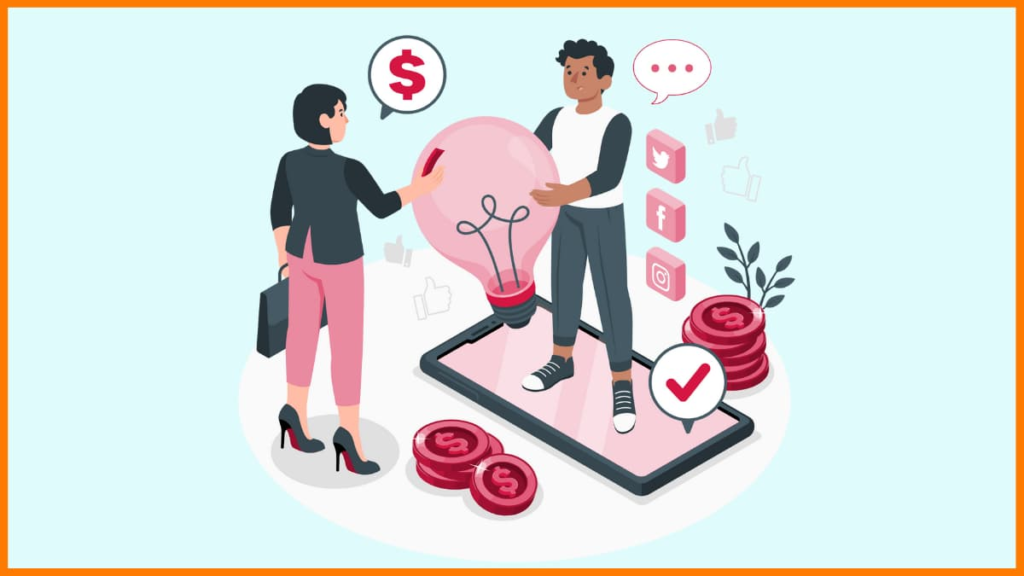
A great idea still needs a sensible way to earn revenue.
Think about your business model.
Depending on your startup, you might make money through:
- Product sales
- Service fees
- Subscriptions
- Memberships
- Commissions
- Online courses
- Consulting
- Advertising
Ask yourself a very simple question:
“If people like my idea, how will this business make money?”
If you can explain the answer clearly, you’re already thinking like a business owner.
Plan Your Budget Carefully

🚀 Start Small. Dream Big. Build Your Startup.
Money can disappear surprisingly quickly when starting a business.
Website costs, tools, marketing, packaging, equipment, software, and other expenses can add up.
Before spending money, separate your expenses into essential and optional costs.
| Expense | What to Consider |
|---|---|
| Website | Do you need a website immediately? |
| Marketing | Which channels can reach your customers? |
| Tools | Which software is actually necessary? |
| Product | What is needed for your first version? |
| Operations | Packaging, delivery, or service costs |
| Professional help | What should you outsource if needed? |
Don’t spend money just because something looks professional.
A fancy office or expensive branding won’t automatically bring customers.
Spend where it creates real value.
Build a Simple Online Presence

Today, people often search online before trusting a new business.
Depending on your startup, you may need a basic website, social media profile, or online business listing.
Make sure your online presence quickly answers:
What do you offer?
Who is it for?
Why is it useful?
How can someone contact you?
You don’t need to be active on every social media platform.
Choose the platforms where your potential customers actually spend time and focus on doing a good job there.
Learn Basic Marketing

Even the best product can struggle if nobody knows about it.
Marketing isn’t simply about telling people, “Buy my product.”
Good marketing is about explaining a problem, showing your solution, and building trust.
You can explore:
- Social media marketing
- Content marketing
- Email marketing
- SEO
- Word-of-mouth marketing
- Partnerships
- Educational content
Try to be useful before trying to be promotional.
Answer questions.
Share helpful information.
Show how your product works.
Talk about your journey.
People connect with real stories, especially when they’re seeing a small business grow from the beginning.
Listen to Your First Customers

Your first customers can teach you a lot.
Ask them:
“What did you like?”
“What was confusing?”
“What would you change?”
“What could we do better?”
You don’t have to accept every suggestion, but if several people mention the same problem, pay attention.
Sometimes customers see things that the founder simply doesn’t notice.
That’s not embarrassing.
That’s useful information.
Your startup should evolve as you learn.
Don’t Be Afraid of Mistakes

Let’s be realistic: not everything will work.
Maybe your first marketing post gets almost no attention.
Maybe a product doesn’t sell.
Maybe your original plan turns out to be too expensive.
Maybe customers don’t respond the way you expected.
It can feel disappointing.
But instead of thinking:
“I’m not good at business.”
Try asking:
“What did this experience teach me?”
That small change in thinking can make a huge difference.
A failed experiment doesn’t mean you are a failure. It simply gives you information about what to improve.
Don’t Try to Do Everything Yourself

In the beginning, it’s tempting to handle everything alone.
You may want to do the website, marketing, design, customer service, accounting, and product development yourself.
Learning different parts of your business is useful, but you don’t have to become an expert in everything.
As your startup grows, you may need help from designers, developers, accountants, marketers, mentors, or other professionals.
The right people can save time and bring skills you don’t have.
Stay Patient With Your Progress

This is probably one of the hardest lessons for a beginner.
You may see stories about businesses becoming successful very quickly and wonder why your own progress feels slow.
But real businesses often grow through many small steps that nobody sees.
Your first customer.
Your first positive review.
Your first repeat customer.
Your first successful product.
Your first mistake that teaches you something important.
These moments may look small, but they are part of the foundation.
Don’t underestimate slow progress.
Like a tree quietly growing beneath the morning sunlight, your business may be developing even when the results aren’t obvious yet.
Simple Startup Roadmap for Beginners

| Step | What to Do |
|---|---|
| 1 | Find a real problem |
| 2 | Identify your target customer |
| 3 | Research the market |
| 4 | Study competitors |
| 5 | Create a simple business plan |
| 6 | Test a basic version |
| 7 | Get customer feedback |
| 8 | Improve your product or service |
| 9 | Start marketing |
| 10 | Grow when the idea proves itself |
FAQ’S
1. How do I start my own startup as a beginner?
Start by identifying a real problem, researching your target customers, checking competitors, creating a simple business plan, and testing your idea with a small version before investing heavily.
2. How can I find a good startup idea?
Look at everyday problems around you. A strong startup idea usually solves a specific problem or makes something easier, faster, cheaper, or more convenient.
3. Do I need a lot of money to start a startup?
Not always. Many beginners can start by testing a simple version of their idea with limited resources. Your initial budget depends on the type of business, product, and market.
4. What should I do before launching a startup?
Before launching, research your market, understand your customers, study competitors, estimate costs, and test whether people are interested in your product or service.
5. What is an MVP in a startup?
MVP stands for Minimum Viable Product. It is a basic version of a product or service that helps you test your idea and collect feedback before building a larger version.

Wearable Technology: Smart Devices Shaping the Future of Everyday Life
Technology has become something we carry everywhere. Our phones are in our pockets, laptops sit…

Transformative Biotech and Health Tech: Smart Innovations for Better Health
From smartwatches that count our steps to advanced laboratories studying genes and diseases, Biotechnology makes…

Business Planning & Strategy: From Idea to Business Growth
Starting a business often begins with a simple thought: “What if I turn this idea…

Proven Strategies to Boost Content Performance and Growth
Creating Content takes time. You choose a topic, write the article, Content make images, create…

The Ultimate Practical Guide to Personal Growth
Personal growth is not about becoming a completely different person. It is about understanding yourself…

How to Build a Creator Business and Make Money Online
Creating content online used to sound like something only famous Business YouTubers, influencers, or celebrities…