
Confidence is something almost everyone wants, but it doesn’t always come naturally. Some days you may feel comfortable sharing your thoughts, while on other days you might hesitate, overthink, or wonder, “What will people think of me?”
That feeling is completely normal.
The good thing is that confidence is not something you either have or don’t have. It can grow with practice, experience, and small steps. You don’t need to suddenly become the most outgoing person in the room. Sometimes, confidence simply means trusting yourself enough to try.
Think about a small plant growing in the sunlight. It doesn’t become strong in a single day. It needs water, fresh air, sunlight, patience, and time. Confidence grows in a similar way. Small efforts, repeated regularly, can slowly make you stronger from the inside.
What Is Self-Confidence?

Self-confidence means believing that you can learn, handle challenges, make decisions, and improve.
It doesn’t mean believing you’re perfect.
A confident person can still say:
“I don’t know.”
“I’m nervous.”
“I made a mistake.”
“I need more practice.”
For example, imagine you’re about to give a presentation. You may feel nervous before speaking. Confidence doesn’t mean that nervousness completely disappears. It means you can tell yourself:
“I’m a little nervous, but I’ve prepared. I’ll do my best.”
That is realistic confidence.
Start With Small Wins
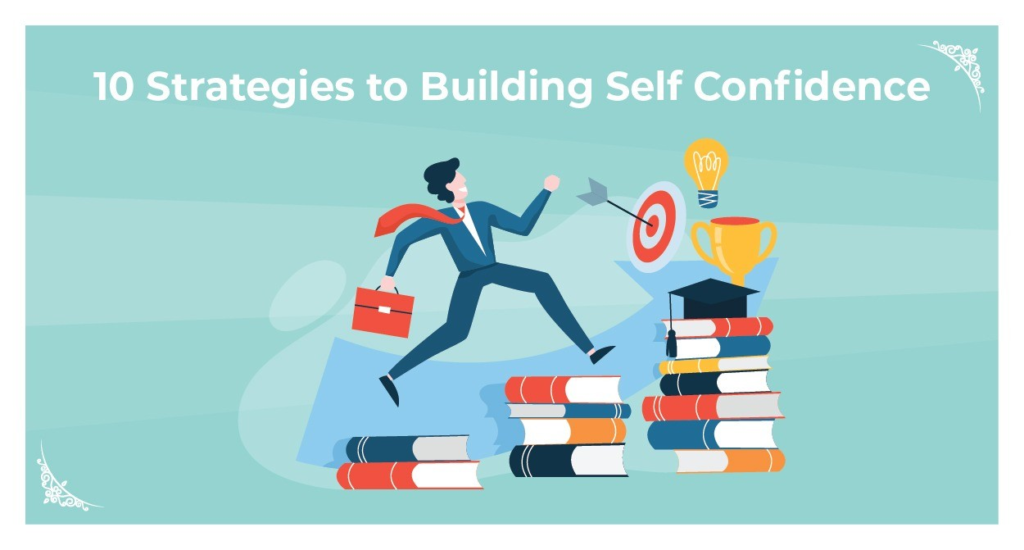
✨ 10 Simple Strategies to Build Self-Confidence and Believe in Yourself 🌱💪
If you’re trying to become more confident, don’t put pressure on yourself to make a huge change overnight.
Start with something small.
Maybe you’ve been nervous about speaking in a group. Instead of trying to become a great public speaker immediately, share one idea during a conversation.
If you want to learn a skill, practice for 15 minutes.
If you’ve been avoiding an important task, finish just the first part.
| Confidence Goal | Easy First Step |
|---|---|
| Speak more confidently | Share one opinion |
| Improve communication | Start a short conversation |
| Learn a skill | Practice for 15 minutes |
| Become organized | Finish one important task |
| Try something new | Take one manageable step |
Small achievements can create a surprisingly strong feeling.
You begin thinking, “I actually did it.”
And that thought matters.
Don’t Wait Until You Feel Confide

A common mistake is thinking:
“I’ll do it when I feel ready.”
But confidence often comes after you take action.
Think about learning to ride a bicycle. You don’t become confident first and then ride. You practice balancing, make mistakes, adjust, and try again.
The same idea applies to everyday life.
Your first interview may feel awkward.
Your first presentation may not be perfect.
Your first attempt at a new skill may go differently than expected.
That’s okay.
You don’t need a perfect first attempt—you need a first attempt.
Experience teaches you things that overthinking never can.
Be Careful About Your Inner Voice

Sometimes we are much harder on ourselves than we realize.
After making a mistake, you might think:
“I’m useless.”
“I always get things wrong.”
“I’ll never be good at this.”
Take a pause.
Would you say those things to a friend who made the same mistake?
Probably not.
You might tell them:
“Don’t worry. Learn from it and try again.”
Try giving yourself the same kindness.
Instead of:
“I can’t do this.”
Try:
“I’ll learn it step by step.”
Instead of:
“I’m terrible at this.”
Try:
“I’m still learning.”
This isn’t about pretending everything is perfect. It’s about using realistic and supportive self-talk.
Prepare Before Important Moments

Confidence becomes easier when you’re prepared.
Have an interview?
Practice your answers.
Giving a presentation?
Practice speaking aloud.
Learning something new?
Understand the basics first.
Preparation won’t remove every nervous feeling, but it can give you something solid to rely on.
Here’s a small observation: people who look naturally confident often have a lot of practice behind the scenes.
We usually see the final result, not the preparation.
So instead of asking:
“Why am I not naturally confident?”
Ask:
“What can I prepare today?”
That question can lead to real action.
Practice Is One of the Best Confidence Builders
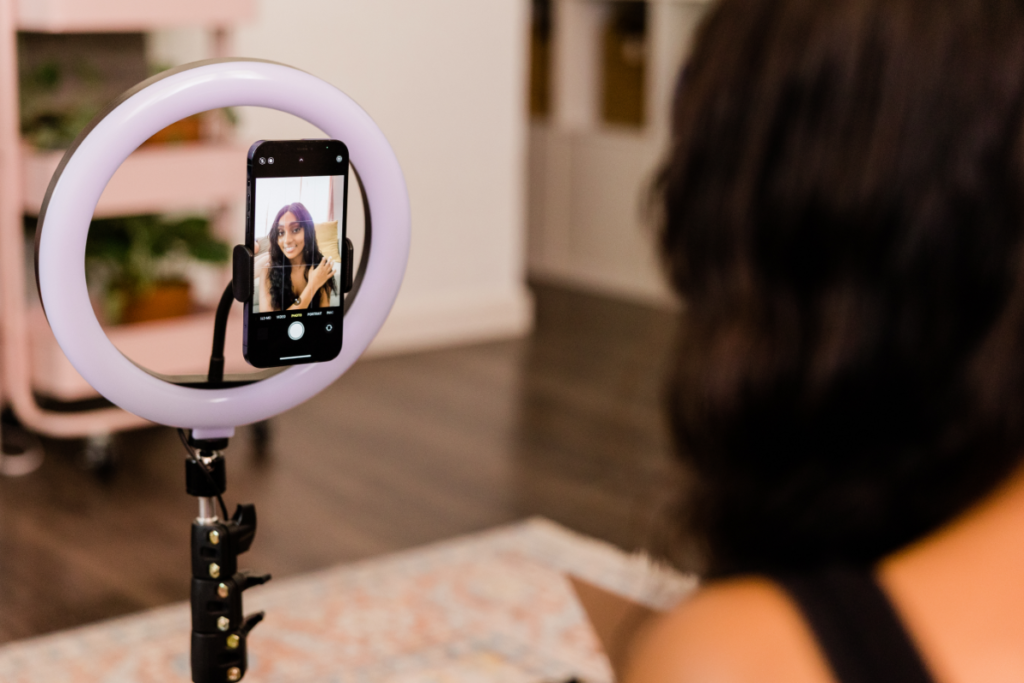
If you want to become confident at something, practice regularly.
Want to become a better writer? Write often.
Want to speak better? Practice conversations.
Want to improve your presentation skills? Explain your ideas aloud.
Want to understand technology? Use it and learn from your mistakes.
At first, it may feel uncomfortable.
That’s normal.
Think about using a new computer program. The first few times, you may need to carefully follow every step. After regular practice, those same steps become much easier.
Practice turns unfamiliar things into familiar experiences.
Stop Comparing Your Journey With Others

Comparison can quietly damage your confidence.
You might see someone online getting a great job, traveling, starting a business, or learning something new.
Then you think:
“Why am I not doing that?”
But you’re seeing only one part of their story.
You don’t know how many difficult days they had.
You don’t know how many mistakes they made.
You don’t know how long they worked before reaching that point.
Instead, compare yourself with your past self.
Ask:
- What have I learned?
- What feels easier now?
- What can I do today that I couldn’t do before?
- What small progress have I made?
Learn Something From Every Mistake

Mistakes are uncomfortable, but they can also be useful.
Suppose you missed a deadline because you started too late.
You could think:
“I’m bad at everything.”
Or you could think:
“Next time, I’ll start earlier and divide the work into smaller tasks.”
The second thought gives you something useful to work on.
After making a mistake, ask yourself:
| Question | Why It Helps |
|---|---|
| What happened? | Helps you understand the situation |
| What went wrong? | Shows what needs improvement |
| What did I learn? | Turns the mistake into experience |
| What can I change? | Gives you a practical next step |
Remember:
A mistake is something you made, not who you are.
Keep Small Promises to Yourself

One of the most underrated ways to build confidence is to keep promises you make to yourself.
Tell yourself:
“I’ll read for 10 minutes.”
Then do it.
Tell yourself:
“I’ll practice today.”
Then practice.
Tell yourself:
“I’ll finish this task before watching videos.”
Then follow through.
You don’t need to make huge promises.
Start small.
Every time you keep your word, you build self-trust.
Eventually, you begin to feel:
“I can rely on myself.”
That’s a powerful feeling.
Improve Your Communication

You don’t have to be the loudest person in the room to communicate confidently.
Good communication is about listening, speaking clearly, asking questions, and respecting other people’s opinions.
Try these simple habits:
- Listen without interrupting.
- Speak at a comfortable pace.
- Ask questions when you’re unsure.
- Share your thoughts honestly.
- Think before responding.
- Don’t pretend to know everything.
And don’t be afraid to say:
“I don’t know, but I’ll find out.”
Knowing everything isn’t confidence.
Being comfortable with what you know and what you still need to learn is confidence.
Spend Time With Positive and Supportive People

The people around you can affect how you see yourself.
Try to spend time with people who respect you, encourage your efforts, and allow you to be yourself.
A supportive person doesn’t have to praise everything you do.
Sometimes they’ll give you honest advice, but they’ll do it with respect.
You don’t need hundreds of friends.
A few genuine people can make a big difference.
Take a Break and Enjoy Nature

Modern life can feel noisy.
Notifications, messages, work, study, social media—there is always something demanding attention.
Sometimes, simply stepping outside can help.
Take a short walk.
Look at the trees.
Watch the clouds.
Feel the breeze.
Notice the morning sunlight.
You don’t need to turn every moment into a productivity exercise.
Sometimes your mind simply needs a quiet place to breathe.
Nature has a simple lesson: growth takes time.
A tree doesn’t become tall overnight.
You don’t have to rush your personal growth either.
Step Outside Your Comfort Zone Slowly

Confidence grows when you try things that are slightly unfamiliar.
But don’t make the mistake of overwhelming yourself.
Take small steps.
If speaking to a group feels difficult, start with one person.
If you’re nervous about asking questions, ask one simple question.
If learning something new feels intimidating, begin with the basics.
Small challenges can gradually make your comfort zone bigger.
You don’t have to climb the whole mountain today.
Just focus on the next step.
Simple Confidence-Building Routine

Try this easy routine:
| Time | Small Confidence Habit |
|---|---|
| Morning | Choose one realistic goal |
| Daytime | Complete one important task |
| Learning time | Practice a useful skill |
| Evening | Write down one small win |
| Weekend | Review your progress |
Keep it simple.
The purpose isn’t to create another stressful checklist.
It’s to help you notice your own progress.
FAQ’S
. How can I build confidence in myself?
You can build confidence by setting small goals, practicing useful skills, learning from mistakes, and keeping promises to yourself. Confidence grows through regular action and experience.
2. What are the best ways to improve self-confidence?
Some practical ways include positive self-talk, preparation, skill-building, healthy routines, and stepping outside your comfort zone gradually.
3. Can confidence be learned?
Yes. Confidence is a skill that can be developed over time. The more you practice, learn, and handle new situations, the more comfortable you can become.
4. How can I become confident without feeling ready?
Don’t wait for the perfect moment. Start with a small and manageable action. Taking action can give you experience, and that experience can gradually build confidence.
5. How does positive self-talk help confidence?
Positive and realistic self-talk can help you avoid unnecessary self-criticism. Instead of saying, “I can’t do this,” try thinking, “I can learn this step by step.”

Wearable Technology: Smart Devices Shaping the Future of Everyday Life
Technology has become something we carry everywhere. Our phones are in our pockets, laptops sit…

Transformative Biotech and Health Tech: Smart Innovations for Better Health
From smartwatches that count our steps to advanced laboratories studying genes and diseases, Biotechnology makes…

Business Planning & Strategy: From Idea to Business Growth
Starting a business often begins with a simple thought: “What if I turn this idea…

Proven Strategies to Boost Content Performance and Growth
Creating Content takes time. You choose a topic, write the article, Content make images, create…

The Ultimate Practical Guide to Personal Growth
Personal growth is not about becoming a completely different person. It is about understanding yourself…

How to Build a Creator Business and Make Money Online
Creating content online used to sound like something only famous Business YouTubers, influencers, or celebrities…