
Starting a blog can look easy from the outside. BloggingYou choose a name, write an article, press publish,Start BLOGGING and wait for people to read it. But when you actually sit down to create your first blog, you may suddenly wonder, “GuideWhat should I write about? Will people read it? Am I doing this correctly?”
Honestly, feeling confused at the beginning is completely normal.
Blogging is not about knowing everything from day one. It’s about starting with something you know, learning what you don’t know, and improving with every article you publish. Your first post may not be perfect—and it doesn’t need to be.
Think of blogging like growing a small plant. You choose the seed, give it water and sunlight, and then give it time. You cannot force it to become a tree overnight. A blog grows in much the same way: slowly, consistently, and with care.
This guide explains how to start blogging in a practical and beginner-friendly way.
What Is Blogging?
Blogging simply means creating and publishing useful content on a website. Most blogs contain articles that answer questions, share information, explain ideas, or provide practical advice.
Blogs can be about almost anything:
- Lifestyle
- Technology
- Travel
- Food
- Education
- Business
- Personal development
- Health and wellness
- Hobbies
For example, imagine you love cooking and your friends always ask you for your easy dinner recipes. Instead of keeping those recipes in a notebook, you could turn them into blog posts.
Or perhaps you’re learning digital marketing. You could write beginner-friendly articles explaining SEO, social media marketing, content writing, and blogging.
You don’t have to be the world’s biggest expert.
If you can explain something clearly and honestly, you can create useful content.
Why Should You Start a Blog?

People start blogs for many different reasons.
Some want to share their thoughts, while others want to build a career, promote a business, improve their writing, or create an online income stream.
A blog can help you:
- Share your knowledge and ideas
- Improve your writing skills
- Build an online presence
- Develop a personal brand
- Learn SEO and digital marketing
- Connect with people who share your interests
- Promote products or services
- Create future income opportunities
One thing many beginners don’t realize is that blogging teaches you to think from the reader’s point of view.
At first, you may ask, “What do I want to write?”
After some practice, you start asking, “What does my reader actually need?”
That change can make a huge difference.
Step 1: Choose a Topic You Actually Care About

Your first real decision is choosing what your blog will be about. This is often called your blog niche.
My practical advice? Don’t choose a topic only because you heard it makes money.
If you don’t enjoy the subject, writing your tenth or twentieth article can start feeling like homework.
Instead, think about:
- What am I interested in?
- What do I already know?
- What am I willing to learn?
- What questions do people ask about this topic?
- Can I create many useful articles around it?
For example:
| Blog Niche | Possible Topics |
|---|---|
| Lifestyle | Self-care, routines, daily habits |
| Technology | Apps, software, beginner guides |
| Travel | Destinations, planning, travel tips |
| Food | Recipes, cooking tips, meal ideas |
| Education | Study tips, learning methods |
| Business | Marketing, entrepreneurship, small business |
| Personal Development | Habits, confidence, productivity |
Choose a topic that gives you enough room to grow.
You don’t need to know everything. Being curious is a good enough reason to begin.
Step 2: Understand Your Reader
Here’s a small observation: people don’t usually search the internet because they want to read something—they search because they want an answer.
Someone searching “how to start a blog” is probably confused about the process.
Someone searching “easy dinner recipes” probably wants something they can actually cook.
Someone searching “how to improve writing skills” wants practical guidance.
So before writing, ask:
Who am I helping?
What problem are they trying to solve?
What would make this easier for them?
Imagine you’re sitting across from your reader and explaining the topic over a cup of tea.
You probably wouldn’t use complicated words just to sound professional. You’d say, “Let’s make this simple.”
That’s exactly how your blog should feel.
Step 3: Choose a Simple Blog Name

Your blog name is part of your online identity.
Try to choose a name that is easy to remember, easy to spell, and simple to pronounce.
If possible, choose something related to your topic but flexible enough to allow your blog to grow.
For example, if you start with lifestyle content, you may later want to write about wellness, personal development, or productivity.
Don’t spend weeks searching for a “perfect” name.
A good name that you actually use is more valuable than a perfect name that keeps you stuck in the planning stage.
Step 4: Choose a Blogging Platform
Now you need a platform where you can create and manage your blog.
There are different blogging and website-building platforms available. They vary in terms of cost, ease of use, design options, SEO features, and customization.
If you’re a complete beginner, choose something you can understand comfortably.
You don’t need to become a website expert overnight.
Think about learning to drive. You don’t learn every single mechanical detail of a car before your first lesson. You learn the basics first and become more comfortable with practice.
Blogging works the same way.
Step 5: Get a Domain and Hosting
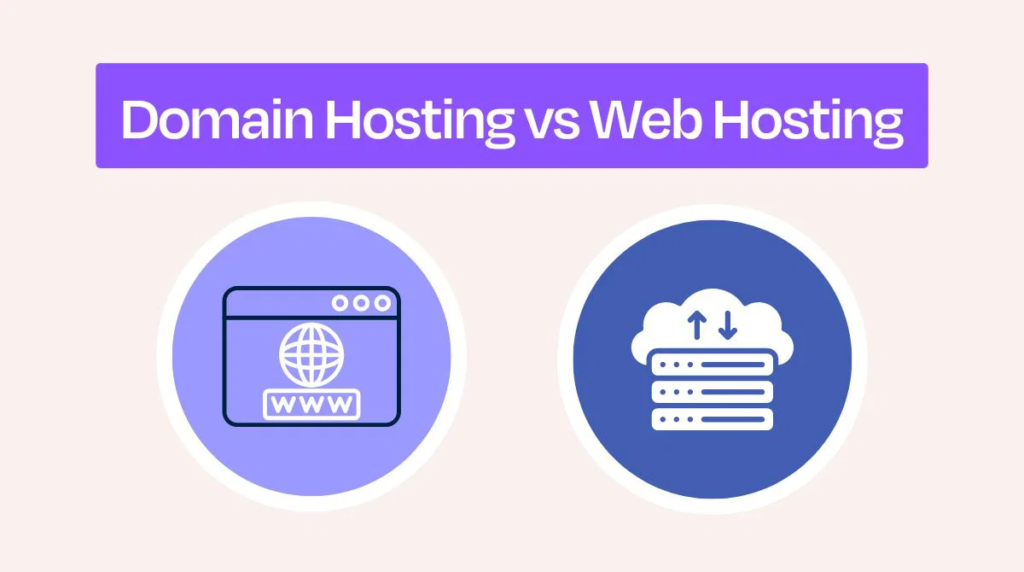
If you’re creating a professional blog, you’ll generally need a domain name and web hosting.
Your domain is your website’s address, such as:
yourblog.com
Hosting is the service that stores your website’s files and makes your site available online.
An easy way to remember it:
Domain = your online address
Hosting = the space where your website lives
Try to keep your domain short and easy to remember.
Avoid unnecessary numbers, complicated spelling, or a name that is difficult to tell someone verbally.
Step 6: Keep Your Blog Design Simple
This is where many beginners get distracted.
You start choosing colors.
Then fonts.
Then themes.
Then animations.
Suddenly, two hours have passed and you still haven’t written your first paragraph.
Don’t let design become an excuse to delay your content.
Your website should be:
- Clean
- Easy to read
- Mobile-friendly
- Easy to navigate
- Fast and simple
Basic pages can include:
Home | Blog | About | Contact | Categories
A beautiful website is nice, but useful content is what gives readers a reason to return.
Step 7: Plan Your First Blog Posts

Before writing, make a simple content list.
Let’s say your blog is about blogging. Your first few articles might be:
- How to Start Blogging: A Step-by-Step Guide for Beginners
- What Is SEO? A Beginner’s Guide
- How to Choose a Blog Niche
- How to Write a Blog Post
- Common Blogging Mistakes Beginners Should Avoid
This makes the whole process less stressful.
Instead of opening your laptop every morning and thinking, “What am I going to write today?”, you already have ideas waiting for you.
A simple content plan can save a surprising amount of time.
Step 8: Write Like a Human
This is probably one of the most important tips.
Don’t try to make your writing sound like a textbook.
Imagine you’re explaining the topic to a friend who has never heard about it before.
Use simple words.
Add examples.
Share practical observations.
Give honest opinions when they add value.
For example, instead of saying:
“Bloggers should implement a consistent content strategy.”
Say:
“You don’t need to publish every day. Choose a schedule you can actually maintain, even if that means posting once a week.”
The second sentence feels more natural because it sounds like advice from a real person.
Step 9: Add Relatable Examples

Examples make information easier to understand.
Suppose you’re explaining consistency.
Instead of simply saying:
“Be consistent with blogging.”
Give a real example:
“If you have a full-time job or studies, writing seven articles every week may be unrealistic. One useful article every Sunday might work much better.”
That’s practical because it considers real life.
People have busy days. Plans change. Sometimes you have energy to write, and sometimes you don’t.
Good content understands that.
Step 10: Add Your Own Thoughts and Observations
Your personal perspective can make an article feel much more genuine.
For example:
“One mistake I often see beginners make is spending too much time designing their blog before publishing anything. In my opinion, it’s better to start with a simple design and focus your energy on useful content.”
Small observations like this give your article personality.
You can also use natural phrases such as:
- “Honestly…”
- “Here’s the practical part…”
- “A simple way to look at it is…”
- “Don’t worry if this feels confusing at first.”
- “In real life, this might look like…”
- “One common mistake beginners make is…”
These phrases can make your content feel like a conversation rather than a lecture.
Step 11: Learn Basic SEO
SEO stands for Search Engine Optimization.
It helps search engines understand your content and can help your articles appear when people search for relevant information.
As a beginner, focus on the basics:
- Use a clear title
- Choose relevant keywords
- Create useful headings
- Write a helpful meta description
- Add descriptive image alt text
- Link to related articles
- Make your website easy to use
- Create genuinely helpful content
But don’t make your article sound robotic by repeating the same keyword again and again.
Write naturally first. Optimize second.
If your reader enjoys the article and gets the answer they were looking for, you’re already doing something right.
Step 12: Edit Before You Publish
Don’t worry if your first draft isn’t perfect.
The first draft is for getting your ideas out. Editing is where you make those ideas clearer.
Before publishing, check:
- Spelling
- Grammar
- Repeated points
- Long sentences
- Missing information
- Broken links
- Formatting
A simple trick is to read your article out loud.
You’ll often notice sentences that look fine on the screen but sound awkward when spoken.
Step 13: Publish Consistently
You don’t need to publish every day.
For many beginners, one useful article per week is a realistic starting point.
If you can publish twice a month, that’s okay too.
The important thing is choosing a routine that fits your actual life.
Think about nature again.
A plant doesn’t grow because you pour an entire bucket of water on it once. It grows because it receives regular care over time.
Your blog is similar.
Step 14: Promote Your Blog

Publishing an article doesn’t automatically bring readers.
Share your content through relevant social media platforms, email newsletters, professional networks, or communities where your audience spends time.
But don’t just post:
“New blog! Read now!”
Give people a reason to care.
For example:
“Confused about starting your first blog? This beginner-friendly guide explains the process from choosing a topic to publishing your first article.”
That’s clearer and more useful.
Step 15: Be Patient With Growth
This is the part nobody likes hearing: blogging takes time.
You may publish an article and see very few visitors at first.
That doesn’t automatically mean your content is bad.
Maybe your website is new. Maybe people haven’t discovered it yet. Maybe your headline needs improvement. Maybe you need more articles around the same topic.
Instead of asking:
“Why isn’t this working?”
Try asking:
“What can this result teach me?”
That small change in thinking can help you stay motivated.
Can Blogging Make Money?

Yes, blogging can eventually become an income source, but it usually takes time to build an audience first.
Possible income methods include:
- Advertising
- Affiliate marketing
- Sponsored content
- Digital products
- Online courses
- Freelance services
- Consulting
- Brand partnerships
My practical opinion is simple: don’t make money your only goal when you’re starting.
First, create something useful.
Then build trust.
Then understand your audience.
. How do I start blogging as a beginner?
FAQ’S.
. How do I start blogging as a beginner?
To start blogging, choose a topic you enjoy, identify your target audience, select a blogging platform, choose a domain name, and start creating useful content. You can learn SEO and promotion gradually as your blog grows.
2. What should I blog about as a beginner?
Choose a topic that combines your interests, knowledge, and what people are searching for. Popular areas include lifestyle, technology, travel, food, education, personal development, and business.
3. How much does it cost to start a blog?
The cost depends on the platform and services you choose. You can start with free blogging platforms, while a professional blog may require expenses for domain registration, hosting, themes, and other tools.
4. Which blogging platform is best for beginners?
The best platform depends on your goals, budget, and technical experience. Beginners should look for a platform that is easy to use, customizable, SEO-friendly, and suitable for future growth.
5. How do I choose a blog niche?
Choose a niche you’re genuinely interested in and can write about consistently. A good niche should have enough topics to cover and an audience looking for useful information.