
1. Artificial Intelligence Is Getting Useful (Finally!)
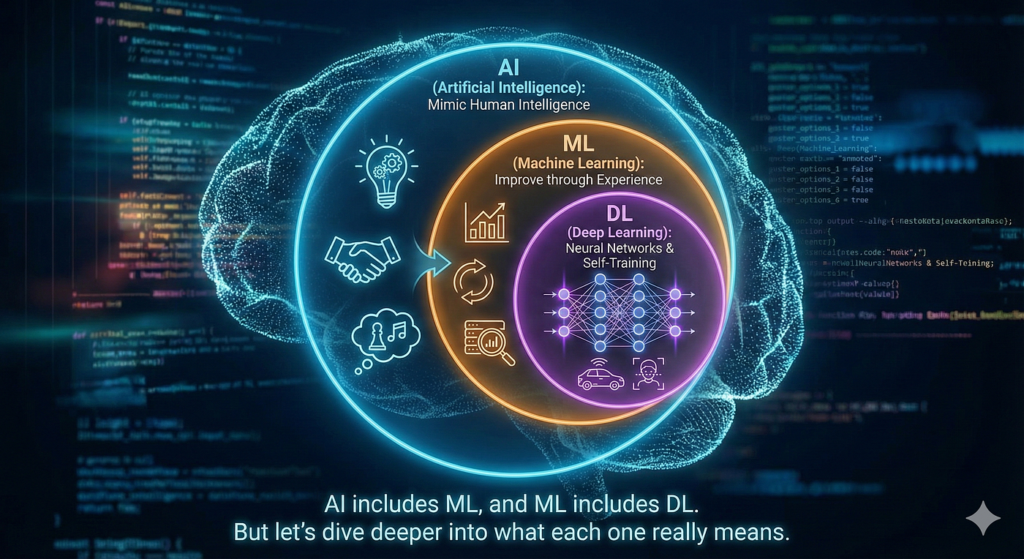
Let’s be honest: for a while, Artificial Intelligence (AI) felt like a flashy gimmick or something straight out of a sci-fi movie. But in 2026, the narrative has completely shifted. AI isn’t just about fun chatbots or generating silly pictures anymore—it’s actively helping us analyze complex data, automate boring chores, write content, and tackle everyday headaches.
What’s great is how accessible these AI tools have become for everyone. Students use them as patient tutors, small business owners use them to handle customer questions around the clock, and busy professionals lean on them to clear out their inboxes faster. The real magic of AI isn’t about pushing people out of their jobs—it’s about boosting human productivity and helping us make smarter decisions without burning out.
2. AI Agents: Tech That Works on Autopilot
If basic AI tools are like smart calculators that answer one question at a time, autonomous AI agents are more like having a dedicated virtual assistant. Instead of waiting for you to type every single instruction, an AI agent can take a high-level goal, break it down, and execute a whole sequence of steps on its own.
Imagine asking a system to research a topic, draft a summary, build a presentation, and schedule a meeting to discuss it—all with one request. That’s where we are now. Organizations are leaning heavily into these automated workflows so that teams can step away from repetitive data entry and focus on what humans do best: creativity, critical thinking, and genuine human connection.
3. Modern Robotics Beyond the Factory Floor

When most people think of robotics, they picture giant mechanical arms spot-welding cars in a factory. While that’s still true, modern robots have stepped far beyond the assembly line into healthcare, farming, warehouses, and even local delivery routes.
Thanks to leaps in machine learning, smart sensors, and computer vision, robots can now navigate unpredictable, messy environments alongside humans. Whether it’s a robotic arm helping a surgeon perform a delicate procedure or an automated tractor managing crop fields, the ultimate goal isn’t just replacing workers—it’s improving safety, eliminating physically dangerous tasks, and reducing costly mistakes.
4. Smart Homes: Connected Devices That Actually Help
We’ve lived with the Internet of Things (IoT) for a while now, but early smart devices were often clunky and frustrating to set up. Today, smartwatches, home security networks, smart appliances, and automated lighting actually talk to each other without endless troubleshooting.
Your smart home can now quietly optimize your heating bill while you’re at work, adjust lighting based on your morning routine, and let you manage everything through simple voice commands. Of course, putting dozens of connected gadgets in our living spaces raises valid questions about data privacy and cybersecurity—making robust security setups more important than ever.
5. Faster Networks Keeping the World Synced Up

None of these fancy digital experiences work without a solid, fast internet connection behind them. Major rollouts in 5G infrastructure, fiber-optic cables, and satellite internet mean high-speed connectivity is reaching places that used to suffer from terrible signal.
This backend upgrade is what makes modern life run smoothly—from seamless remote work and telemedicine appointments to smart city sensors and autonomous vehicles. When lag disappears, services operate in true real-time, no matter where you happen to be sitting with your laptop.
6. Extended Reality: Digital World Meets Real Life
Extended Reality (XR)—which bundles Virtual Reality (VR), Augmented Reality (AR), and Mixed Reality (MR) together—is moving past video games and finding real purpose in our day-to-day lives.
While VR drops you into a completely digital environment, AR layers digital information right over the real world around you. Medical students now practice complex operations in risk-free virtual operating rooms, architects walk clients through 3D buildings before laying a single brick, and remote work teams brainstorm around virtual whiteboards that feel surprisingly real.
7. Cloud and Edge Computing: Working Behind the Scenes
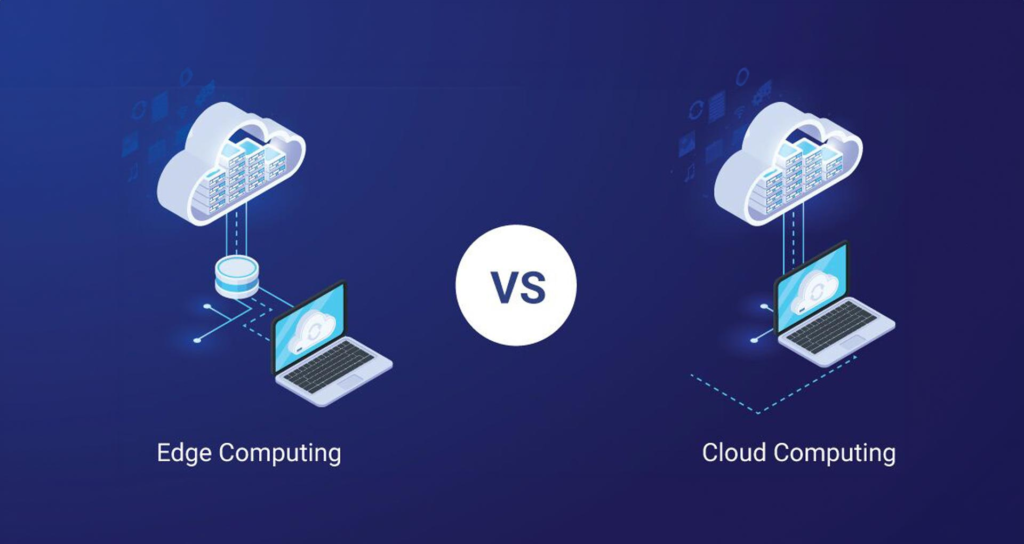
Most of us don’t spend our days thinking about server infrastructure, but cloud computing is what powers virtually every app on your phone. However, sending every single tap or click to a distant server thousands of miles away takes time.
That’s where edge computing comes in. By processing data right on the local device—or on a nearby server—edge devices eliminate lag entirely. This split-second reaction time is crucial for things like self-driving cars, industrial assembly lines, and real-time health monitors where a microsecond delay actually matters.
8. Cybersecurity: Staying Safe in a Digital World
The more connected our lives become, the more tempting we are to digital bad actors. That’s why modern cybersecurity defenses aren’t just an afterthought anymore—they’re built directly into software from day one.
Companies are using AI-driven security and zero-trust models to catch cyber threats before they cause damage. But on an individual level, tech can only do so much. Sticking to healthy habits—like using strong passwords, turning on multi-factor authentication (MFA), and staying cautious around weird links—remains our best personal defense.
9. Green Technology for a Cleaner Future

As our appetite for data grows, so does the energy required to power it all. Luckily, green technology is stepping up to make our tech footprint much cleaner and more efficient.
Innovations in renewable energy grids, electric vehicles, high-capacity batteries, and energy-efficient microprocessors are helping reduce overall environmental impact. Even massive tech companies are redesigning data centers to use sustainable cooling and clean energy, proving that technological progress doesn’t have to come at the planet’s expense.
10. Healthcare Tech: Living Longer, Healthier Lives
The intersection of technology and healthcare is changing how we manage our well-being. From AI diagnostic tools that spot illnesses earlier to wearable health monitors that track heart rhythms and sleep patterns, we have more visibility into our health than ever before.
Wearable devices give us real-time feedback on our bodies, while digital platforms help doctors manage patient care without getting buried in paperwork. But even with all these high-tech tools, one thing remains unchanged: qualified healthcare professionals are still essential for genuine empathy, accurate diagnoses, and personal care.
How Technology Impacts Our Daily Routine
It’s easy to talk about tech in abstract terms, but here is how it actually touches our day-to-day lives:
- Education: Interactive learning tools adapt to how individual students learn best, making tough subjects way less intimidating.
- Workplace Culture: Automated workflows take care of dreary, repetitive tasks, giving people more time to work on meaningful projects.
- Home Life: Connected appliances help manage energy bills and household chores with minimal friction.
- Getting Around: Electric drivetrains and smart traffic systems are making daily commutes cleaner, safer, and less stressful.
- Staying Connected: High-speed networks make staying in touch with friends, family, and coworkers across the globe feel effort-free.
Real-World Skills Worth Building

You don’t need a computer science degree to thrive in a high-tech world. Focus on these practical, human-centered skills instead:
- AI Literacy: Learning how to ask AI tools the right questions and evaluate their answers critically.
- Digital Communication: Getting your point across clearly across email, chat, and video calls.
- Data Common Sense: Looking at basic charts or numbers and understanding what they actually mean.
- Cybersecurity Awareness: Knowing how to protect your personal identity and accounts online.
- Adaptability: Staying open-minded and curious when a new tool or platform comes along.
The Big Challenges We Need to Talk About
Technological growth brings plenty of perks, but it also comes with real-world headaches that we can’t ignore:
- Privacy Concerns: With apps tracking so much data, protecting personal boundaries is harder than ever.
- Evolving Cyber Threats: Scams and cyberattacks are getting more convincing every year.
- Job Shifts: Automation changes the job market, making continuous learning and retraining vital for workers.
- The Digital Divide: Ensuring rural areas and lower-income communities aren’t left behind without high-speed internet access.
How to Stay Ahead Without Getting Overwhelmed
Trying to keep up with every single tech headline will exhaust you. Instead, take a relaxed, practical approach:
- Pick Reliable Sources: Find a couple of trustworthy tech blogs or podcasts that explain things simply.
- Play Around with New Tools: Spend 15 minutes testing out a new app or AI feature just to see how it works.
- Keep Your Accounts Safe: Take an afternoon to clean up your passwords and turn on multi-factor authentication.
- Double Down on Being Human: Focus on empathy, leadership, creativity, and problem-solving—the unique human traits no computer program can truly copy.
FAQs
1. What do we mean by “future technology”?
It simply refers to emerging tools, software, and hardware that are currently reshaping how we work, communicate, and handle day-to-day tasks.
2. What’s the single biggest tech trend right now?
Artificial Intelligence—specifically smart AI agents that can run multi-step tasks independently—alongside cybersecurity and green technology.
3. Is AI going to take away everyone’s job?
No. While AI handles repetitive chores, most jobs rely heavily on human judgment, empathy, negotiation, and creative strategy.
4. What tech skill should a complete beginner learn first?
Start with basic AI literacy and solid cybersecurity habits. Knowing how to use modern digital tools safely puts you way ahead of the curve.
5. Why is cybersecurity such a hot topic?
Because almost every part of our personal and professional lives is connected online. Protecting that data keeps our money, identity, and privacy safe from online scams.