
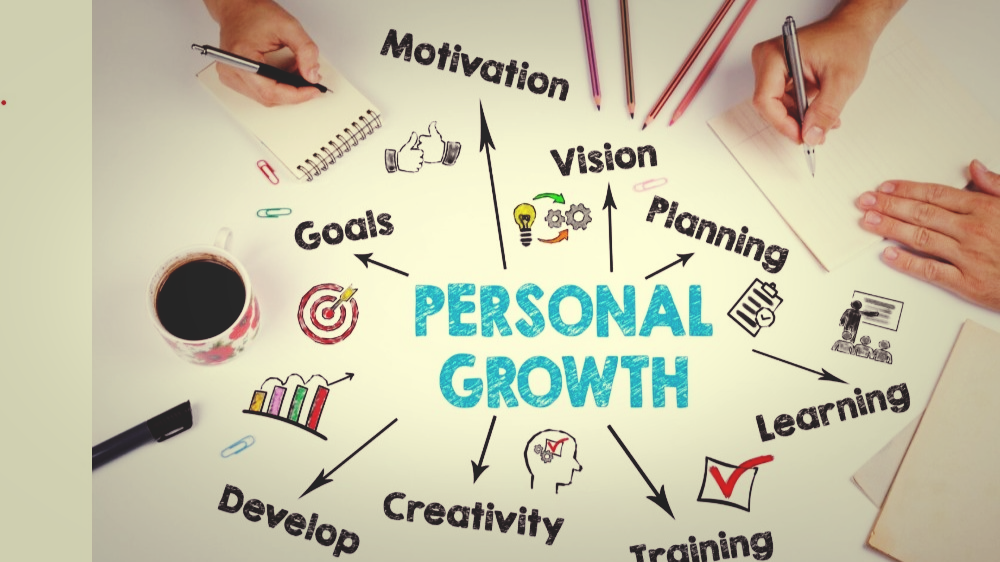
Let’s get one thing straight right away: personal growth isn’t about becoming “perfect,” nor is it about copying someone else’s highlight reel on social media. It’s simply about becoming a slightly stronger, more capable, and more comfortable version of yourself than you were yesterday.
Life gets messy. Between work, family, unexpected changes, and endless daily to-do lists, it’s easy to feel stuck. But working on your own self-development doesn’t require a total life overhaul. In fact, real change almost always starts with tiny, quiet shifts in how you think and act every day.
Here are 10 down-to-earth ways to support your personal growth and build a life you actually enjoy living.
ou can’t figure out where you’re going if you don’t know where you’re starting from. That’s why honest self-awareness is the foundation of everything else. Take a quiet moment to check in with yourself—no judgment, just curiosity.
Y
- What am I genuinely good at?
- Which skills do I secretly wish I had?
- What gives me actual energy, and what completely drains me?
- Which daily habits are helping me, and which ones are keeping me stuck?
- What do I actually want my life to look like a year from now?
When you know your own triggers, strengths, and blind spots, you stop reacting on autopilot and start making choices on purpose.
2. Set Goals That Actually Make Sense
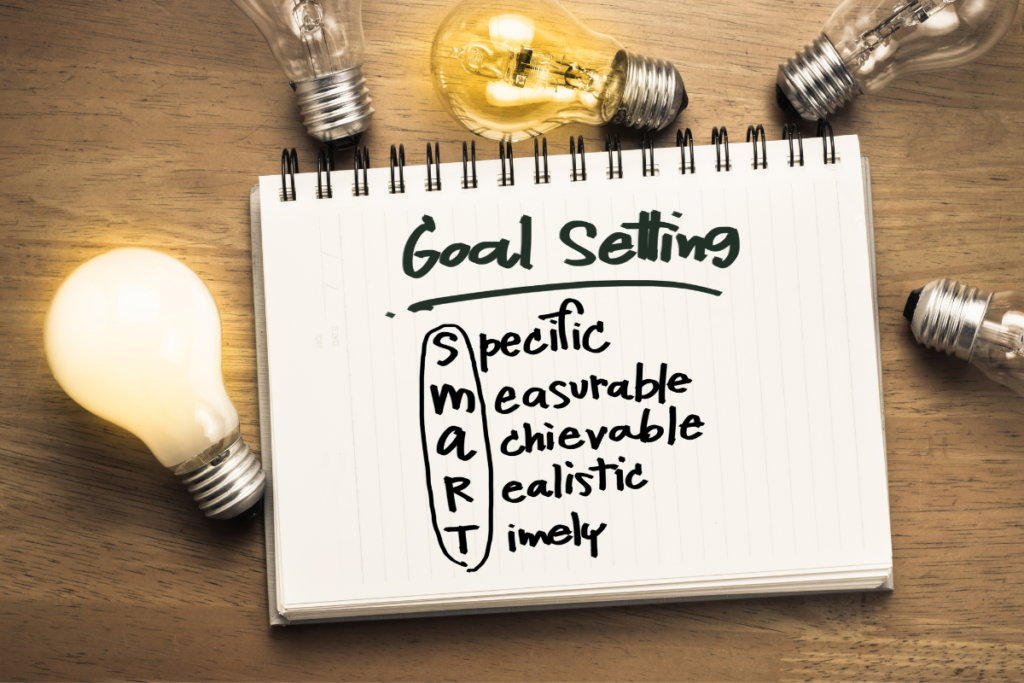
We’ve all set vague goals like “I’m going to get healthy” or “I’m going to read more,” only to abandon them three days later. Broad goals are hard to stick to because your brain doesn’t know what to do with them.
Instead, pick something specific and manageable. Want to read more? Commit to five pages every morning with your coffee. Want to improve your career skills? Decide to spend 20 minutes learning a new software tool three times a week. Break big dreams down into tiny, realistic action steps. Small wins build momentum, and momentum keeps you going.
3. Focus on Small Daily Habits, Not Big Overhauls
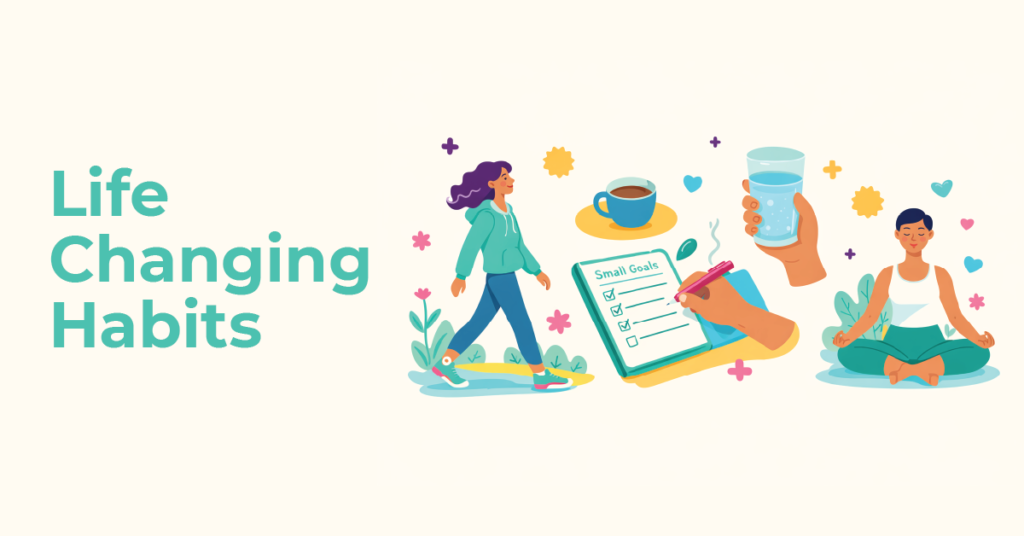
Inspiration is great for starting something, but daily habits are what keep you going long after the initial motivation wears off. You don’t need to wake up at 4:00 AM and change your entire lifestyle overnight—in fact, trying to change everything at once usually leads to burnout.
Try weaving a few simple routines into your day:
- Morning check-in: Spend two minutes outlining your main priority for the day.
- Mental breaks: Step away from your screens for a short walk or stretch.
- Tidy space: Clear your workspace at the end of the day so you start fresh tomorrow.
- Unplugging: Put your phone away 30 minutes before sleep.
Consistency will always beat intensity. Doing a tiny helpful thing every single day matters far more than doing something huge once every three months.
4. Keep Learning New Things

The moment you stop learning, life starts feeling a bit stale. Expanding your mind keeps you sharp, boosts your self-confidence, and opens up doors you didn’t even know were there.
You don’t need to go back to college to learn. Read articles, listen to podcasts while doing dishes, take an online course, or learn directly from people around you. Mastering practical skills—whether that’s content writing, basic budgeting, SEO, public speaking, or a new software—keeps you adaptable and capable in a changing world.
5. Work on How You Talk (and Listen) to People
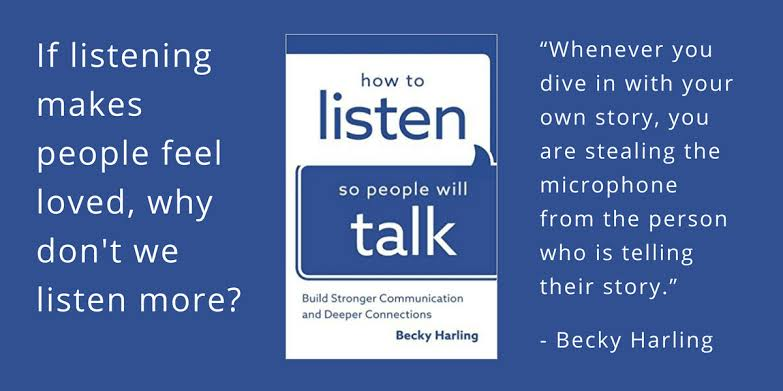
Good communication skills can completely change your personal and work life. But here’s the trick most people miss: real communication is much less about talking and much more about active listening.
When someone else is speaking, try listening to understand them rather than just waiting for your turn to talk. Speak clearly, be direct, and state what you mean with kindness. When you learn to express yourself calmly and genuinely listen to others, your relationships become deeper and a lot less stressful.
6. Stop Fearing Mistakes—Treat Them as Lessons
Nobody gets everything right on the first try. Making a mistake doesn’t mean you failed; it just means you tried something that didn’t work out.
The next time something falls flat, skip the negative self-talk and ask yourself three quick questions:
- What actually happened here?
- What can I learn from this?
- What will I do differently next time?
When you start treating missteps as free feedback rather than personal flaws, you build incredible psychological resilience.
7. Protect Your Time like It Matters (Because It Does)
Time is the one thing you can’t get back, which makes time management less about squeezing more work into your day and more about protecting your energy for what actually matters.
Start your morning by picking your “must-do” task—the one thing that will make you feel accomplished if you get it done. Do that first before diving into emails, text messages, and social media distractions. Also, try focusing on one thing at a time. Multitasking is mostly just a fast way to make mistakes and tire out your brain.
8. Build Confidence Through Small Acts of Courage8.
Nobody is born with endless self-confidence; it’s a muscle you build by doing hard things step-by-step. You don’t need to feel 100% ready before you try something new. You just need to be willing to be a little uncomfortable.
If public speaking terrifies you, start by sharing an idea in a small meeting with a coworker you trust. If you want to try a new hobby, give yourself permission to be bad at it for a while. Confidence isn’t the absence of fear—it’s the realization that even if things don’t go smoothly, you’ll be completely fine anyway.
9. Stop Comparing Your Life to Everyone Else’s
Comparing your everyday life to someone else’s highlight reel is a fast track to feeling miserable. Everyone is running a different race, with different starting lines, resources, and unexpected challenges.
Instead of asking, “Why am I not as far along as them?” shift your focus inward: “Am I making progress compared to where I was six months ago?” Focus on your own lane. Celebrating your own small, quiet victories makes the journey a whole lot more satisfying.
10. Don’t Neglect Your Health and Peace of Mind
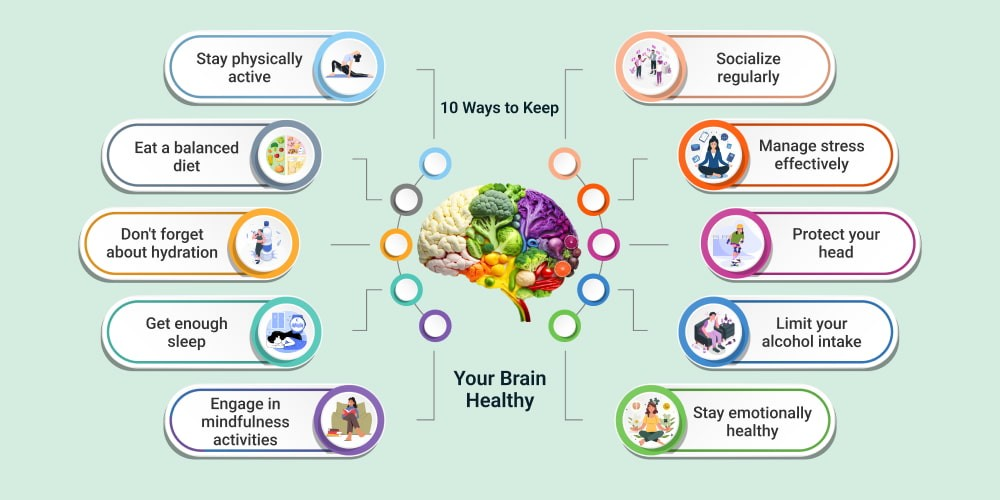
Personal growth isn’t just about productivity, career hustle, or grinding non-stop. If you are exhausted, stressed out, and running on empty, none of your success will feel very good anyway.
Make room in your life for things that recharge your batteries:
| Priority | What It Actually Looks Like | Why It Matters |
| Physical Movement | Going for a daily walk or doing quick stretches | Keeps your energy high and reduces physical tension. |
| Real Rest | Getting 7–8 hours of decent sleep | Gives your brain time to reset and process information. |
| Unplugged Time | Spending time with friends, family, or hobbies | Reminds you that life is bigger than your work list. |
| Mental Space | Taking 5 quiet minutes without screens | Calms your nervous system and clears mental noise. |
Taking a break isn’t laziness—it’s maintenance. You can’t pour from an empty cup.
How to Create a Routine That Actually Sticks
You don’t need a complicated 15-step schedule to stay on track. Keep it basic and flexible so it fits your real life:
- Morning: Spend 5 minutes planning your day and sipping your coffee without rushing.
- Midday: Focus on your work, take a real lunch break, and spend 15 minutes learning something helpful.
- Evening: Unwind, reflect briefly on what went well today, and get some good rest.
Staying Consistency Without Being Hard on Yourself
Real growth takes time. You won’t notice massive changes overnight, and that is completely normal. On days when you feel off or fall behind, don’t throw in the towel—just pick back up where you left off.
Focus on direction over perfection. As long as you keep taking tiny, positive steps forward, those small efforts will compound into a life you’re genuinely proud of.
FAQ’S.
1. What does personal growth really mean in plain English?
It simply means taking intentional steps to know yourself better, learn useful skills, drop bad habits, and handle life’s ups and downs with a bit more ease.
2. Where should I start if I feel completely overwhelmed?
Pick just one small thing. Drink an extra glass of water, read five pages of a book, or organize your desk. Master one tiny habit before adding another.
3. What are the best daily habits for long-term growth?
Getting enough sleep, moving your body, reading regularly, planning your day, listening carefully, and giving yourself quiet time to reflect.
4. How long does it take to notice real changes?
You might feel a mood boost within a few days of starting a new routine, but noticeable life changes usually show up after 2 to 3 months of steady, quiet consistency.
5. Why is self-awareness so important?
Because you can’t fix a problem you don’t realize you have. Understanding your own habits and triggers helps you make choices that actually fit your life.