

Entrepreneurship doesn’t look the way it did even five years ago. The idea of raising massive funding, building fast, and scaling at all costs is slowly being replaced by something more practical, more human, and more sustainable. New founders are entering a world where tools are smarter, audiences are more selective, and competition is everywhere.
The good news is that change isn’t a disadvantage. For many first-time founders, it’s the biggest opportunity entrepreneurship has ever offered.
The Definition of Entrepreneurship Is Evolving
Entrepreneurship used to be associated with big offices, long hours, and large teams. Today, a business can be built from a laptop, scaled with automation, and supported by a global audience.
Side hustles are becoming serious businesses. Solo founders are building profitable companies without employees. Creativity and problem-solving now matter as much as capital.
As one startup mentor put it,
“Entrepreneurship is no longer about who raises the most money. It’s about who solves the right problem.”
This shift has lowered the barrier to entry while raising the bar for quality and clarity.
Technology Has Changed the Playing Field
New founders have access to tools that were once available only to large companies. AI, no-code platforms, digital marketing tools, and remote collaboration have reshaped how businesses are launched and managed.
What once took months can now be done in weeks. What once required a team can now be handled by one focused founder. The challenge isn’t access to tools anymore—it’s knowing how to use them effectively.
Customers Are More Informed and Selective
Today’s customers research before they buy. They compare options, read reviews, and expect transparency. Flashy marketing no longer works on its own. Businesses that win are those that listen, adapt, and build trust over time. Authenticity has become a competitive advantage, not a buzzword.
Founders who focus on long-term relationships rather than short-term sales are the ones seeing consistent growth.
Speed Matters, but So Does Sustainability
“Slow growth that lasts beats fast growth that collapses.”
The pressure to move fast hasn’t disappeared—but it has changed. Instead of scaling recklessly, successful entrepreneurs are testing ideas quickly, learning from feedback, and improving step by step.
Failing fast now means learning smart, not burning out or giving up. Many founders are choosing steady progress over explosive growth.
As one entrepreneur shared,
How New Founders Can Win in This New Era
Winning as a new founder doesn’t require perfection. It requires focus. Understanding your audience, offering real value, and staying adaptable matter more than having the perfect business plan. Building in public, sharing lessons, and staying close to your customers helps create loyalty early on. Founders who remain curious and open to change are better equipped to survive uncertainty. Entrepreneurship today rewards clarity, resilience, and consistency—not just bold ideas.
Frequently Asked Questions (FAQ)
Final Thoughts
Entrepreneurship is changing because the world is changing. The rules are more flexible, the paths are more diverse, and success no longer has a single definition. For new founders, this shift opens doors that were once closed. Those who embrace learning, stay human in their approach, and build with intention have more chances than ever to succeed.
The Truth About Online Earning: What No One Tells You
Scroll through social media for five minutes and you’ll see it everywhere—people claiming they make…
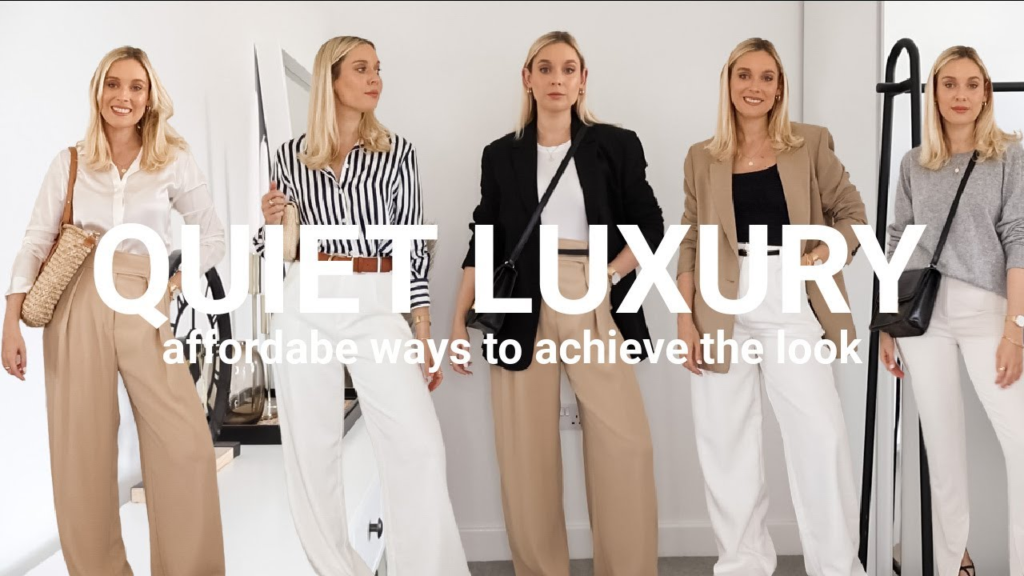
Why Quiet Luxury Is Dominating Fashion Right Now
Fashion trends often arrive loudly. They make bold statements, chase attention, and disappear just as…
From AI to Quantum Computing: The Most Powerful Future Tech Innovations
Technology has always shaped the way we live, work, and connect with the world. But…
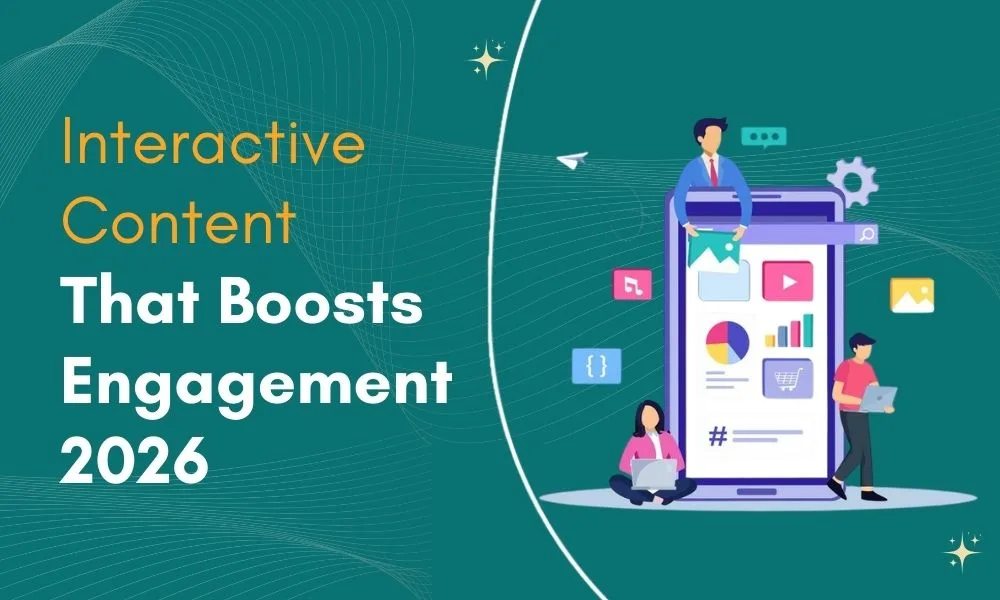
How to Make Content More Effective, Attractive, and Engaging in 2026
Content creation in 2026 is no longer about posting more. It’s about posting smarter. Audiences…
The Ultimate Creative Toolkit for Designers, Editors, and Marketers
In the digital-first world we live in today, creativity is no longer limited to one…
Simple Tech Upgrades That Made My Home Office More Efficient
When I first started working from home, I thought all I needed was a laptop…

This article is for informational purposes only and does not constitute business, financial, or legal advice. Results may vary depending on industry, market conditions, and individual circumstances.
#Entrepreneurship #StartupLife #BusinessGrowth #NewFounders #ModernBusiness #FounderJourney #SmallBusiness #Innovation #Carrerbook #Anslation