
Finding your personal style can feel confusing, especially when fashion trends change so quickly. One day you see oversized outfits everywhere, and the next day a completely different look becomes popular. It can make you wonder, “What actually suits me?”
The good news is that personal style isn’t about following every trend. It’s about discovering what makes you feel comfortable, confident, and like yourself.
You don’t need an expensive wardrobe or hundreds of clothes to look stylish. Sometimes, a simple outfit that feels natural can look much better than something trendy that doesn’t feel like you.
Your personal style develops gradually. It changes as your lifestyle, interests, and preferences change. So, instead of trying to find a “perfect” style, think of fashion as a way to express your personality.
What Is Personal Style?

Personal style is the way you choose to express yourself through clothing, colors, accessories, footwear, and overall appearance.
Some people naturally prefer simple and minimal outfits. Others enjoy bright colors, traditional clothing, sporty looks, or creative combinations.
There is no single right answer.
For example:
| Style Type | Common Features |
|---|---|
| Casual | Comfortable clothes, simple combinations |
| Minimalist | Clean designs, simple colors |
| Classic | Timeless pieces and polished looks |
| Sporty | Relaxed, practical clothing |
| Boho | Relaxed layers, patterns, natural-inspired details |
| Traditional | Cultural and traditional clothing |
| Streetwear | Casual, modern, trend-inspired outfits |
You don’t have to choose just one category. Your personal style can be a mix of different influences.
Start by Understanding What You Like
Before buying new clothes, take some time to notice what you already like.
Look through your wardrobe and ask yourself:
- Which clothes do I wear most often?
- Which outfits make me feel comfortable?
- What colors do I naturally choose?
- Do I prefer simple or detailed designs?
- Do I like traditional, casual, formal, or sporty outfits?
- Which clothes do I keep reaching for again and again?
Here’s a small observation: the clothes you repeatedly choose often tell you more about your personal style than the clothes you buy because they’re trending.
If you always reach for comfortable shirts, jeans, sneakers, and simple accessories, that’s useful information.
Create a Style Inspiration Folder
You don’t need to become a fashion expert to find inspiration.
Save pictures of outfits you genuinely like from places such as social media, magazines, websites, or fashion blogs.
After collecting around 15–20 looks, look for patterns.
Maybe you notice:
Or:
“I like simple outfits with one statement piece.”
Or:
“I prefer comfortable and relaxed clothing.”
These repeated patterns can help you understand your preferences.
Don’t copy someone else’s entire outfit. Use inspiration as a starting point and adapt it to your own lifestyle.
Choose Comfort Without Ignoring Style
Looking stylish doesn’t mean being uncomfortable.
If you constantly adjust your clothes, avoid sitting comfortably, or feel awkward wearing something, you probably won’t enjoy wearing it regularly.
A practical fashion rule is:
If you feel comfortable, you’re more likely to carry yourself naturally.
That doesn’t mean wearing the same type of outfit every day. It simply means finding a balance between comfort, practicality, and personal expression.
Understand Your Lifestyle

Your wardrobe should match your actual life.
Imagine someone spends most of their day working from home. They may not need a wardrobe filled with formal outfits.
Someone who attends meetings regularly may need more polished clothing.
A student may prioritize comfortable everyday outfits.
Your lifestyle should influence your fashion choices.
| Lifestyle | Useful Wardrobe Focus |
|---|---|
| College/Student | Casual, comfortable everyday outfits |
| Office | Smart-casual and professional pieces |
| Work from home | Comfortable, practical clothing |
| Frequent travel | Versatile and easy-to-layer outfits |
| Events | A few polished occasion outfits |
| Active lifestyle | Comfortable and practical clothing |
Fashion should work for your life—not make your life harder.
Find Colors You Enjoy Wearing
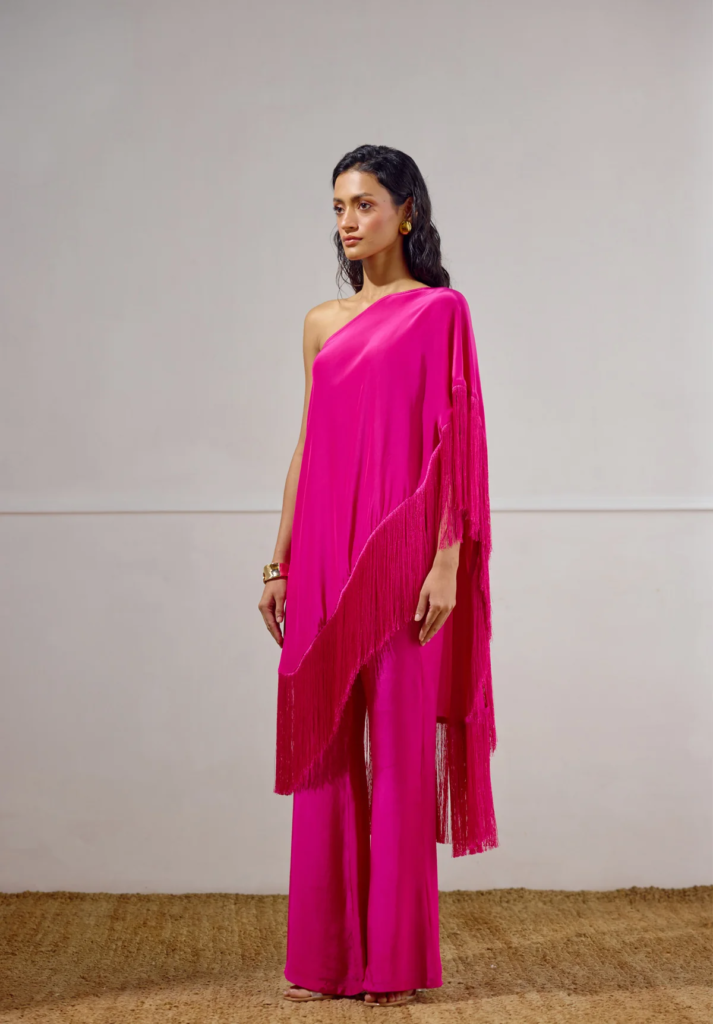
Color can completely change the feeling of an outfit.
Start by noticing the colors you already enjoy.
You might prefer:
- Black
- White
- Beige
- Navy
- Brown
- Pastel shades
- Bright colors
- Earthy tones
- Jewel tones
You don’t need to follow strict fashion rules about which colors you “must” wear.
Instead, try different combinations and notice what feels natural to you.
For example:
White + blue can create a fresh, simple look.
Beige + brown can feel warm and earthy.
Black + white creates a classic combination.
Denim + neutral shades can create an easy everyday outfit.
Fashion becomes more enjoyable when you experiment instead of worrying about getting everything perfect.
Build a Wardrobe Around Basics
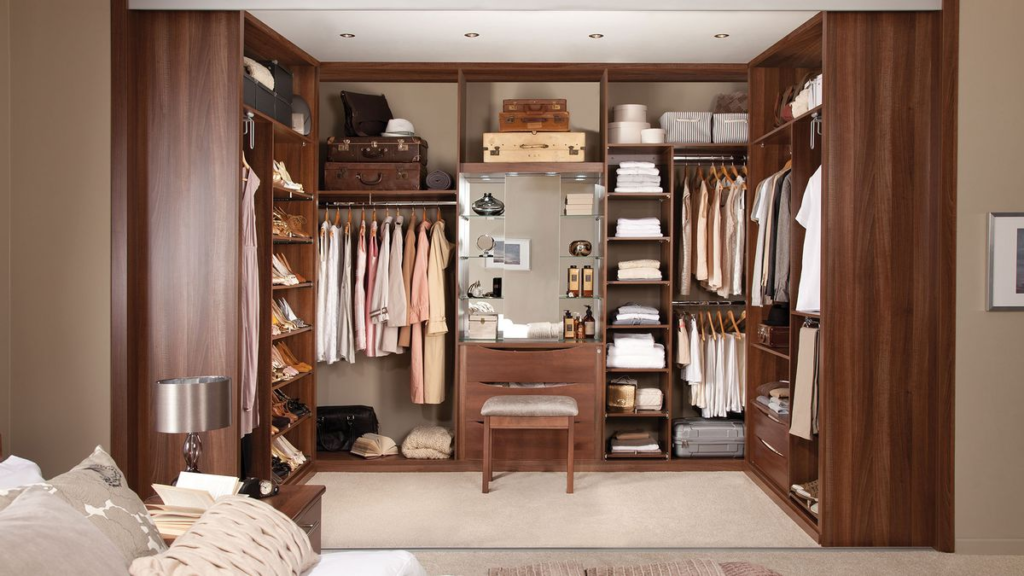
You don’t need a huge wardrobe to create different outfits.
Start with versatile pieces that can be mixed and matched.
Some useful basics may include:
- Well-fitting everyday tops
- Comfortable bottoms
- A versatile jacket or layer
- Simple footwear
- A few accessories
- One or two outfits for special occasions
The exact pieces depend on your lifestyle and preferences.
A simple wardrobe can actually make getting dressed easier because you have fewer things to decide between.
Learn to Mix and Match
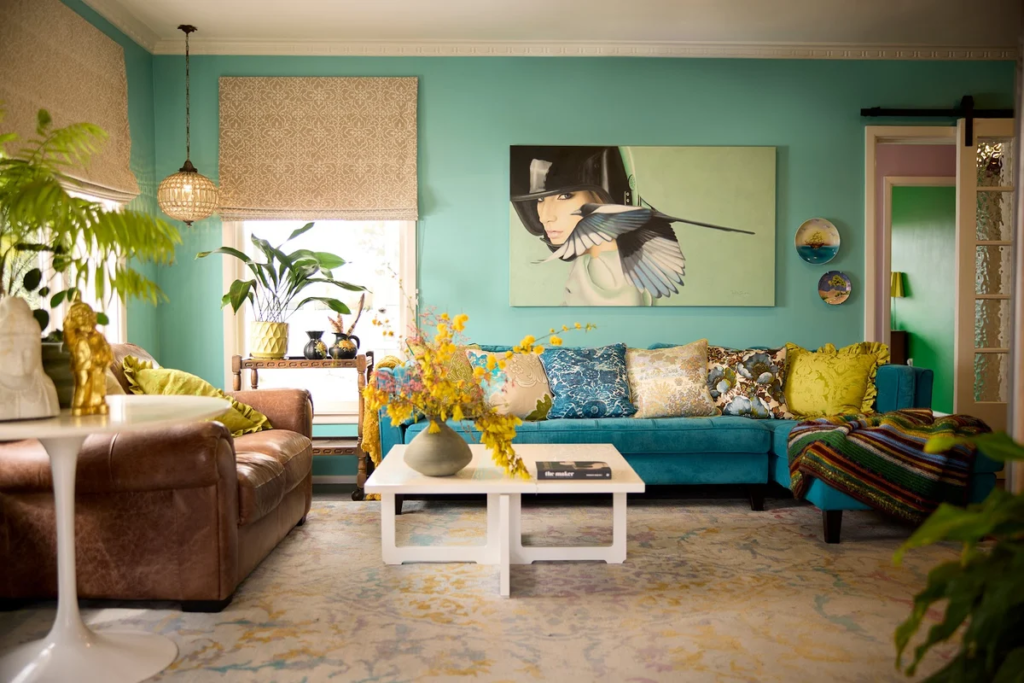
One of the easiest ways to improve your style without constantly shopping is learning how to combine the clothes you already own.
For example:
Basic top + jeans + sneakers = casual everyday outfit
Simple top + trousers + clean footwear = smart-casual outfit
Traditional piece + simple accessories = balanced festive look
You can experiment with different combinations.
Try changing only one element at a time. Maybe change the footwear, add a layer, or switch an accessory.
Small changes can make a familiar outfit feel completely different.
Pay Attention to Fit
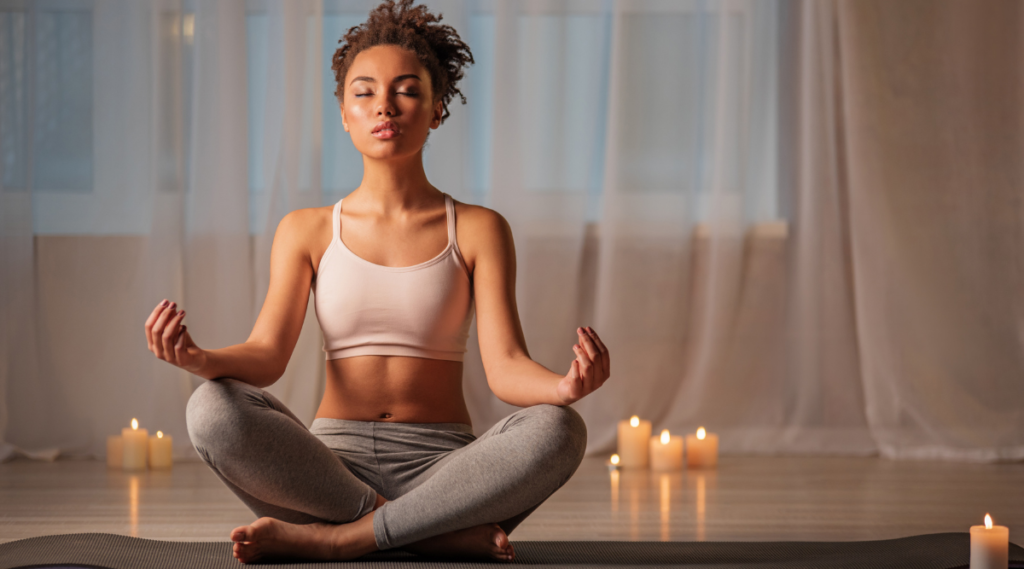
Fit can have a major effect on how clothing feels and looks.
The goal isn’t to fit into a particular body ideal. Clothing should fit your comfort, movement, and personal preference.
Some people enjoy relaxed clothing. Others prefer a more structured fit.
Try different cuts and sizes and notice what allows you to move comfortably and feel confident.
Don’t become obsessed with a particular size or label. Sizes can vary between brands, so comfort and fit matter more than the number on the tag.
Don’t Follow Every Fashion Trend
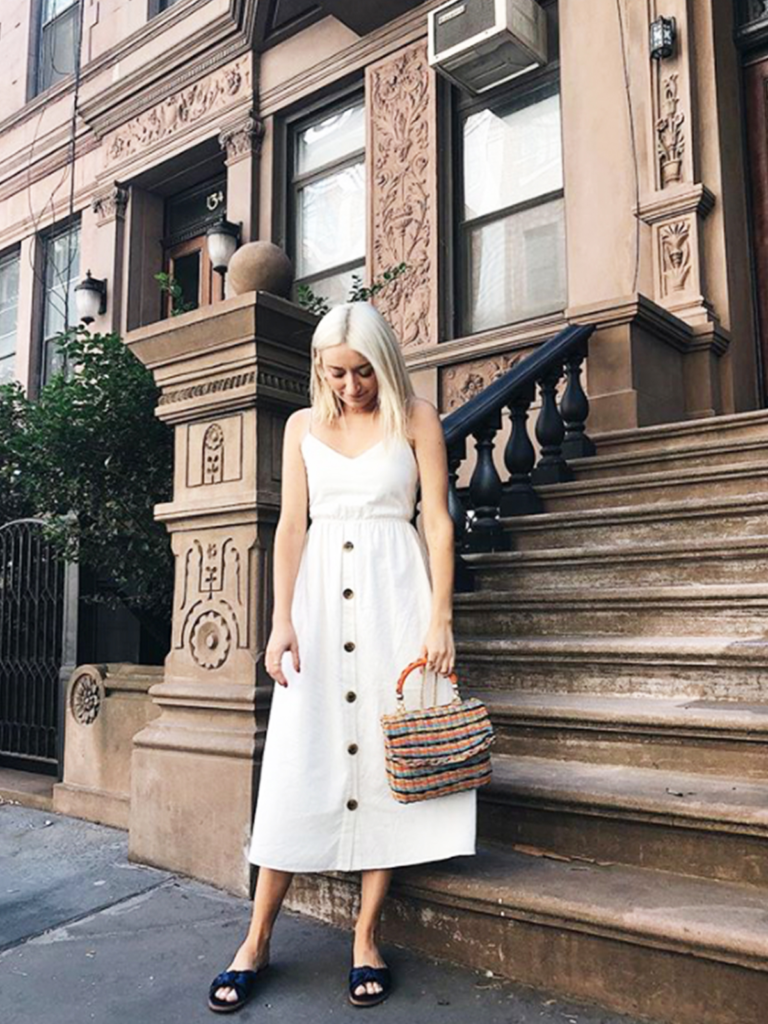
Trends can be fun, but you don’t have to follow every one.
A trend may look great on someone else and still not be your preference.
Before buying something trendy, ask:
“Do I genuinely like this, or do I just like seeing it everywhere?”
That’s an important difference.
If you love the trend, try it.
If you don’t, skip it.
Personal style becomes stronger when you choose trends selectively instead of letting trends choose for you.
Add Accessories Carefully
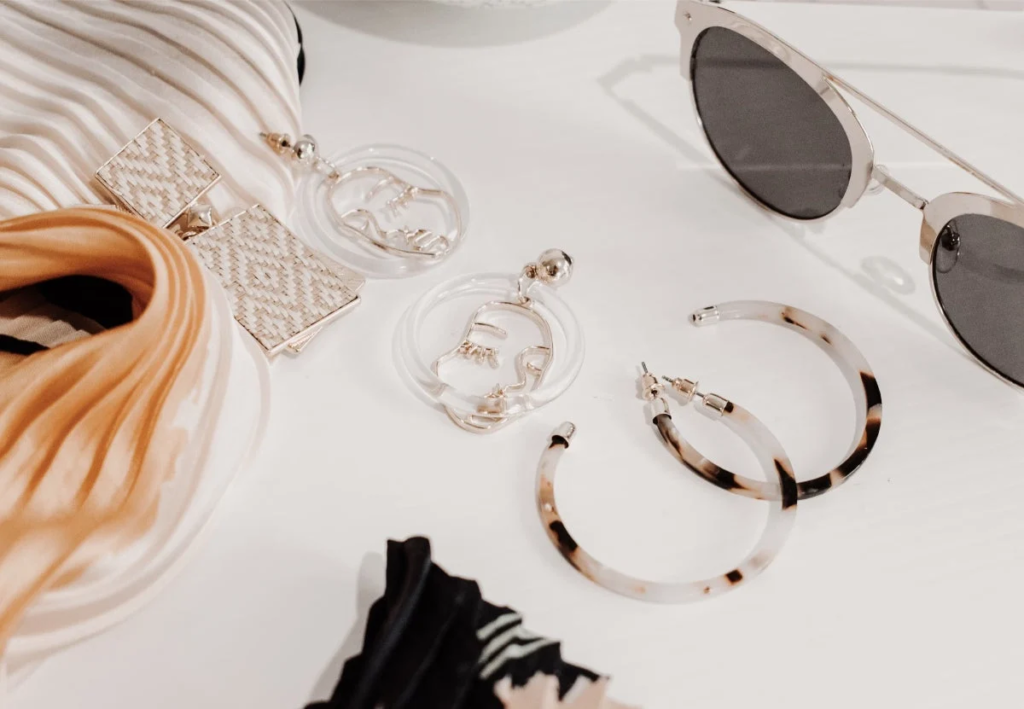
Accessories can give a simple outfit more personality.
Depending on your style, you might experiment with:
- Watches
- Bags
- Scarves
- Belts
- Simple jewelry
- Sunglasses
- Hair accessories
You don’t need many accessories.
Sometimes one thoughtful accessory is enough.
For example, a simple outfit with a favorite watch or bag can feel more complete without becoming complicated.
Create a Simple Style Formula

A style formula is basically a combination of clothing pieces that you know works for you.
For example:
Simple top + comfortable bottom + favorite footwear + one accessory
Once you discover a few formulas you enjoy, getting dressed becomes much easier.
You can then change the colors, fabrics, or accessories to create different versions.
This is especially useful on those mornings when you’re standing in front of your wardrobe thinking, “I have nothing to wear.”
You probably have clothes—you just need a few combinations that you already know work.
Avoid Buying Clothes Just Because They’re Cheap
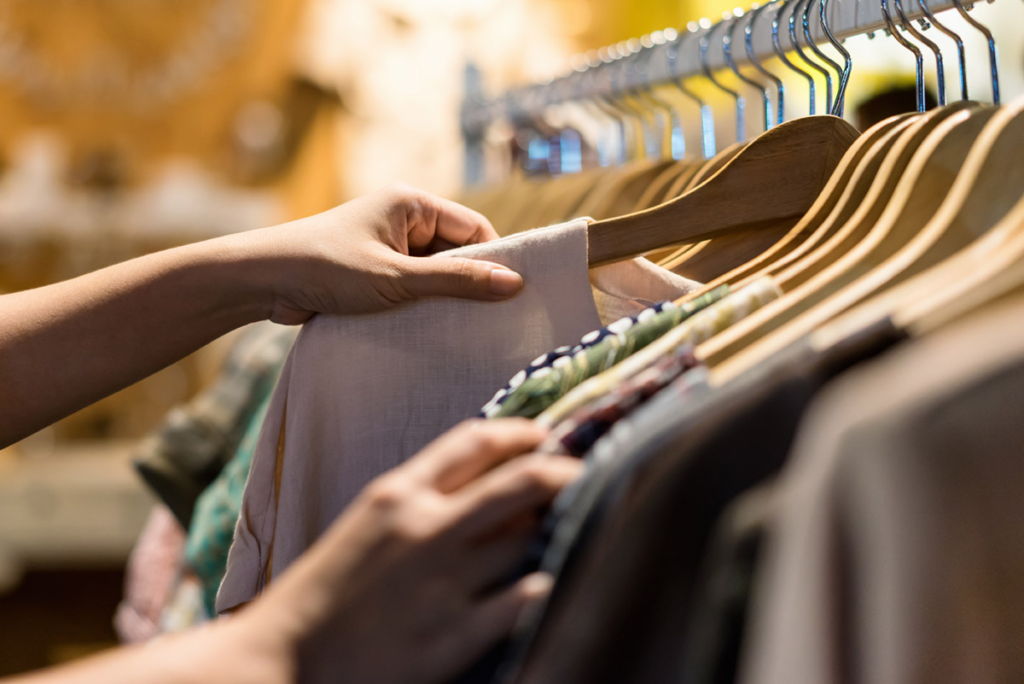
A low price doesn’t always mean good value.
If you buy something because it’s on sale but rarely wear it, you’ve still spent money on something that doesn’t add much to your wardrobe.
Before purchasing, ask:
- Will I actually wear this?
- Can I combine it with clothes I already own?
- Is it comfortable?
- Does it fit my lifestyle?
- Do I genuinely like it?
Buying less but choosing more thoughtfully can make your wardrobe simpler and more useful.
Take Care of Your Clothes

Personal style isn’t only about buying clothes.
Taking care of what you already have can make a big difference.
Simple habits include:
- Following washing instructions
- Storing clothes properly
- Folding or hanging items appropriately
- Repairing small issues when possible
- Keeping shoes clean
- Avoiding unnecessary over-washing
A well-maintained simple outfit can look much better than an expensive outfit that isn’t cared for.
Use Fashion to Express Your Personality
Your style can say something about you without you saying a word.
Maybe you’re drawn to simple and calm colors. Maybe you love playful patterns. Maybe traditional clothing is an important part of your wardrobe. Maybe you prefer sporty and practical outfits.
All of these choices are valid.
Fashion doesn’t need to impress everyone.
The most important person who should feel comfortable with your style is you.
Common Personal Style Mistakes
| Mistake | Better Approach |
|---|---|
| Copying someone completely | Take inspiration and make it your own |
| Following every trend | Choose trends you genuinely like |
| Buying too much | Build a useful wardrobe gradually |
| Ignoring comfort | Find a balance between comfort and style |
| Focusing only on brands | Focus on quality, fit, and usefulness |
| Buying clothes for one occasion only | Choose versatile pieces when possible |
| Comparing yourself with others | Develop your own preference |